


 Why financial hardship is more likely if you’re disabled or sick
  How to support someone who is grieving: five research-backed strategies
  Oil Prices Ease as Iran Tensions Clash With Diplomacy Hopes
  SpaceXAI to Double Nvidia Chips at Colossus 2 by Year-End
  Soybean Futures Slip as Traders Await Trump-Xi Trade Signals
  Glastonbury is as popular than ever, but complaints about the lineup reveal its generational challenge
  Why have so few atrocities ever been recognised as genocide?
  Trump Administration Bars U.S. Travelers From Congo Flights Amid Ebola Outbreak
  FDA Approves Mirum’s Atebrioz for Rare Bone Disorder FOP
  Jeff Bezos Invests $32 Billion in Blue Origin as Space Firm Targets Major Growth
  Fed Unveils Stablecoin Rules Under GENIUS Act
  AstraZeneca Halts Phase III Volrustomig Lung Cancer Trial After Efficacy Setback
  GSK Unveils $2.52 Billion Cost-Cutting Plan to Accelerate Drug Pipeline
  Booked to travel through the Middle East? Here’s why you shouldn’t cancel your flight
  France Keeps Top Health Alert as Officials Brace for Another Heatwave
  AMD Hits $1 Trillion as BofA Raises Price Target to $720


 Add as a preferred source on Google
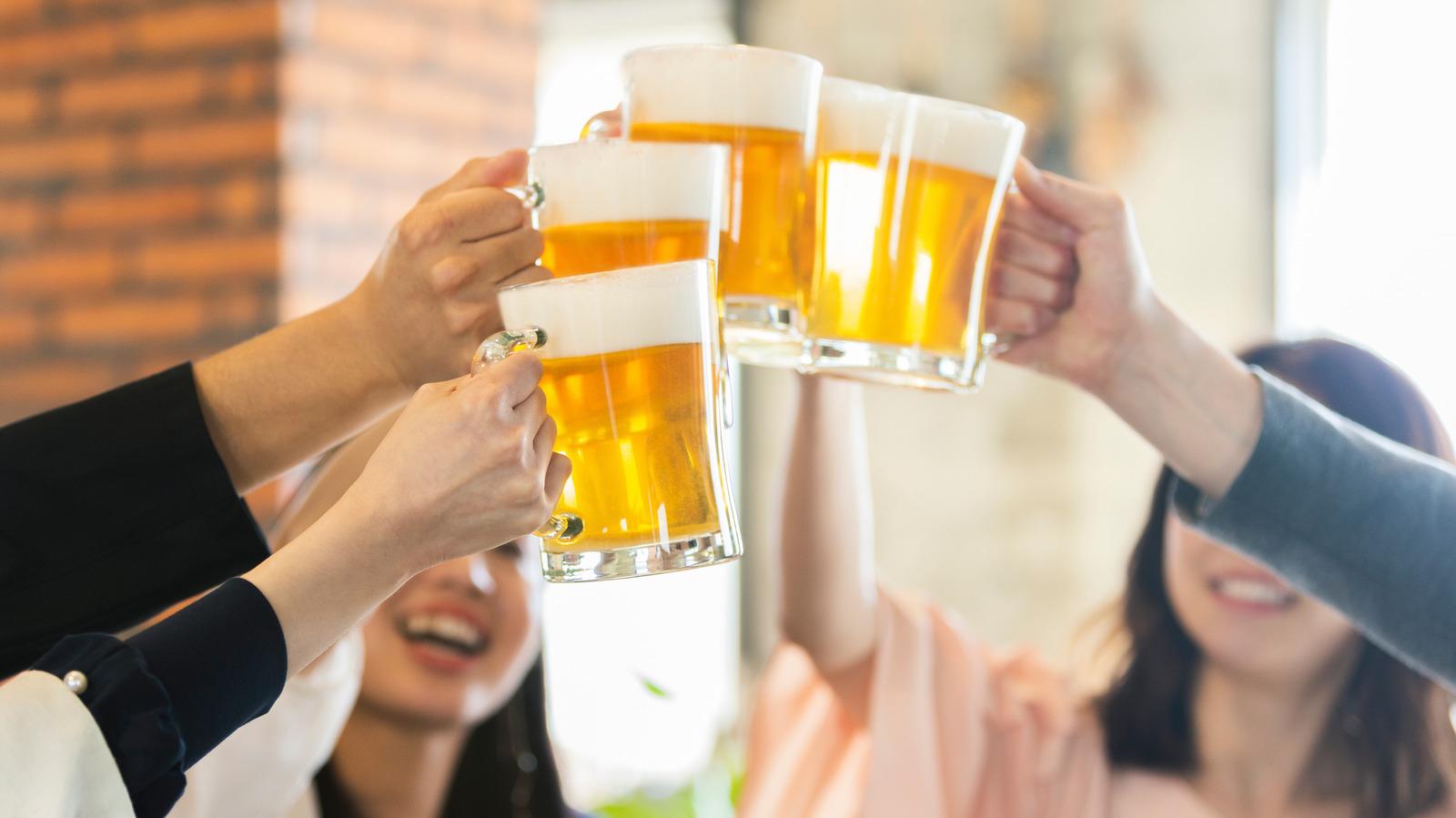
Japan’s National Tax Agency (NTA) is looking to 'rectify' the low alcohol intake of the country’s youth.
According to an independent study, young Japanese aren’t drinking enough alcohol anymore, with roughly half of them not having a daily drinking habit.
Alcoholic product sales are a rich source of taxes for the NTA, which opened up marketing ideas to the general public in their Sake Viva! contest.
Anyone between the ages of 20 and 39 can participate alone or in groups of two or three until September 9 to develop new sales strategies that appeal to young adults.
Among the ideas promoted by the NTA are home drinking and the use of the metaverse for sales.
The finalists will advance to the next round on November 10, and the NTA will implement the most highly rated idea soon.







