


 RBI Raises Repo Rate to 5.50% in Hawkish Shift on Inflation Risks
  UK House Prices Flat in September as Mortgage Rates Weigh
  Indian Stocks Fall as RBI Hikes Rates to 5.50%
  Iran Refuses to Halt Uranium Enrichment Amid US Nuclear Demands
  US-Led Coalition Targets Global Factory Overcapacity
  Asian Currencies Steady as Dollar Eyes Fourth Weekly Gain
  Deere, CNH and AGCO Stocks Fall as FTC Launches Farm Equipment Probe
  US Treasury Yields Ease After Strong 10-Year Auction as Global Bonds Struggle
  France to Release 10 Million Barrels of Diesel to Ease Fuel Prices
  Oil Prices Trim Gains After Trump Rules Out Iran Strikes Before Midterms
  Bangladesh GDP Growth Accelerates to 4.6% on Industrial Rebound
  Mike Rogers Calls for End to US-Canada Tariff War
  Wall Street Falls as Fed Minutes Signal Another Rate Hike
  Oil Prices Rise as Hormuz Risks Offset IEA Stock Release
  Asian Stocks Mixed as OpenAI Revenue Concerns Hit Chipmakers
  US, EU Push for Action Against Asia’s Excess Factory Capacity


 Add as a preferred source on Google
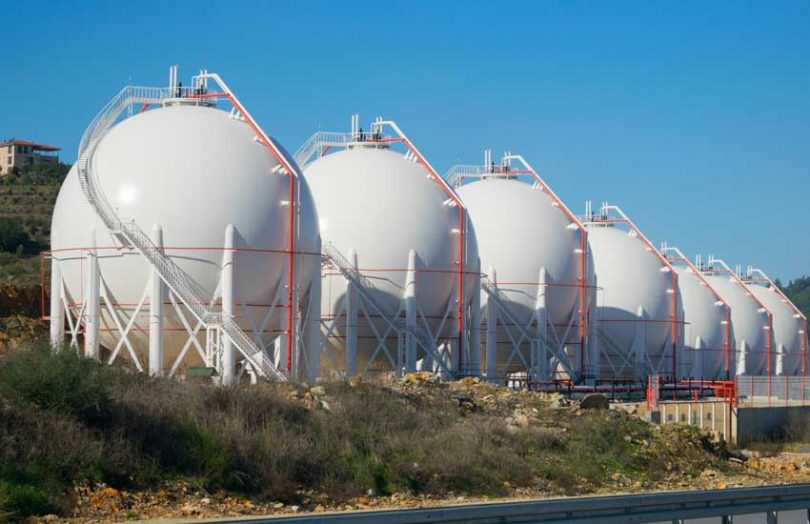
Japan will support Asian countries' liquefied natural gas (LNG) production for use in power generation in the hope of reducing procurement costs for the energy source.
The efforts to lower purchasing costs and ensure stable supply include broadening its LNG procurement sources to include India, Indonesia, Vietnam, the Philippines, Malaysia, Thailand, and Myanmar, which mostly have insufficient export infrastructures.
Australia, Qatar, and the US are currently Japan's main suppliers of LNG, which is less polluting than coal.
In 2019, Japan doubled its investment initiative to $20 billion to help Asian countries build LNG terminals, storage tanks, and other export facilities.
Japan expects greater production of LNG by countries in the region and diversification of suppliers with increased demand for the fuel.
If the seven Asian countries shift from coal-fired to gas-powered plants, it would create additional LNG demand of 166 million tons, more than double Japan's annual imports.
Japan, which relies on LNG for nearly 40 percent of power generation, is facing LNG stock depletion amid unseasonably cold weather this winter.
Since LNG is mostly traded under long-term contracts with prices linked to crude oil, it is difficult to procure LNG at prices based on supply and demand conditions.
Thus, Japan hopes that having more LNG producers and buyers would establish an LNG market with flexible pricing.
Japan's imports of LNG rose sharply in the absence of nuclear power generation following the Fukushima Daiichi nuclear crisis, triggered by the devastating earthquake and tsunami in the northeast of the country in March 2011.







