


 US Immigration Arrests Surge as Deportations Lag Behind
  United Russia Leads Russia Election as Ukraine Drones Hit Moscow
  US-China Talks Target AI, Tariffs Ahead of Trump-Xi Summit
  Canada Unveils Bill to Fast-Track Major Resource Projects
  US Judge Dismisses Imran Ahmed Deportation Lawsuit
  CNN, MS NOW and Politico Sue Trump Over White House Media Ban
  Trump Administration Prepares Sanctions Against Entire ICC
  FDA Names Permanent Drug and Biologics Center Chiefs
  US, Denmark and Greenland Set to Sign Arctic Security Deal
  Trump, Iran Trade Threats as Middle East Tensions Escalate
  UK, Mauritius Seek Diego Garcia Base Deal
  US Northeast Airports Resume Operations After Telecom Outage Disrupts Thousands of Flights
  Paramount-Warner Bros $110 Billion Deal Draws Antitrust Backlash
  Lula Meets Mamdani in New York as Elections Approach
  Trump Grants Clemency to Jay-Z Associate Emory Jones
  Trump Sets High-Stakes UN Meetings With Zelenskiy, Gulf Leaders


 Add as a preferred source on Google
A 76-year-old Japanese fisherman, Hitoshi Nakama, has long seen himself as a frontline defender of Japan’s claims over the disputed Senkaku Islands in the East China Sea. For years, Nakama and other fishermen regularly sailed into the waters around the uninhabited islands—known as Diaoyu in China—both to fish and to symbolically assert Japan’s territorial control. However, since late last year, Japanese officials have quietly urged fishermen to avoid the area, signaling a notable shift in Tokyo’s approach amid rising tensions with Beijing.
According to Nakama and others familiar with the matter, the requests came as relations between Japan and China deteriorated following comments by Prime Minister Sanae Takaichi on a potential Chinese attack on Taiwan. The islands, administered by Japan but claimed by China and Taiwan, have long been a flashpoint, and Japanese authorities now appear increasingly concerned that even minor maritime incidents could escalate into a broader diplomatic or military confrontation. While Japan’s foreign ministry reiterated that the Senkaku Islands are an inherent part of Japanese territory, it declined to comment on specific requests made to fishermen.
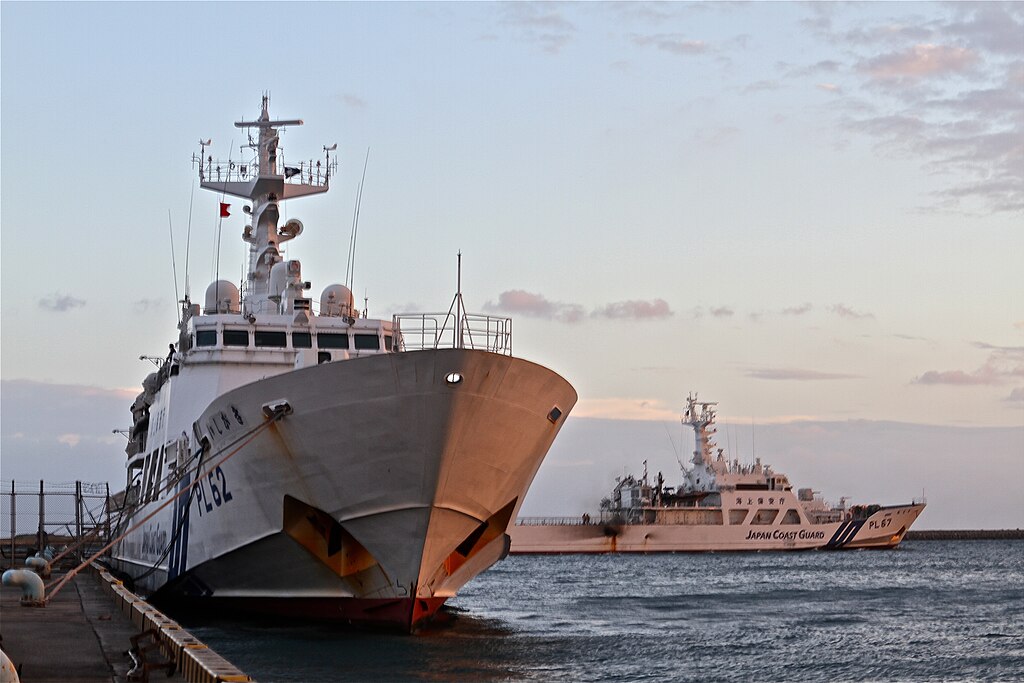
The situation presents a strategic dilemma for Japan. Fishing activity helps demonstrate effective control over the islands, yet it also risks confrontations with Chinese coast guard vessels, which have increased their presence in the area. Chinese officials accuse Japanese nationalists of using fishing as a pretext to provoke trouble, while the United States has warned against unilateral actions that could change the status quo in the East China Sea. Any clash could potentially draw Washington into the dispute under its security treaty with Japan.
Despite official caution, fishermen like Nakama remain determined. The waters around the islands are rich in fish such as red snapper, providing a significant source of income. Supporters argue that a complete withdrawal could embolden China to assert its claims more aggressively. With Chinese coast guard ships reportedly present near the islands on a record number of days last year, the balance between economic activity, national sovereignty, and regional stability remains fragile—and fishermen continue to find themselves at the center of a high-stakes geopolitical contest.







