


 Synthetic data could ease people’s concerns about privacy breaches. But who gets to create it?
  FDA Weighs Safety Standards for Psychedelic Therapies
  US Northeast Airports Resume Operations After Telecom Outage Disrupts Thousands of Flights
  Netanyahu Takes Aim at Mamdani as Israel Election Nears
  DOJ Will Investigate AI-Related Crimes, Attorney General Blanche Says
  U.S. Imposes New Visa Restrictions Over South Africa Policies
  Judge Orders Trump to Restore White House Access for CNN, MS NOW and Politico
  China Tightens Fentanyl Rules Ahead of Trump-Xi Summit
  US Immigration Arrests Surge as Deportations Lag Behind
  France Defends Netanyahu Airspace Clearance Despite ICC Warrant
  Canada Unveils Bill to Fast-Track Major Resource Projects
  Abbas Reaffirms November 28 Palestinian Elections
  Trump Asks Supreme Court to Restore Third-Country Deportations
  US Resumes Immigrant Visa Processing for Hungary, Poland
  Ghana Says Western Support Growing for Slave Trade Reparations
  US Backs Musk in Fight Against EU’s €120 Million X Fine
  Pentagon Restarts Testosterone Testing for US Troops


 Add as a preferred source on Google
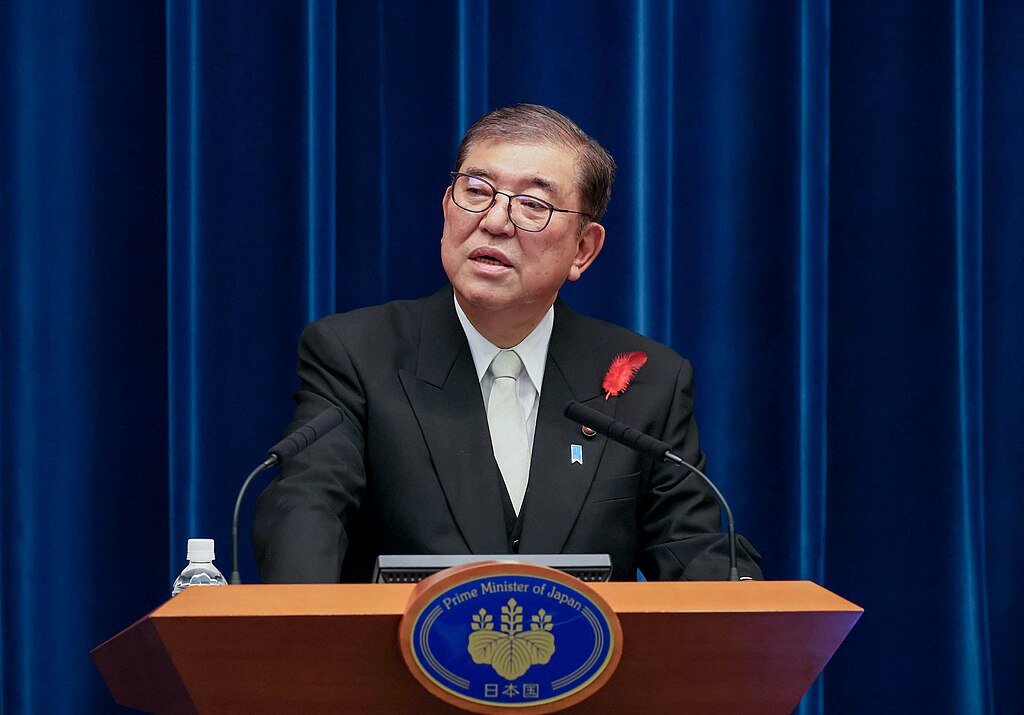
Japanese Prime Minister Shigeru Ishiba announced on Friday a new emergency economic package aimed at cushioning households and industries from the effects of recent U.S. import tariffs. The relief plan, outlined in a government document, includes fuel subsidies, electricity bill support, and expanded corporate financing.
Key measures include a 10-yen ($0.07) per liter subsidy on gasoline and partial coverage of electricity bills for three months starting July. To support small and medium-sized enterprises (SMEs), which are especially vulnerable to global economic shifts, the government will expand eligibility for low-interest loans from state-backed financial institutions.
“I’ve directed cabinet members to prioritize assistance for firms and families concerned about the impact of tariffs,” said Ishiba during a tariff task force meeting. He emphasized that industries such as automotive and steel—which are critical to Japan’s economic growth—could be severely affected.
Economy Minister Ryosei Akazawa noted that the stimulus could be financed through an existing reserve fund, avoiding the need for a supplementary budget. He added that Japan is prepared to roll out further measures to boost domestic consumption if the situation worsens.
The move comes after U.S. President Donald Trump implemented a 25% tariff on car and truck imports on April 2, followed by a 24% tariff on all Japanese goods, which was later reduced to 10% for a 90-day period. Akazawa, who also serves as Japan’s chief trade negotiator, is scheduled to visit Washington next week for a second round of trade talks.
According to the Nikkei, Japan may increase U.S. soybean imports as part of ongoing negotiations, signaling a willingness to make concessions to ease tensions and protect its key industries.







