


 Asian Currencies Mixed as Dollar Holds Near Two-Month High
  Taiwan Thanks US for Support Ahead of Trump-Xi Summit
  RBI Uses $10 Billion Currency Swaps to Drain Excess Rupee Liquidity
  US Backs Musk in Fight Against EU’s €120 Million X Fine
  Trump, Xi Visit US National Archives After White House Summit
  China’s ‘Lipstick King’ Says AI Won’t Replace Livestream Hosts
  Netanyahu’s Brief US Trip Highlights Strains With Trump
  Australia Unemployment Hits Five-Year High Despite Strong Jobs Growth
  NATO Boosts Intelligence Sharing Amid Russia Hybrid Threats
  South Korea, US Discuss Warship Building Cooperation
  U.S. 10-Year Treasury Yield Hits 2007 High as Fed Rate Hike Bets Rise
  EU Defence Build-Up Too Slow for 2030 Russia Readiness Goal
  Xi Calls for Deeper U.S.-China AI Cooperation in Trump Talks
  Pezeshkian Says US Must Choose When Iran War Ends
  Oil Prices Surge as U.S.-Iran Diplomacy Hopes Fade
  Saudi Arabia, Turkey and Pakistan Plan Urgent Defence Talks Over Houthi Attacks
  Ghana Says Western Support Growing for Slave Trade Reparations


 Add as a preferred source on Google
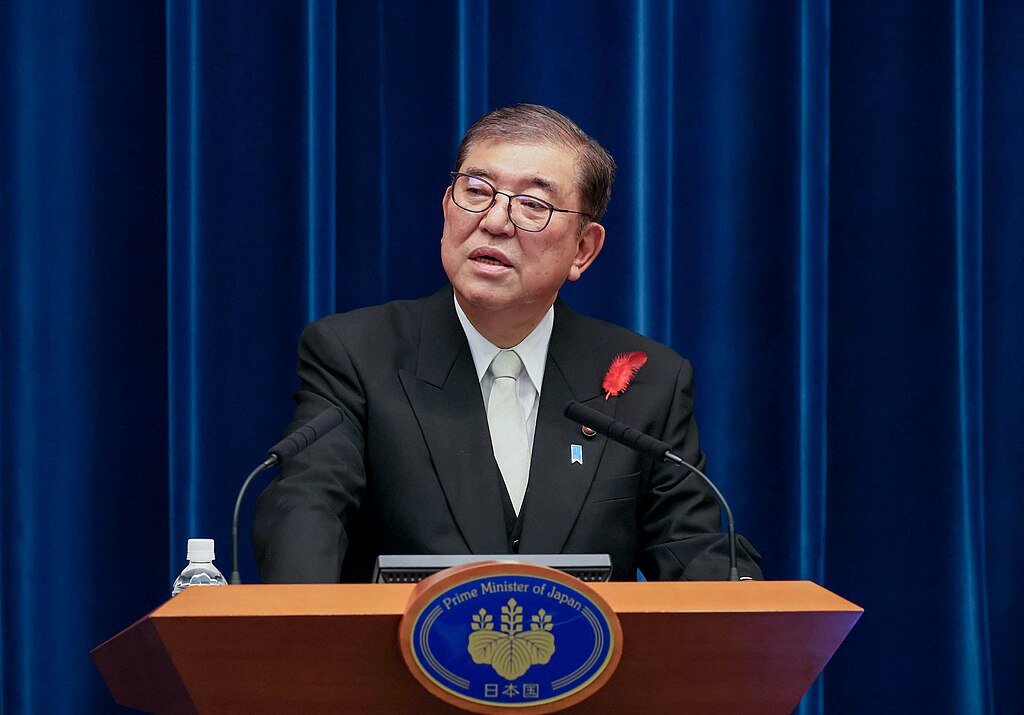
Japanese Prime Minister Shigeru Ishiba ruled out debt-funded tax cuts ahead of July’s upper house elections, citing fiscal risks and rising interest rates. Speaking to parliament on Monday, Ishiba warned that Japan’s deteriorating fiscal health, coupled with increasing borrowing costs, makes further debt issuance untenable.
“Interest rates are turning positive, and Japan’s fiscal condition is fragile,” Ishiba said. “While tax revenues are up, rising social welfare costs leave little room for fiscal expansion.”
With food inflation dampening consumer spending and U.S. tariffs threatening exports, pressure has mounted from both ruling and opposition parties to stimulate the economy by cutting the consumption tax, currently at 10%.
Finance Minister Katsunobu Kato echoed Ishiba’s caution, warning that excessive borrowing could erode investor confidence. “Losing market trust could drive up interest rates, weaken the yen, and trigger inflation,” he said.
Japan’s economic outlook remains uncertain. The country’s GDP shrank 0.7% annualized in the January-March quarter, marking the first contraction in a year. This fragile recovery faces further headwinds from global trade tensions and domestic price pressures.
Following the end of a decade-long monetary easing cycle, the Bank of Japan (BOJ) raised short-term rates to 0.5% in January and signaled more hikes if inflation holds near its 2% target. The BOJ, which owns about half of all Japanese government bonds (JGBs), is also tapering bond purchases—likely pushing up yields and increasing debt servicing costs.
Yields on long-term JGBs have already climbed since April, reflecting market concerns about Japan’s fiscal trajectory. As the BOJ tightens policy and economic challenges persist, Ishiba’s stance suggests a commitment to fiscal discipline over populist stimulus.







