


 Yemen Launches Major Offensive to Retake Houthi-Held Areas
  Trump Gaza Peace Plan Stalls as Israel Retains Control
  US DOT Ends Airline Privacy Review Without Enforcement
  Trump Orders Firing Squad Execution for Fort Hood Gunman
  India-US Trade Deal Talks Hit Plateau, Sitharaman Says
  New York Declares Measles Disaster Emergency as Cases Surge
  Takaichi Pledges to Control Japan Bond Issuance
  France Student Protests Intensify Nationwide
  US Caribbean Vessel Strike Kills Four
  Cuba Says US Contacts Continue but Formal Talks Remain Stalled
  Ukraine to Intensify Strikes on Russian Oil Refineries
  Ukraine Faces $56 Billion Budget Gap as War Costs Soar
  Ethiopia-Tigray Fighting Intensifies as Airstrikes Kill 17
  Flavio Bolsonaro, Lula Head to Brazil Presidential Runoff
  Becton Dickinson to Invest $3 Billion in U.S. Medical Manufacturing
  Russian Bombs Kill Six, Injure Nearly 60 in Kharkiv
  California Woman Arrested Over Alleged Spying on Taiwan President’s Son


 Add as a preferred source on Google
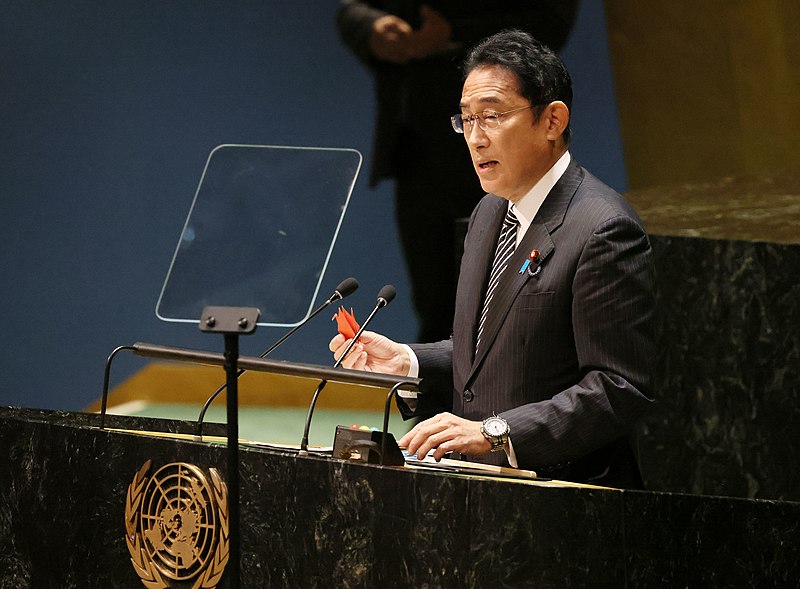
Japanese Prime Minister Fumio Kishida Wednesday sought to address further the scrutiny that he and the ruling Liberal Democratic Party are in following the assassination of Kishida’s predecessor Shinzo Abe. Kishida apologized for the ruling party’s links to the controversial Unification Church, pledging to win back the public’s trust.
In his first in-person conference after going into quarantine for COVID-19, Kishida said politicians have a responsibility to be mindful of their ties with organizations deemed “problematic.”
As members of Kishida’s cabinet pledged to review their own connection to the Unification Church, Kishida said the LDP would move to make it a “party policy” to end such ties and increase compliance with the policy.
“There are still many people who are concerned and suspicious of strong ties…due to a number of media reports on the matter,” said Kishida. “For this, I offer my sincere apologies as the president of the LDP.”
In recent weeks, Kishida and the LDP have come under increasing scrutiny for their ties to the controversial religious organization. The scrutiny followed the assassination of Abe back in July, with the suspected assassin bearing a grudge against the church, of whom his mother was a member.
The assassin alleged that the church led his mother to suffer financial problems and blamed Abe for promoting the church.
In August, Kishida reshuffled his cabinet, dismissing those with ties to the church. However, the efforts resulted in 47 percent support for the cabinet, down 10 points from the rating back in July.
There is also growing opposition toward the planned taxpayer-funded state funeral for Abe that is expected to take place on September 27. However, Kishida defended the event, citing Abe’s credibility both locally and internationally.
Tokyo said Wednesday that it will be developing and mass producing a cruise missile and high-velocity ballistic missile. The plan to develop such missiles comes as Japan is looking to develop the capability to strike more distant targets as part of its military expansion aimed at countering potential threats from Russia and China.
The plan was unveiled in the annual budget proposal of Japan’s defense ministry. This marks a shift from the country’s range limit that was imposed on the constitutionally constrained Self Defense Forces.
“China continues to threaten to use force to unilaterally change the status quo and is deepening its alliance with Russia,” said the ministry in its budget request, also citing China’s pressure campaign on Taiwan.







