


 Japanese Bank Stocks Surge as Bond Yields Fuel Rate Hike Bets
  Gold Prices Fall as Treasury Yields Rise on Fed Rate Hike Bets
  Canadian Dollar Faces Pressure as Fed-BoC Policy Gap Widens
  Oil Prices Jump 3% as Houthi Attack Revives Supply Fears
  Australia Unemployment Hits Five-Year High Despite Strong Jobs Growth
  Gold Holds Near $4,275 as Rising Treasury Yields Fuel Fed Rate Hike Bets
  Wall Street Ends Flat as Oil, Treasury Yields and Fed Jitters Rattle Markets
  U.S. Dollar Hits Two-Month High as Oil, Treasury Yields Surge
  US Comfortable With Canada Trade Standoff as Import Bans Loom
  US Stock Futures Fall as Treasury Yields Surge Ahead of Trump-Xi Summit
  Asian Currencies Mixed as Dollar Holds Near Two-Month High
  U.S. Treasury Yields Surge as 30-Year Hits 22-Year High
  Soybean Futures Slip as Traders Await Trump-Xi Trade Signals
  Fed’s Hammack Says Bond Yield Surge Is Not Driven by Inflation Fears
  European Stocks Fall as Bond Yields and Geopolitical Risks Weigh
  Japan Private-Sector Growth Slows as Domestic Demand Weakens
  Oil Prices Fall on U.S.-Iran Hormuz Deal Hopes


 Add as a preferred source on Google
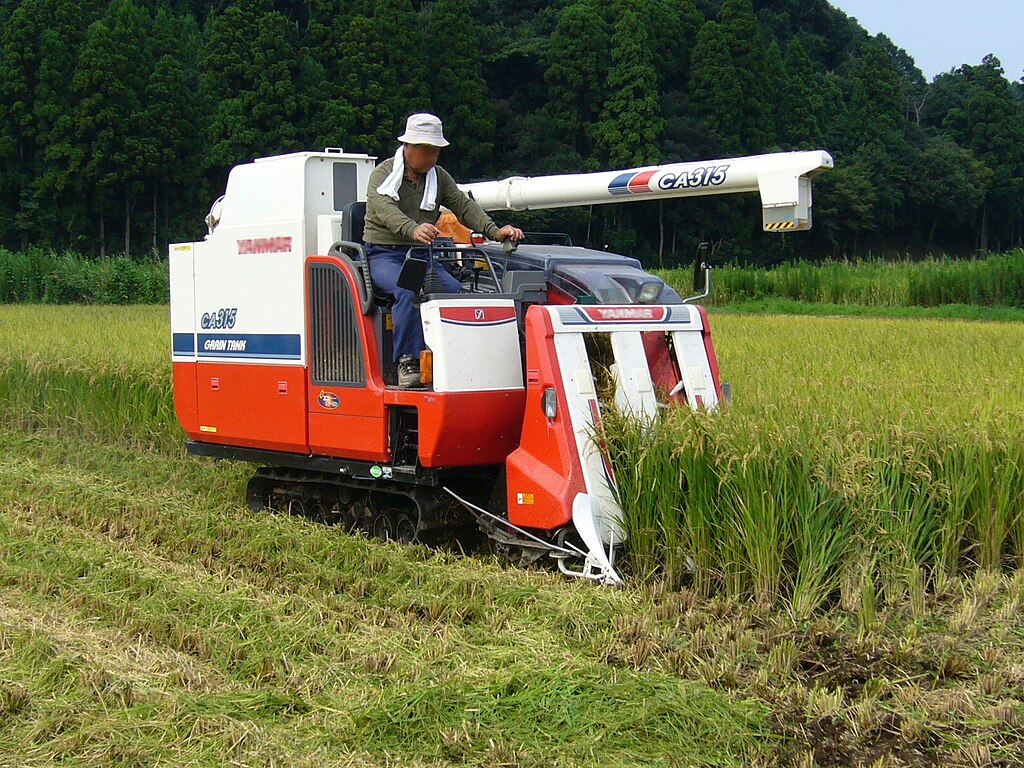
At a farmer’s market near Tokyo, over a hundred shoppers queued for a chance to scoop up a kilo of rice for just 500 yen ($3.32), around 40% cheaper than the average retail price. The event, while promotional, highlights Japan’s growing struggle with inflation that continues to outpace wage growth for the third straight year.
Consumers like 28-year-old Tasuku Uchida say rising prices are hitting hard, with basic grocery costs escalating even without extra purchases. “When I see my receipt, I realize how far prices have risen,” he said, urging the government to take swift action.
Prime Minister Sanae Takaichi, who took office on October 21 with an approval rating above 60%, now faces the challenge of tackling soaring rice prices. Her administration plans to announce an economic package by month’s end, with ideas such as rice coupons for select households being considered.
Rice prices began surging last year due to supply shortages and extreme weather, briefly stabilizing after the government released emergency stockpiles. However, prices have again climbed close to record highs, with supermarket prices averaging 4,235 yen per 5-kg bag in late October — up 23% year-on-year. Wholesale prices for September rose 36% from August to 36,895 yen per 60 kg.
Wholesalers cite fears of another shortage, while consumers turn to imported rice despite Japan’s 341 yen-per-kilo levy. Imports by private companies surged 160-fold in September, underscoring growing reliance on cheaper foreign grain.
Experts say prices are unlikely to drop before March. Analysts like Takahide Kiuchi of Nomura Research Institute believe government policy now leans toward supporting farmers rather than consumers, potentially keeping prices near 4,000 yen.
Even farmers admit the market has overheated. “It’s too expensive,” said Ibaraki farmer Yasuji Oshima. Yet he warned that returning to pre-2024 prices could devastate farm profits, urging policies that ensure Japan’s agricultural sustainability for decades to come.







