


 U.S. 10-Year Treasury Yield Hits 2007 High as Fed Rate Hike Bets Rise
  US Dollar Hits Two-Month High as Fed Rate Hike Bets Rise
  Asian Currencies Mixed as Dollar Holds Near Two-Month High
  RBI Uses $10 Billion Currency Swaps to Drain Excess Rupee Liquidity
  Gold Prices Fall as Treasury Yields Rise on Fed Rate Hike Bets
  European Stocks Fall as Bond Yields and Geopolitical Risks Weigh
  South Korea, US Discuss Warship Building Cooperation
  Fed Unveils Stablecoin Rules Under GENIUS Act
  Soybean Futures Slip as Traders Await Trump-Xi Trade Signals
  Oil Prices Surge as U.S.-Iran Diplomacy Hopes Fade
  Asian Stocks Fall as Bond Yields Surge Ahead of Trump-Xi Summit
  Trump, Xi Focus on Trade and AI at White House Summit
  U.S. Dollar Hits Two-Month High as Oil, Treasury Yields Surge
  Oil Prices Ease as Iran Tensions Clash With Diplomacy Hopes
  Japan Private-Sector Growth Slows as Domestic Demand Weakens
  US Stock Futures Fall as Treasury Yields Surge Ahead of Trump-Xi Summit


 Add as a preferred source on Google
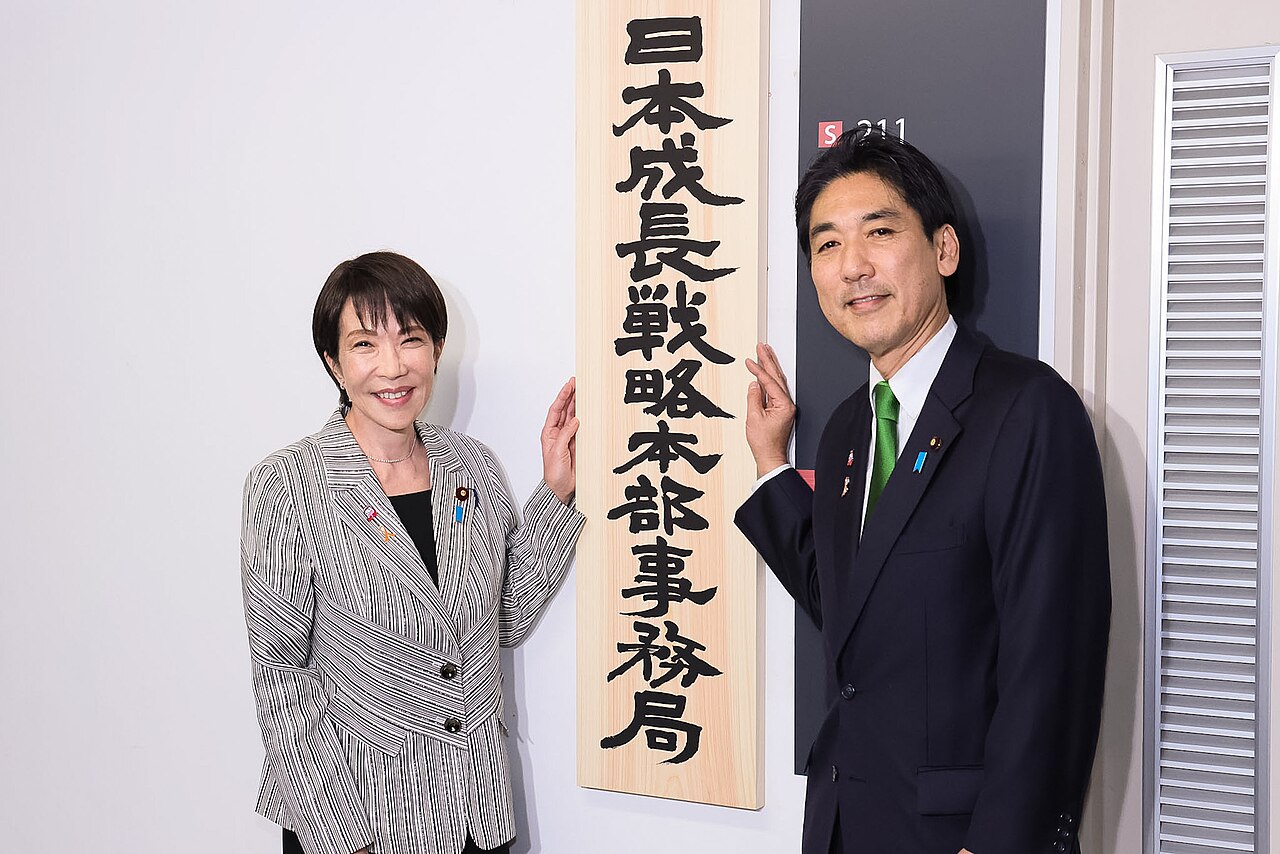
Japan’s government is considering measures to encourage pension funds, including the Government Pension Investment Fund (GPIF), to significantly increase their investments in domestic financial assets, Finance Minister Satsuki Katayama said on Thursday.
Speaking at a regular press conference, Katayama said the government aims to explore policies that would motivate GPIF and other pension funds to allocate more capital to Japanese assets. The comments come as investors closely monitor the country’s financial markets amid rising concerns over fiscal policy and monetary policy independence.
Market anxiety has intensified in recent weeks as expansionary government spending plans and fears of political influence over the Bank of Japan (BOJ) triggered a selloff in Japanese government bonds (JGBs), sending bond yields to multi-decade highs.
Seeking to calm those concerns, Economy Minister Minoru Kiuchi said on Friday that the government would not interfere with the BOJ’s decisions on interest rates or monetary policy.
“There has been no change to the government’s position that specific monetary policy measures are for the BOJ to determine,” Kiuchi told reporters, emphasizing that the administration would never communicate its preferred timing or direction for interest rate changes in advance.
The reassurance follows criticism of a draft economic policy blueprint released by Prime Minister Sanae Takaichi’s administration. The document stated that monetary policy should be managed to support a stronger economy and referenced a legal provision requiring the BOJ to coordinate with the government’s economic agenda. However, it did not mention the central bank’s legal independence, raising concerns among investors about potential political pressure to delay future interest rate hikes.
Kiuchi said the government is revising the draft to address those concerns, with the finalized economic blueprint expected to receive cabinet approval as early as next week.
GPIF, one of the world’s largest pension funds, managed approximately 293.4 trillion yen ($1.81 trillion) in assets as of the end of December. Its portfolio is broadly divided among domestic equities, foreign equities, domestic bonds and foreign bonds. Given its enormous scale, even modest changes in GPIF’s investment strategy can have a significant impact on Japan’s stock, bond and currency markets, as well as global financial markets.







