


 Oracle Plans $45–$50 Billion Funding Push in 2026 to Expand Cloud and AI Infrastructure
  Google Cloud and Liberty Global Forge Strategic AI Partnership to Transform European Telecom Services
  Trump Endorses Japan’s Sanae Takaichi Ahead of Crucial Election Amid Market and China Tensions
  SpaceX Seeks FCC Approval for Massive Solar-Powered Satellite Network to Support AI Data Centers
  RBI Holds Repo Rate at 5.25% as India’s Growth Outlook Strengthens After U.S. Trade Deal
  Japanese Pharmaceutical Stocks Slide as TrumpRx.gov Launch Sparks Market Concerns
  Trump’s Inflation Claims Clash With Voters’ Cost-of-Living Reality
  Trump Backs Nexstar–Tegna Merger Amid Shifting U.S. Media Landscape
  Trump Allegedly Sought Airport, Penn Station Renaming in Exchange for Hudson River Tunnel Funding
  Baidu Approves $5 Billion Share Buyback and Plans First-Ever Dividend in 2026
  Sam Altman Reaffirms OpenAI’s Long-Term Commitment to NVIDIA Amid Chip Report
  Japan Economy Poised for Q4 2025 Growth as Investment and Consumption Hold Firm
  Trump Signs Executive Order Threatening 25% Tariffs on Countries Trading With Iran
  Nighttime Shelling Causes Serious Damage in Russia’s Belgorod Region Near Ukraine Border
  Nvidia CEO Jensen Huang Says AI Investment Boom Is Just Beginning as NVDA Shares Surge
  Pentagon Ends Military Education Programs With Harvard University
  Nvidia Nears $20 Billion OpenAI Investment as AI Funding Race Intensifies


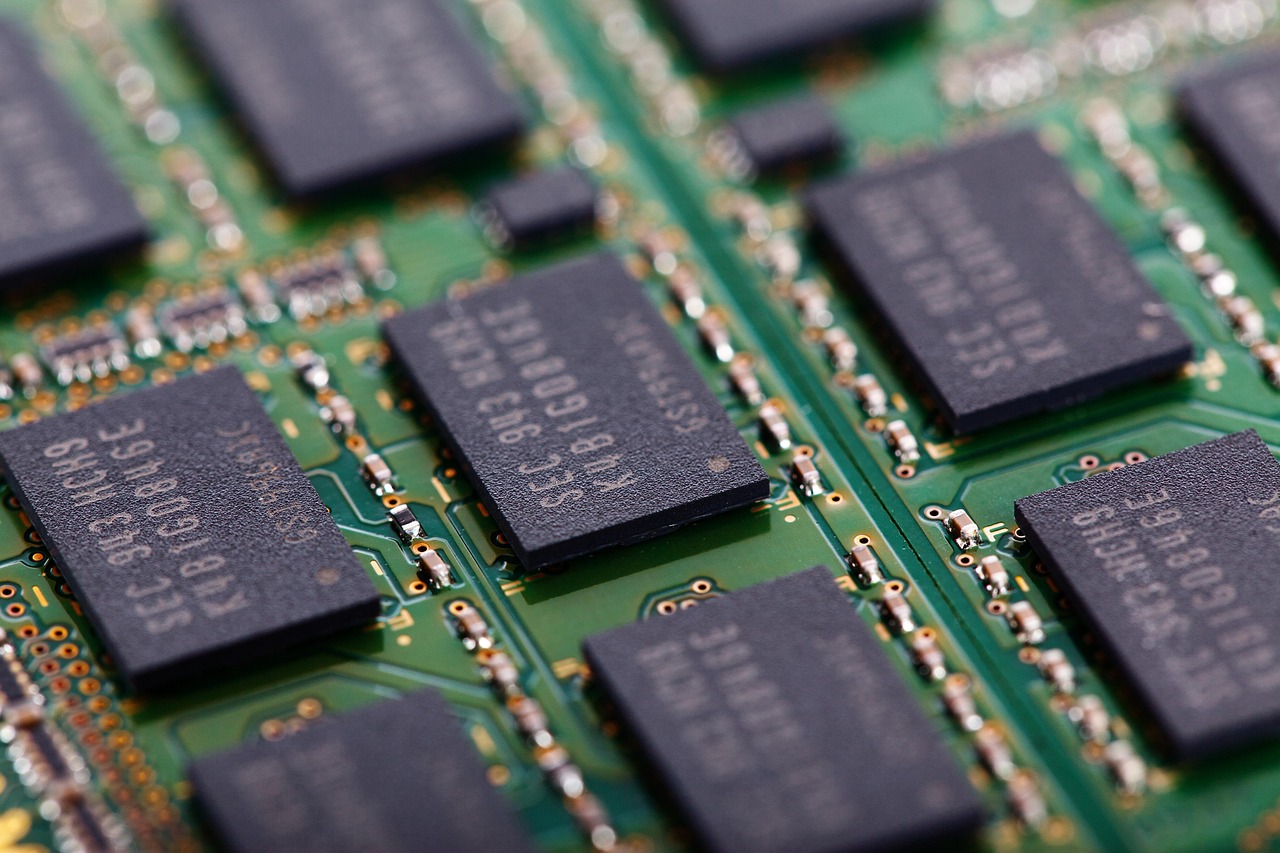
Japan is considering a major move to reduce its trade imbalance with the United States by purchasing up to 1 trillion yen ($6.94 billion) worth of American-made semiconductors, according to a report by Asahi newspaper. The initiative is part of ongoing tariff negotiations between the two nations, with Japanese officials aiming to ease U.S. concerns over the nearly 10 trillion yen trade deficit.
The plan, still under discussion, involves subsidizing domestic Japanese companies to buy U.S. semiconductor products, notably from leading tech firms such as Nvidia (NASDAQ:NVDA). The effort highlights Japan’s strategic push to align more closely with American trade interests while strengthening its own high-tech industry amid growing global chip demand.
The proposal comes as part of broader economic talks and is seen as a gesture of goodwill toward the Biden administration, which has maintained a firm stance on tariffs since taking office. Japan’s Economic Revitalization Minister Ryosei Akazawa, who is leading the tariff negotiations, is scheduled to visit the United States around May 30 for the fourth round of discussions. The talks are expected to cover trade imbalances, supply chain resilience, and tech sector cooperation.
Analysts say the move could not only narrow the trade gap but also secure more favorable terms in future U.S.-Japan economic agreements. Japan’s potential commitment to U.S. chip imports aligns with Washington’s broader strategy to secure global semiconductor supply chains and support its domestic chip industry through international collaboration.
By targeting semiconductor imports, Japan aims to both satisfy U.S. trade demands and ensure domestic industries remain competitive in the rapidly evolving tech landscape. The proposal, if finalized, would mark one of the largest Japanese tech import pledges in recent years.













