


 OpenAI Launches GPT-6 Astra With Advanced AI Agent Capabilities
  US Oil Blockade Deepens Iran’s Economic Crisis
  Iran’s Hormuz Oil Pressure Fades as Gulf Crude Flows Continue
  Shein Shares Drop 5% After Weak Hong Kong IPO Debut
  Audi, SAIC Launch China Innovation Hub for New AUDI Models
  CATL Shares Fall as Hungary Plant Faces Safety Halt
  Asian Currencies Weaken as Dollar Rises, Kiwi Slides After RBNZ Hike
  Oil Prices Surge as U.S.-Iran Conflict Threatens Hormuz Supply
  FTSE 100 Falls as US-Iran Conflict Drives Oil Prices Higher
  ByteDance Secures $29.6 Billion Loan to Boost AI Investment
  Anthropic IPO Marketing Expected to Start in Mid-October
  Yen Extends Gains as BOJ Rate Hike Bets Rise
  Chinese AI Stocks Rally After OpenAI Launches GPT-6 Astra
  SEC Seeks ISS Client Voting Records in Proxy Adviser Probe
  BP Names Ian Tyler Permanent Chairman After Governance Shake-Up
  Gold Prices Hold Near $4,400 as Fed Rate Hike Bets Ease
  Gold Prices Hold Near $4,500 as Fed Rate Hike Bets Ease


 Add as a preferred source on Google
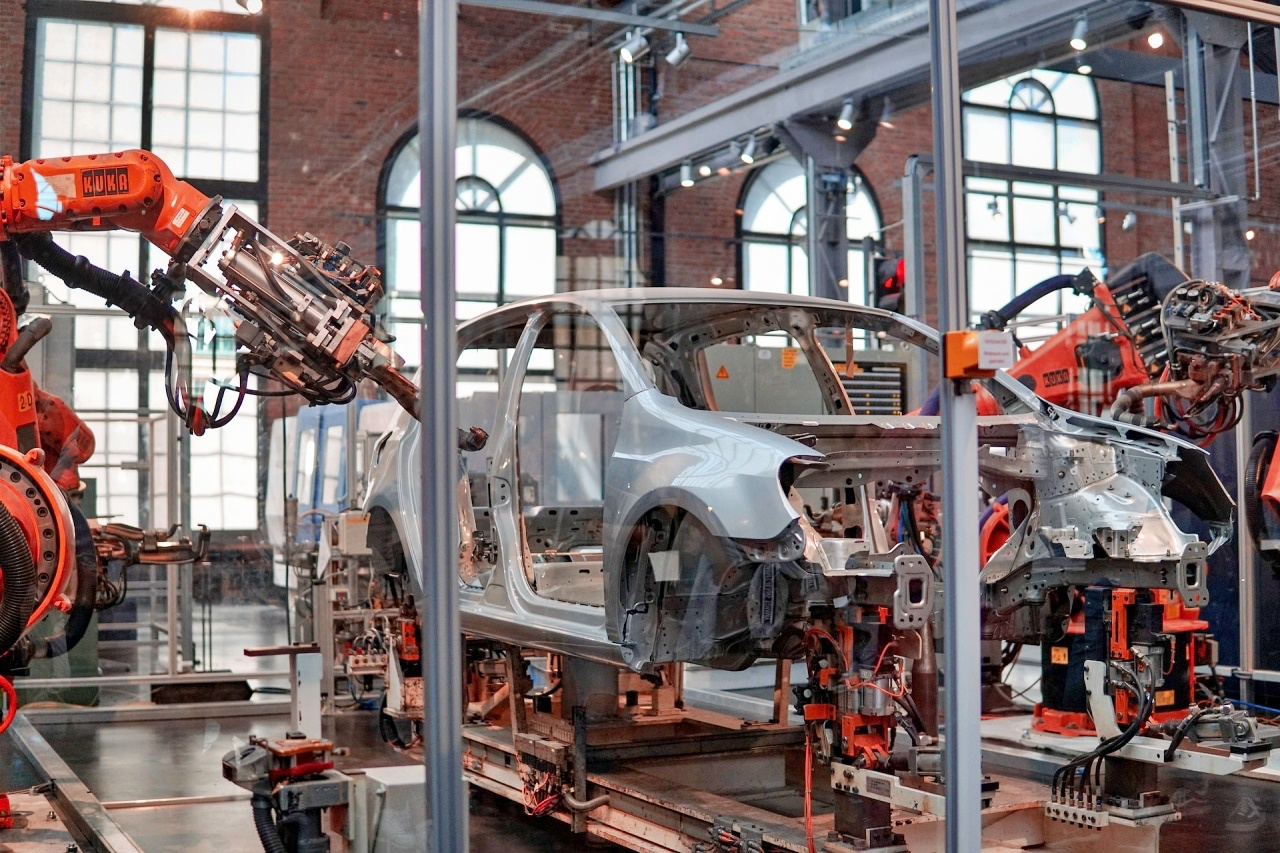
Tata Motors, the parent company of Jaguar Land Rover, has chosen the UK for its new electric vehicle battery plant, planning a landmark £4 billion investment. This significant move is set to generate roughly 4,000 jobs and boost the country's position in the global EV battery race.
Tata Motors confirmed its plans to construct its EV battery factory in the U.K. This will be the country's flagship production facility. The building is set to be built in Somerset, and once in full operation, the company is expected to generate about 4,000 jobs and a lot more in its supply chain that will eventually expand as well.
According to BBC News, Tata Motors' £4 billion investment is for the main site only. It is understood that it will also receive subsidies from the government which could be worth hundreds of millions of pounds. This project is considered the most significant investment in the automotive industry in the U.K. since Japan's Nissan Motors arrived in the 1980s.
This is being seen as a major achievement for Britain as it is attempting to catch up in the EV battery race that is currently ongoing worldwide, Reuters reported. Many companies are building their own EV battery factories as car manufacturers shift from gas to electric cars.
In any case, it was reported that the company had been negotiating for months before it was able to successfully secure financial support for its gigafactory from the U.K. government. On Wednesday, July 19, Tata Motors received a large incentive offer for the EV battery plant.
U.K.'s Prime Minister Rishi Sunak told BBC that its decision to grant subsidies to Tata Motors was based on various factors. The government may give these subsidies as cash, discounts on energy costs, grants, and research funding.
"Tata is an international business and will consider a number of factors when deciding where to invest. Last autumn the chancellor cut taxes specifically so that we could encourage investments like this," the PM stated.
He added, "We are making lots of changes and it is this whole package that's attractive, like investment in skills and apprenticeships, infrastructure in road, rail and broadband. It is also the approach we are taking to regulation after leaving the E.U."
Photo by: Lenny Kuhne/Unsplash







