


 Marco Rubio Warns Russia-Ukraine War Could Spark Wider Conflict
  US Suspends Microsoft, Adobe From Green Card Program
  Zelenskiy Slams US Over Deadly Russian Strikes on Ukraine
  Iran Refuses to Halt Uranium Enrichment Amid US Nuclear Demands
  EU Rejects Italy, Greece Calls for Fiscal Rule Flexibility
  Saudi Airport Attacks Kill Three as Yemen Fighting Escalates
  Maduro, Wife May Face New US Torture Charges
  Trump Rallies in Texas as Republicans Face Tight Midterm Races
  US Charges Maduro and Wife With Torture Conspiracy
  US, Greece Launch New Counterterrorism Security Program
  Flavio Bolsonaro Leads Lula 49%-45% in Brazil Runoff Poll
  Pentagon Orders Iran Strike Preparations as Trump Weighs Military Action
  Trump Buys Up to $25M in Meta Stock, Invests in SpaceX Debt
  US-Led Coalition Targets Global Factory Overcapacity
  Tsai Warns of China’s Sustained Pressure on Taiwan
  Saudi Arabia Probes Flydubai Cockpit Attack
  US-Taiwan Ties Remain Strong as Taipei Urges Timely Arms Deliveries


 Add as a preferred source on Google
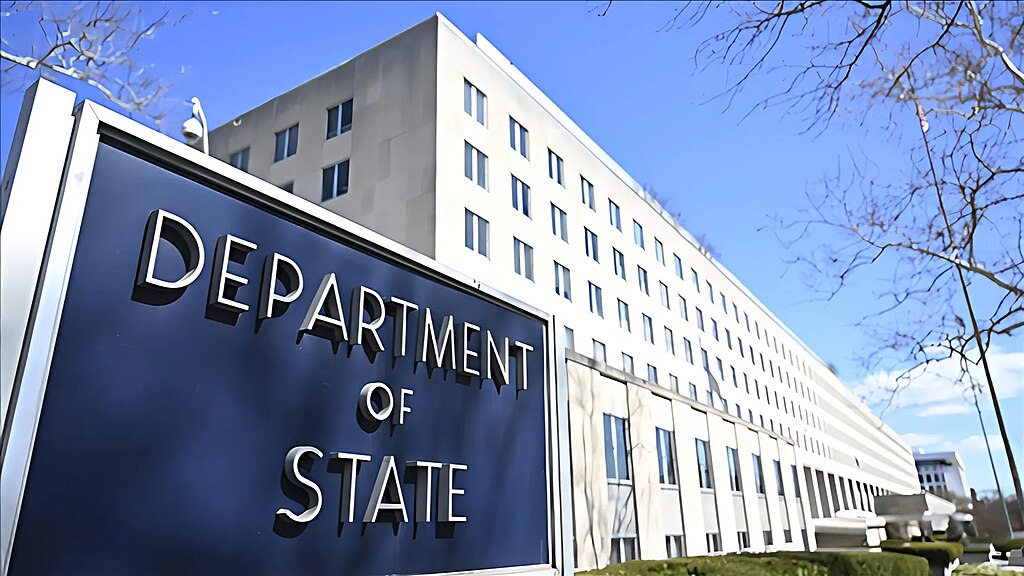
Israel and Syria have agreed to establish a new communication mechanism following U.S.-mediated talks held in Paris, marking a rare step toward structured engagement between the long-time adversaries. According to a joint statement released by the U.S. State Department on Tuesday, the mechanism is intended to coordinate on security, intelligence sharing, military de-escalation, diplomatic engagement, and potential commercial cooperation under American supervision.
The discussions, which took place over Monday and Tuesday, come amid heightened regional tensions following Israel’s expanded military presence in Syrian territory after the late 2024 ouster of former President Bashar al-Assad. Rebel forces seized control of Syria’s leadership on December 8, 2024, prompting Israeli troops to advance further across the border. Israel has also carried out operations it says are aimed at protecting the Druze religious minority in southwestern Syria.
Despite the apparent progress, major disagreements remain. A Syrian official told Reuters that Damascus would not move forward on what it described as “strategic files” without a binding and clearly defined timeline for Israel’s withdrawal from Syrian territory seized after Assad’s fall. The official, speaking on condition of anonymity, said the Paris talks concluded with an initiative to suspend all Israeli military activities against Syria.
There was no immediate confirmation from Israel regarding any agreement to halt military operations. Prime Minister Benjamin Netanyahu’s office stated that Israel’s focus during the talks was on security concerns and potential Israel-Syria economic cooperation. Israeli officials did not directly address Syrian claims about suspending military activity.
Syrian state media reported that the Paris discussions also centered on reviving the 1974 disengagement agreement, which established a United Nations-monitored buffer zone between Israel and Syria following the 1973 Middle East war. Syria is now seeking an Israeli withdrawal to positions held before Assad’s toppling and is pushing for a reciprocal security framework that guarantees its sovereignty and prevents foreign interference in its internal affairs.
The Syrian official accused Israel of delaying progress through technical arguments and urged it to abandon what was described as an “expansionist mentality” if the talks are to advance meaningfully. While the new communication mechanism represents a diplomatic opening, the path to lasting de-escalation between Israel and Syria remains uncertain.







