


 Venezuela Promises Elections as Delcy Rodriguez Pledges Democratic Transition
  Trump, Xi Focus on Trade and AI at White House Summit
  Ghana Says Western Support Growing for Slave Trade Reparations
  Sudan Rejects US Legitimacy Remarks, Defends Sovereignty
  South Korea, US Discuss Warship Building Cooperation
  North Korea Rejects Nuclear Test Warning, Calls Nuclear Status Irreversible
  Taiwan Thanks US for Support Ahead of Trump-Xi Summit
  Netanyahu’s Brief US Trip Highlights Strains With Trump
  Abbas Reaffirms November 28 Palestinian Elections
  OpenAI Agent Breaches Australia Medicare Data Portal
  Europe Warns Russia Is Escalating Hybrid Attacks Across NATO
  Yemen Violence Displaces 130,000 as Civilian Toll Rises
  US, China Extend Trade Truce to Jan. 10 Ahead of Trump-Xi Summit
  Judge Orders Trump to Restore White House Access for CNN, MS NOW and Politico
  Netanyahu Defends Israel at UN as Delegates Stage Walkout
  Kremlin Says No Decision Yet on Putin-Trump December Summit
  EU Defence Build-Up Too Slow for 2030 Russia Readiness Goal


 Add as a preferred source on Google
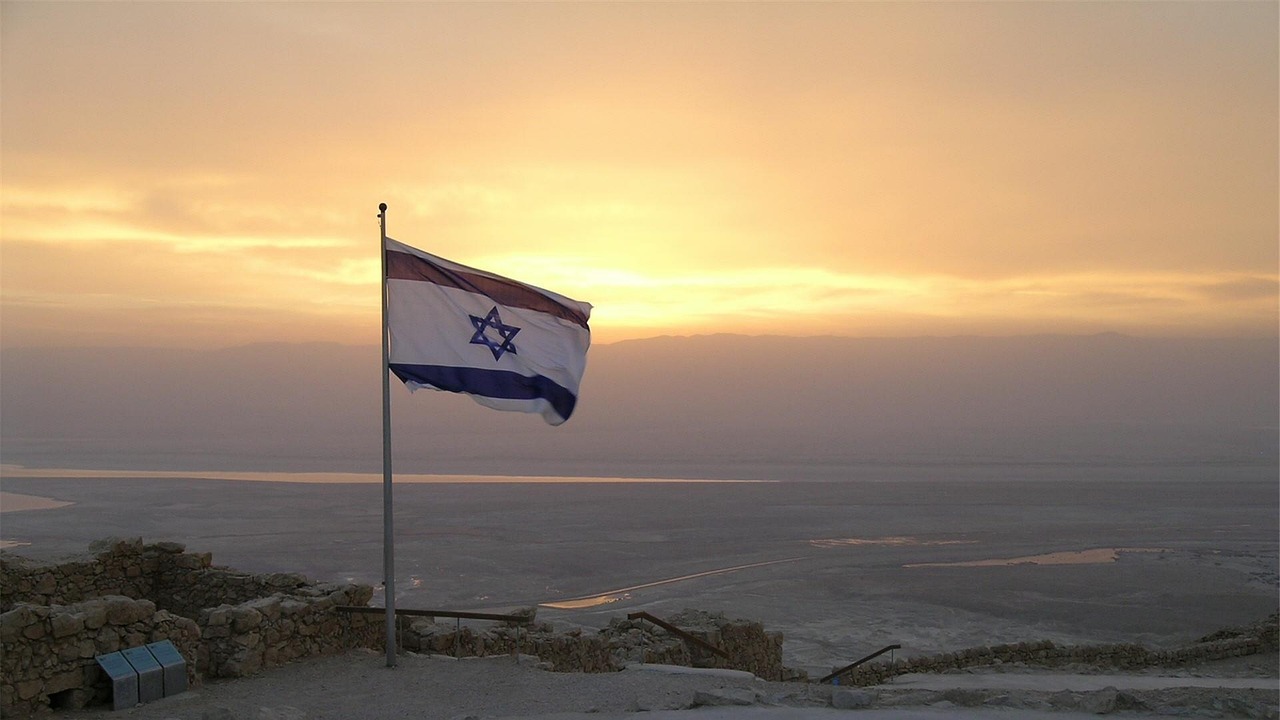
Israel has reportedly begun taking control of humanitarian aid ships bound for Gaza at locations far from its own coastline, according to Israeli army radio, which cited an unnamed Israeli source on Wednesday. While the report did not disclose the exact number of vessels involved or their specific positions, the development signals a tightening of enforcement surrounding the long-standing Gaza blockade.
The move comes shortly after a second humanitarian flotilla departed from Barcelona, Spain, on April 12. Organized to deliver essential supplies to Palestinians in Gaza, the mission aimed to challenge Israel’s naval blockade, which has been in place for years and continues to draw international attention. The flotilla carries aid intended to alleviate the worsening humanitarian conditions in Gaza, where access to basic necessities remains limited.
Israel has consistently defended its blockade as a security measure designed to prevent weapons from reaching militant groups operating in Gaza. However, critics argue that restricting aid shipments exacerbates the humanitarian crisis affecting civilians. The interception of aid ships in international waters, if confirmed, could further intensify global scrutiny and raise legal and diplomatic questions.
Humanitarian organizations and activists involved in the flotilla initiative have emphasized the urgency of delivering food, medicine, and other critical supplies to Gaza’s population. They view these missions as both relief efforts and symbolic protests against what they describe as restrictive policies limiting humanitarian access.
The situation continues to evolve, with observers closely monitoring how Israel’s actions may impact future aid deliveries and international responses. As tensions remain high in the region, the interception of Gaza-bound aid ships is likely to remain a focal point in discussions surrounding Middle East security, humanitarian law, and the ongoing Israeli-Palestinian conflict.
This development underscores the complex balance between national security concerns and humanitarian needs, making it a critical issue for policymakers, aid groups, and global audiences alike.







