


 Qatar PM Heads to Tehran to Revive Iran-US Diplomacy
  Trump Administration Plans New Drug Pricing Deals With Biotech Firms
  Iran Weighs Conditions to Reopen Strait of Hormuz
  U.S. Probes Apex Logistics Over Nvidia AI Chip Shipments to China
  Qatar Pushes Iran Diplomacy as Trump Rules Out Talks
  German Industry Pushes Merz for Tougher China Trade Policy
  Trump Floats ‘Lake America’ Rename as US-Canada Trade Tensions Deepen
  NYC Mayor Mamdani Opposes RSS Chief Mohan Bhagwat’s Manhattan Event
  European Allies Seek to Reassure Pentagon as US Reviews Troop Presence
  Trump Administration Pauses Visa Appointments Worldwide
  U.S. Caribbean Vessel Strike Kills Four in Latest Anti-Drug Operation
  Pentagon Eyes U.S. Troop Cuts in Europe Amid NATO Review
  South Korea, Japan and US Plan Joint Military Drills
  34 Australians Missing After Deadly Nepal Floods
  CIA Director John Ratcliffe Visits Moscow for Talks With Russian Officials
  Dan J. Sullivan Advances in Alaska Senate Race, Setting Up Name Confusion
  U.S. Disrupts China-Linked Hacking Campaign Targeting Government Agencies


 Add as a preferred source on Google
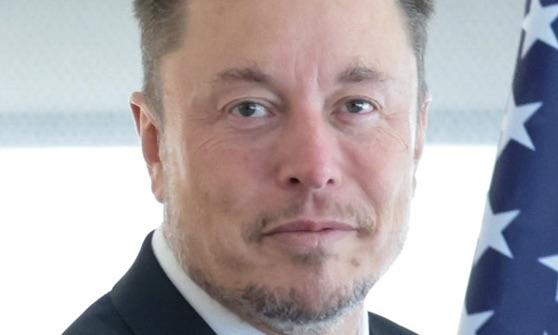
In a bizarre and controversial twist, conspiracy theorists are now suggesting that tech billionaire Elon Musk may be the "Anti-Christ" referenced in the Bible. The wild claim, which has gained traction on social media, has ignited intense debates, with some linking Musk’s technological ambitions to the apocalyptic figure foretold in biblical prophecy.
The theories, which have spread like wildfire online, point to Musk’s ventures in artificial intelligence, space exploration, and human-machine integration as potential signs of his connection to the "Anti-Christ." Some conspiracy theorists argue that Musk’s vision for the future, particularly his plans for Neuralink and the colonization of Mars, could align with biblical warnings about a figure who rises to power using advanced technology and leads humanity astray.
“It’s all in the Bible if you know where to look,” one online commenter claimed, pointing to verses in the Book of Revelation that describe the "Anti-Christ" as a charismatic figure who wields great influence. “Musk is pushing the boundaries of technology in ways we’ve never seen before. Could it be part of a bigger plan?”
While these theories have no basis in theological scholarship or mainstream religious interpretation, they have nonetheless sparked controversy. Musk, known for his bold ideas and sometimes eccentric behavior, has always been a subject of fascination, but the notion of him being tied to a biblical prophecy has taken the speculation to a new level.
The most controversial part of the theory involves Musk’s work on Neuralink, a project aimed at connecting the human brain directly to computers. Conspiracy theorists point to this as a potential “mark of the beast,” a symbol often associated with the "Anti-Christ" in popular culture. They claim that the integration of technology with the human body could be a sign that Musk is leading humanity down a dangerous path.
Critics, however, have dismissed these theories as outlandish and rooted in fear of technological progress. “It’s absurd to label someone like Musk as the 'Anti-Christ' just because he’s working on advanced tech,” one tech analyst commented. “These kinds of theories come up whenever there’s major innovation, but they’re not grounded in reality.”
Supporters of Musk have also pushed back against the claims, arguing that the billionaire’s efforts to advance human knowledge and technology are far from sinister. “Elon Musk is trying to solve some of humanity’s biggest problems, not bring about the apocalypse,” said one Musk supporter on Twitter.
Despite the pushback, the theories continue to circulate, with believers pointing to Musk’s growing influence in global affairs as further evidence of his potential role in a larger, more nefarious plan. “The 'Anti-Christ' is supposed to be someone who has the world in his hands,” another commenter wrote. “With Musk’s control over tech, space exploration, and artificial intelligence, you can’t help but wonder.”
As the conspiracy theories surrounding Musk and the "Anti-Christ" grow, they reflect the broader anxieties many people feel about the rapid pace of technological change and the role of powerful individuals in shaping the future. While most view these claims as nothing more than baseless speculation, they have nonetheless fueled a heated debate about the intersection of faith, technology, and the future of humanity.
For now, Elon Musk has not responded to the theories linking him to biblical prophecy, but the conversation surrounding his influence—and the speculation about his role in the world—shows no signs of slowing down.







