


 US 10-Year Treasury Yield at 6% Emerges as New Market Risk Threshold
  Former OpenAI Data Center Chief Chris Malone Joins Nvidia
  McDonald’s Sees Flat Traffic, Sticky Inflation as New Normal
  European Stocks Fall as Bond Yields and Geopolitical Risks Weigh
  US Backs Musk in Fight Against EU’s €120 Million X Fine
  Oil Prices Surge as U.S.-Iran Diplomacy Hopes Fade
  H&M Q3 Profit Beats Estimates as Margins Improve
  Fed Unveils Stablecoin Rules Under GENIUS Act
  Tencent Launches TenPayGo Payment App for Foreign Tourists in China
  Australia Unemployment Hits Five-Year High Despite Strong Jobs Growth
  Russian Envoy Dmitriev Heads to US for Ukraine Talks
  Novo Nordisk Strikes €1.17 Billion Nanexa Drug Delivery Deal
  Apple Extends Qualcomm Patent Licensing Deal
  EQT Plans €1.7 Billion Sale of Parques Reunidos Stake
  Japan Private-Sector Growth Slows as Domestic Demand Weakens
  Asian Stocks Fall as Surging Bond Yields Rattle Markets


 Add as a preferred source on Google
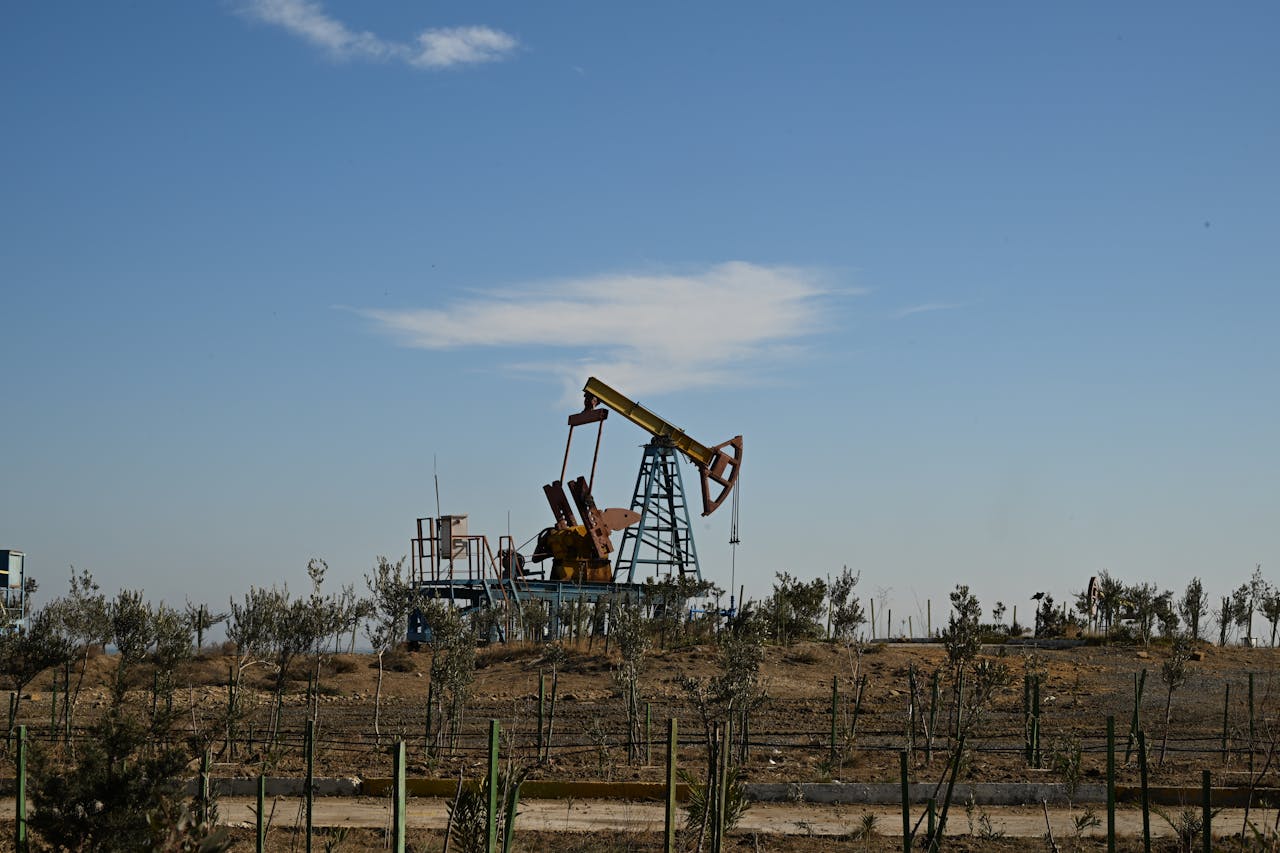
Crude oil prices surging past $100 per barrel amid escalating tensions in the Middle East are raising serious concerns about airline profitability, even as the broader commercial aerospace sector shows signs of resilience, according to Bernstein analysts.
Before the conflict erupted, oil markets were trending toward a supply surplus. That outlook has now reversed, with fears of a potential supply deficit growing — particularly if disruptions spread to the Strait of Hormuz, a vital artery for global energy trade. Jet fuel, already one of the heaviest cost burdens for carriers, has become even more expensive as refining margins spike alongside crude prices.
The core challenge is timing. When oil prices climb due to supply shocks rather than rising consumer demand, airlines typically cannot reprice tickets fast enough to protect their margins. That gap between rising costs and stagnant fare recovery is where profitability erodes.
Not all carriers face equal exposure. Network airlines, which allocate a smaller proportion of revenue to fuel than low-cost carriers, tend to weather oil shocks more effectively. Airlines with solid balance sheets, diversified income streams, and robust fuel hedging strategies for 2026 are better positioned to absorb near-term cost pressures. Carriers serving Asian routes may also gain a competitive edge if travelers reroute away from Middle Eastern transit hubs.
The aerospace manufacturing side looks more insulated. Airbus and Boeing both carry order backlogs spanning nearly a decade of production, making large-scale cancellations unlikely even if airline earnings weaken. The more vulnerable segment is aircraft maintenance and aftermarket services — airlines under financial strain tend to defer engine overhauls and cut fleet utilization, directly impacting supplier revenues.
Ultimately, the conflict's duration will determine the damage. A brief disruption may prove manageable, but a prolonged closure of key energy corridors could push fuel costs to levels that fundamentally reshape aviation economics.







