


 Abbas Reaffirms November 28 Palestinian Elections
  Canada Unveils Bill to Fast-Track Major Resource Projects
  Trump Administration Plans Faster FDA Reviews for Smoke-Free Nicotine Products
  Pentagon Restarts Testosterone Testing for US Troops
  Gaza Faces Evacuation Crisis as War-Damaged Buildings Risk Collapse
  ICE Agent Arrested in Minneapolis Over Venezuelan Man Shooting
  China Reviews Broadcom Switch Use in State Data Centres
  Sudan Rejects US Legitimacy Remarks, Defends Sovereignty
  France Defends Netanyahu Airspace Clearance Despite ICC Warrant
  FCC Approves Foreign Investment in $110B Paramount-Warner Bros. Deal
  Yemen Violence Displaces 130,000 as Civilian Toll Rises
  FAA Allows Boeing to Sell 35 More 777F Freighters Beyond 2028
  US Resumes Immigrant Visa Processing for Hungary, Poland
  Ghana Says Western Support Growing for Slave Trade Reparations
  Who should own the knowledge that underpins AI technology?
  South Korea, US Discuss Warship Building Cooperation


 Add as a preferred source on Google
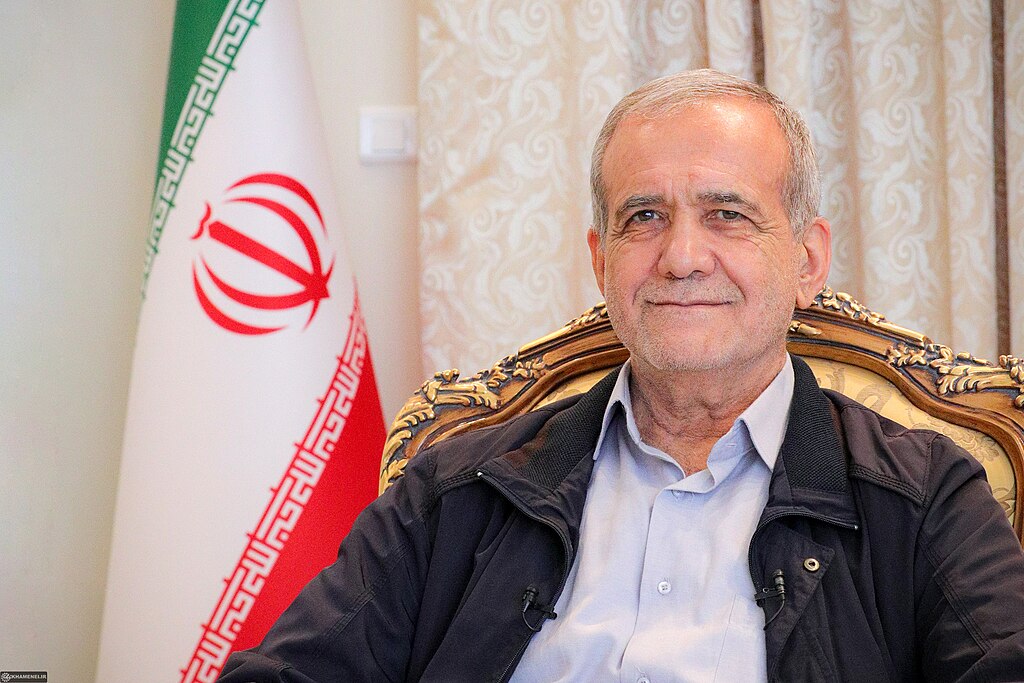
Iranian President Masoud Pezeshkian has officially ordered the restoration of international internet access after nearly 90 days of severe restrictions that isolated millions of citizens from the global web. Iranian state media confirmed the decision on Monday, citing a senior official from the country’s Communications Ministry.
The move comes after one of the longest internet blackouts in Iran’s recent history, which began during nationwide anti-government protests on January 8. Although internet services briefly improved in February, authorities imposed another shutdown following U.S. and Israeli military strikes against Iran on February 28. Since then, most residents have struggled to access global websites, social media platforms, and online communication tools.
According to internet monitoring organization NetBlocks, the majority of Iranians remained disconnected from the worldwide internet for 87 consecutive days. Only a limited number of users with advanced and costly VPN services were reportedly able to bypass government restrictions and maintain partial access to international websites.
While the Iranian government has now approved reopening internet connectivity, officials have not yet explained how or when full access will be restored nationwide. The uncertainty has raised concerns among citizens and digital rights groups, especially as Iran continues to maintain strict online censorship policies.
Even during normal periods, internet freedom in Iran remains heavily controlled. Many foreign websites and social media platforms are blocked, and authorities increasingly depend on a domestic intranet system to deliver essential services. Schools and educational institutions, for example, currently rely on government-controlled online learning platforms instead of unrestricted internet access.
The decision to reconnect Iran to the global internet could significantly impact communication, business operations, education, and public access to information. However, experts believe the country’s broader internet censorship policies are unlikely to disappear entirely despite the latest reopening order.







