


 Saudi Arabia, Turkey and Pakistan Plan Urgent Defence Talks Over Houthi Attacks
  France Defends Netanyahu Airspace Clearance Despite ICC Warrant
  South Korea, US Discuss Warship Building Cooperation
  Judge Orders Trump to Restore White House Access for CNN, MS NOW and Politico
  Netanyahu Takes Aim at Mamdani as Israel Election Nears
  Trump, Xi Visit US National Archives After White House Summit
  Kremlin Says No Decision Yet on Putin-Trump December Summit
  What ‘Taiwan Independence’ Means as Xi Presses Trump on US Policy
  Yemen Violence Displaces 130,000 as Civilian Toll Rises
  Taiwan Thanks US for Support Ahead of Trump-Xi Summit
  Trump Asks Supreme Court to Restore Third-Country Deportations
  EU Defence Build-Up Too Slow for 2030 Russia Readiness Goal
  Sudan Rejects US Legitimacy Remarks, Defends Sovereignty
  Najib Razak Seeks Stay of 15-Year 1MDB Prison Sentence
  US Senate Rejects Iran War Powers Resolution in 50-49 Vote
  Ukrainian Drone Attacks Hit Russian Regions, Injuring at Least 12
  Ghana Says Western Support Growing for Slave Trade Reparations


 Add as a preferred source on Google
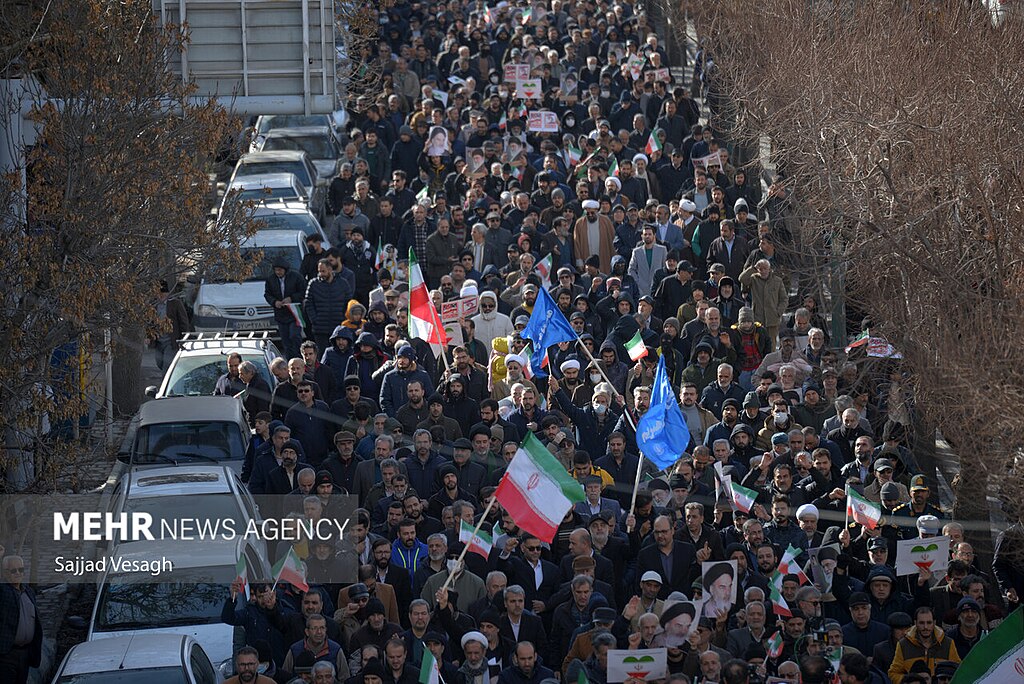
Mass protests in Iran have reignited global attention on the country’s political future, but they have also highlighted deep and long-standing divisions among Iranian opposition groups in exile. Despite a shared hostility toward Iran’s ruling clerics, opposition factions remain fractured by ideological rivalries that date back to before the 1979 Islamic Revolution, limiting their ability to present a unified alternative.
The most visible split is between monarchists backing Reza Pahlavi, son of the last shah, and the Mujahedin-e Khalq (MEK), a controversial group combining leftist and Islamist ideas. These divisions have spilled into social media disputes and even heated confrontations during street protests in Europe and North America, underscoring how unresolved historical grievances continue to shape today’s opposition politics.
Determining how much support either faction has inside Iran is difficult. Analysts and diplomats have long noted that both monarchists and the MEK tend to enjoy far greater popularity among the Iranian diaspora than within the country itself. While some protest videos from Iranian cities show demonstrators chanting in favor of the monarchy and Reza Pahlavi, experts caution that this does not necessarily translate into broad-based domestic backing.
Reza Pahlavi, now in his mid-60s and based in the United States, has positioned himself as a pro-democracy figure without clearly defining a future political role. Supporters argue he could unify the nation if the Islamic Republic were to collapse, pointing to his visibility and media reach through Persian-language satellite television. Critics, however, say his name may resonate simply because there are few recognizable opposition leaders.
The MEK, meanwhile, is widely viewed with suspicion inside Iran due to its past armed activities and its alliance with Iraq during the Iran-Iraq war. Although some Western politicians have expressed support for the group, many Iranians associate it with violence and rigid internal discipline, limiting its appeal.
Beyond these factions, many Iranians abroad reject both monarchism and the MEK but lack an organized network. This absence of an inclusive, widely accepted opposition movement complicates international responses to Iran’s unrest. As Iran’s population has grown younger, more urban, and more educated, many inside the country appear focused less on exiled leaders and more on forging their own path toward meaningful political change.







