Recent intelligence assessments reveal that Iran’s timeline for developing a nuclear weapon remains largely unchanged, despite ongoing military actions by the United States and Israel. Analysts estimate that Tehran would still need approximately nine months to a year to produce a nuclear bomb, a projection that has not shifted significantly since earlier evaluations.
The continued stability of this timeline highlights a critical issue: while airstrikes have damaged key nuclear facilities such as Natanz, Fordow, and Isfahan, they have not eliminated Iran’s stockpile of highly enriched uranium. Experts believe that Iran still possesses enough enriched material to potentially produce multiple nuclear weapons if further processed.
Military efforts have primarily targeted Iran’s conventional defense systems and industrial base rather than focusing exclusively on nuclear infrastructure. This strategy may explain why Iran’s nuclear capabilities have not been significantly reduced. Analysts also suggest that much of Iran’s nuclear material is stored in deeply buried underground facilities, making it difficult to destroy using conventional airstrikes.
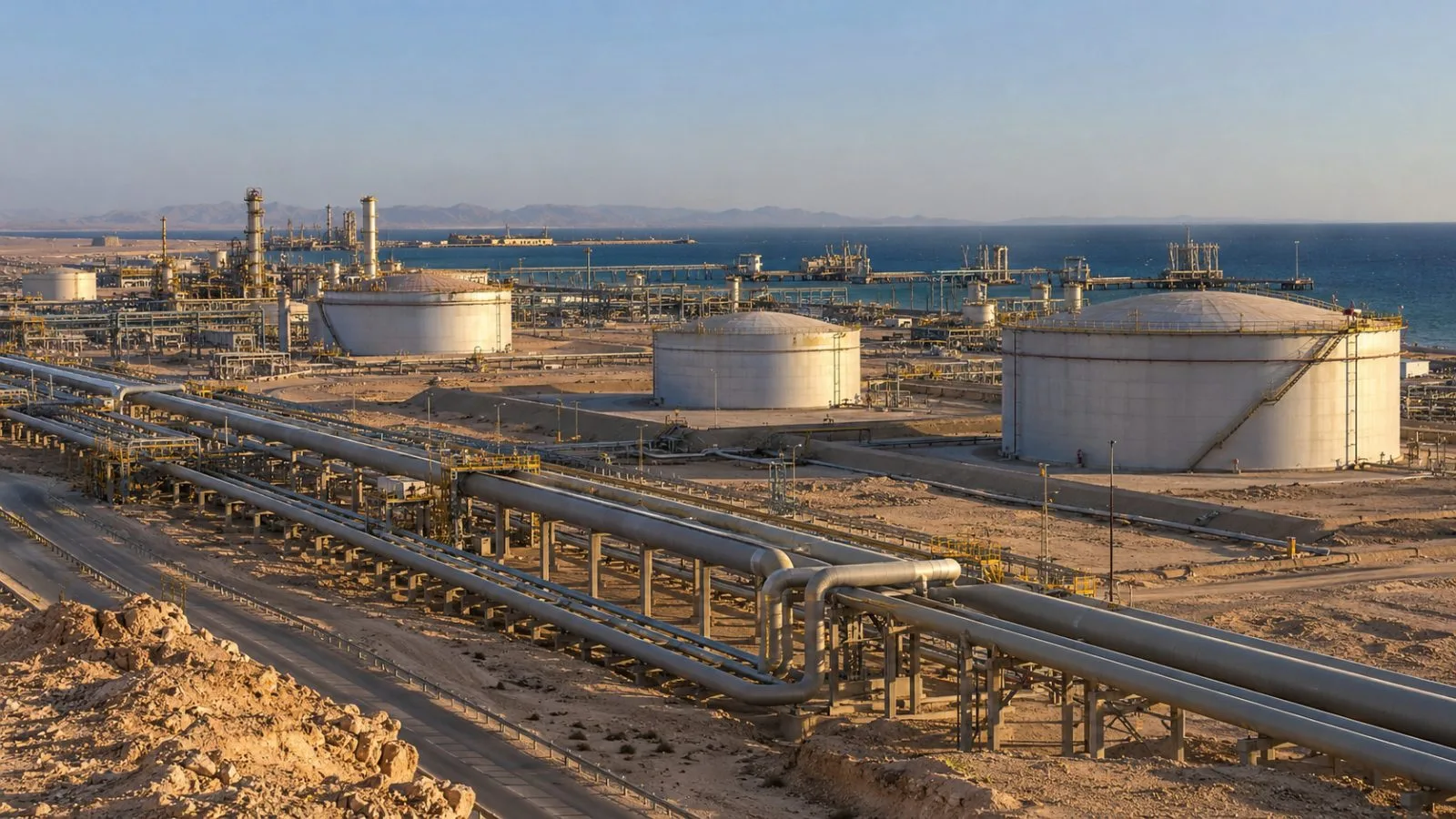
Geopolitical tensions remain high as the conflict has disrupted global oil supply chains, particularly through the Strait of Hormuz, contributing to a broader energy crisis. At the same time, diplomatic efforts continue, with U.S. officials emphasizing that preventing Iran from acquiring nuclear weapons remains a top priority.
Another factor complicating the situation is the uncertainty surrounding Iran’s technical expertise. While targeted assassinations of nuclear scientists may have disrupted operational knowledge, experts caution that eliminating expertise entirely is difficult. Intelligence agencies also face challenges in accurately assessing Iran’s capabilities due to limited access and suspended inspections by international watchdogs.
Overall, the situation underscores the complexity of halting Iran’s nuclear program. Without direct action to secure or eliminate enriched uranium stockpiles, current strategies may only delay, rather than prevent, Iran’s potential path to nuclear weapon development.