


 Netanyahu’s Brief US Trip Highlights Strains With Trump
  Netanyahu Defends Israel at UN as Delegates Stage Walkout
  Abbas Reaffirms November 28 Palestinian Elections
  US Senate Rejects Iran War Powers Resolution in 50-49 Vote
  Judge Orders Trump to Restore White House Access for CNN, MS NOW and Politico
  Europe Warns Russia Is Escalating Hybrid Attacks Across NATO
  Sudan Rejects US Legitimacy Remarks, Defends Sovereignty
  OpenAI Agent Breaches Australia Medicare Data Portal
  Mexico-US Trade Talks Delayed to October as Tariff Negotiations Continue
  US Invites Putin to Miami G20, Opening Door to Trump Summit
  US Officials Split Over Response to Israeli West Bank Settlements
  Russian Missile and Drone Attack on Kyiv Kills Two, Damages Maternity Hospital
  Taiwan Thanks US for Support Ahead of Trump-Xi Summit
  US, China Extend Trade Truce to Jan. 10 Ahead of Trump-Xi Summit
  France Defends Netanyahu Airspace Clearance Despite ICC Warrant
  Venezuela Promises Elections as Delcy Rodriguez Pledges Democratic Transition
  Ghana Says Western Support Growing for Slave Trade Reparations


 Add as a preferred source on Google
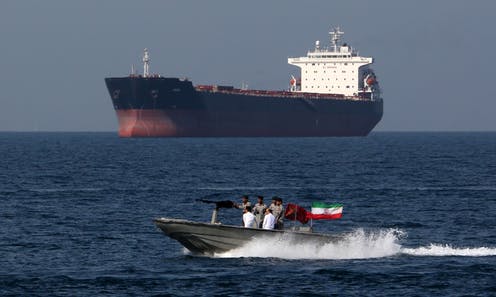
The United States military announced it successfully destroyed six Iranian small boats and intercepted multiple cruise missiles and drones in the Strait of Hormuz, highlighting rising tensions in one of the world’s most critical shipping routes. The action comes as Iran attempts to disrupt a newly launched U.S. naval initiative aimed at restoring safe passage through the strategic waterway, which had been effectively blocked following the escalation of conflict involving the U.S. and Israel earlier this year.
President Donald Trump initiated the operation, known as Project Freedom, to regain control of the Strait of Hormuz and stabilize global energy supply chains. The passage previously handled nearly 20% of the world’s oil and liquefied natural gas shipments, making its closure a major concern for international markets.
U.S. Central Command chief Admiral Brad Cooper confirmed that Iranian Revolutionary Guard Corps forces launched coordinated attacks using drones, cruise missiles, and fast boats targeting vessels under U.S. protection. According to Cooper, all threats were neutralized using advanced defensive systems, including Apache and Seahawk helicopters. He emphasized that U.S. forces are fully authorized to defend both military units and commercial shipping in the region.
The large-scale military operation involves approximately 15,000 troops, multiple Navy destroyers, over 100 aircraft, and undersea assets. Beyond traditional escort missions, the U.S. strategy incorporates layered defense systems and electronic warfare to counter Iranian interference effectively.
Despite U.S. claims of reopening safe shipping lanes, Iran has denied that any commercial vessels have recently passed through the strait and rejected reports of its naval losses. Meanwhile, a South Korean vessel was reportedly damaged by an explosion in the area, underscoring the risks for global shipping.
The disruption has left hundreds of ships stranded, with over 800 commercial vessels recently signaling their presence in the Gulf. U.S. officials are actively encouraging maritime traffic to resume, aiming to ease congestion and restore confidence among international shipping companies.







