


 US Troops Set to Complete Iraq Withdrawal as Iran Influence Grows
  Israel Tightens Pilot Security After Flydubai Incident
  Tim Scott Blames Democrats as CLARITY Act Stalls in Senate
  Netanyahu Says Israel May Join Flydubai Crash Attempt Probe
  Trump Demands Powell Resign Over Fed Renovation Cost Overruns
  US Officials See China Taiwan Invasion Before 2028 as Less Likely
  Wicker Urges US to Uphold Taiwan Security Commitments
  UN Extends Haiti Security Force Mandate Ahead of Elections
  Russia Warns NATO of Nuclear Response Over Kaliningrad
  Malaysia Begins Deportation of 1,500 Myanmar Nationals
  US Sanctions Iran Weapons Procurement Network
  UN Condemns Myanmar Airstrike That Kills 50 in Rakhine
  US Alcohol Ban Exposes Canada’s Internal Trade Barriers
  Netanyahu Vows Probe Into Foiled Flydubai Crash Attempt
  White House Blames Democrats as CLARITY Act Stalls
  CNN, Politico and MS NOW Seek Court Order Blocking Trump White House Ban
  Israeli Settlers Attack West Bank Village, Block Palestinian Family’s Return


 Add as a preferred source on Google
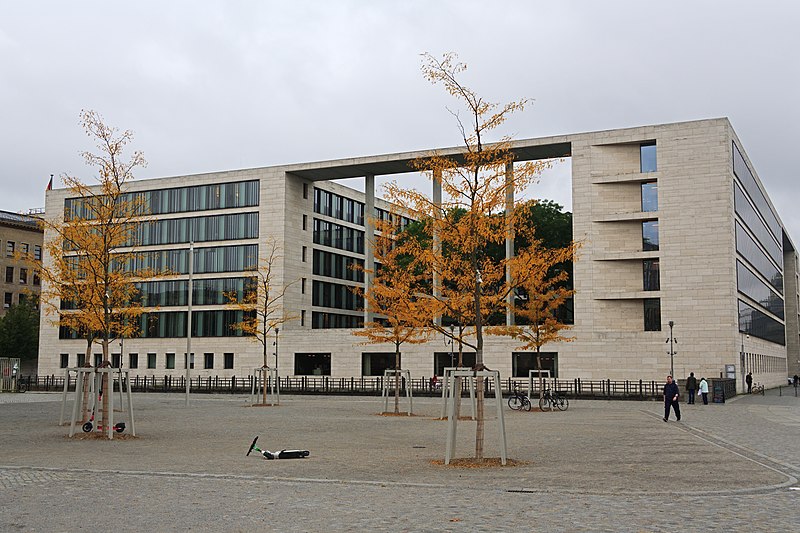
The German foreign ministry said it summoned the Iranian ambassador to Berlin for talks. The talks come amidst the country’s concerns over Iran’s track record on human rights.
The spokesperson for the German foreign ministry said on Monday that the Iranian ambassador was summoned to the ministry for talks. The spokesperson did not give further details, but the talks come amidst Berlin’s concerns over Tehran’s track record on human rights in light of the ongoing protests that have been taking place since September last year.
Demonstrations erupted across Iran following the death of Mahsa Amini, a Kurdish Iranian woman who died in the custody of the morality police. The protests mark the biggest challenge to the country’s clerical rulers since the 1979 Revolution. Tehran has also sought to blame its foreign adversaries for the ongoing protests and has also ramped up its crackdown on the demonstrations, having executed four people on protest-related charges.
The Iranian ambassador’s meeting with the German foreign ministry came the day before a German national was arrested in Iran for allegedly taking photos of “sensitive oil centers” in a province in southern Iran, according to the Iranian daily Jam-e-Jam outlet on Tuesday. The Iranian judiciary had yet to comment on the matter.
Iran also executed British-Iranian national and former Iranian deputy defense minister Alireza Akbari, who was convicted on charges of spying for the United Kingdom, drawing backlash from the West. The United States strongly condemned the execution, as London said the charges against Akbari were politically motivated.
“We were appalled by the execution of Mr. Akbari just as we’ve been appalled by everything we’ve been seeing on the streets of Iran over the last months since these protests began: mass arrests, sham trials, the executions, the use of sexual violence as a tool for protests’ suppression,” Secretary of State Antony Blinken told a news conference.
“These abuses will not go without consequence. Together with many other countries, we’ve been moving forward with a variety of unilateral actions, multilateral measures, using UN mechanisms, to try to hold Iran to account,” Blinken added.
EU commission chief Ursula von der Leyen also expressed her support towards designating Iran’s Revolutionary Guards as a terrorist group on Tuesday. On the sidelines of the World Economic Forum in Davos, von der Leyen said she supported the designation for the IRGC in light of Tehran’s “trampling” of human rights as highlighted in the ongoing protests.







