


 Gold Holds Near Two-Month High as Treasury Yields Fall
  UK Budget Swings to Surprise £1.8 Billion Deficit in July
  Citadel Warns High Treasury Yields Pose Broader Market Risks
  US Treasury Buybacks Ease Global Bond Yield Surge
  Moody’s Affirms NVIDIA Aa1 Rating as AI Data Center Guarantees Reach $105 Billion
  Trump Vows Tougher Iran Sanctions as US Weighs New Economic Pressure
  Barclays Downgrades Renault as Cost Savings Challenges Grow
  South Korea Producer Prices Fall 0.4% in July
  Gold Prices Hit Three-Month High as Dollar Weakens
  China opens new Arctic trade route – but obstacles will prevent its wider use
  Asian Stocks Rally as KOSPI, Nikkei Surge on Bond Market Relief
  29 US states are suing Meta. What might it mean for the rest of the world?


 Add as a preferred source on Google
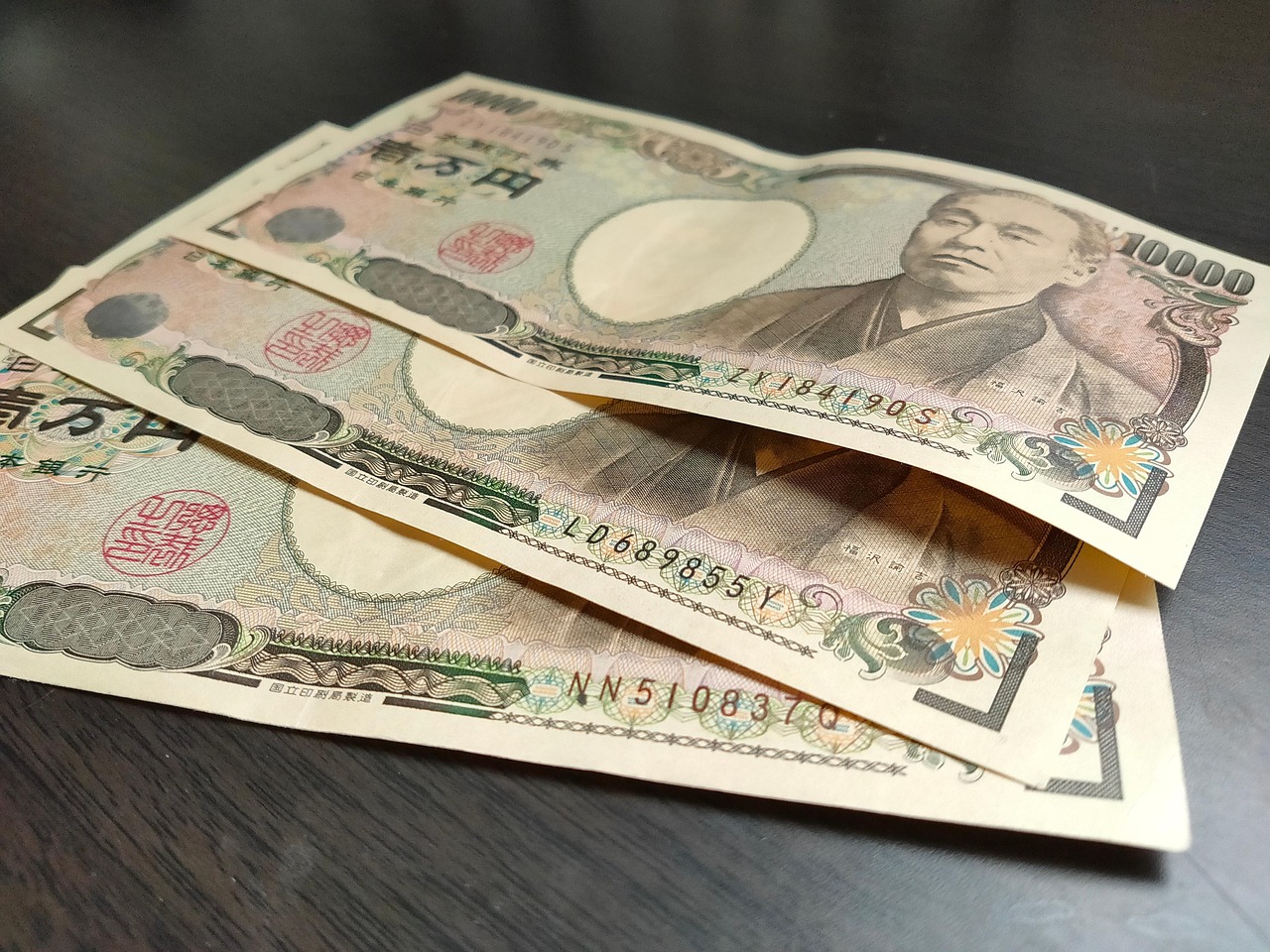
The Japanese yen remains roughly 20% undervalued against the U.S. dollar, according to ING analysts, who believe recent U.S.-Japan currency intervention and potential Bank of Japan policy changes could support a longer-term recovery.
ING Global Head of Markets Chris Turner said U.S. Treasury Secretary Scott Bessent has committed significant political capital to the joint yen-buying intervention conducted in late July. It marked the first coordinated U.S.-Japan effort to support the yen since the 1998 Asian financial crisis.
Turner said Bessent’s support likely reflects his view that the yen is fundamentally undervalued, alongside expectations that Japanese monetary policy will become more supportive of the currency. Markets currently assign about a 75% probability to a Bank of Japan interest rate hike in September.
ING FX strategist Francesco Pesole said the bank’s Behavioural Equilibrium Exchange Rate model has consistently indicated that USD/JPY has been more than 20% overvalued throughout 2026. The model assesses factors including productivity, terms of trade, government spending and current account balances.
Turner pointed to previous currency-market interventions in Sweden and Mexico as examples of how central bank signals can influence exchange rates. Sweden’s Riksbank hedged foreign exchange reserves in 2023 when it considered the krona undervalued, while Mexico’s Banxico unwound a $7.5 billion short USD/MXN forward position when the peso appeared excessively strong.
However, ING said sustained yen appreciation will depend heavily on keeping more Japanese capital at home. Japan’s new growth strategy calls for 370 trillion yen ($2.3 trillion) in public-private investment by 2040, potentially increasing domestic investment opportunities.
Turner noted that Japan currently retains a significant portion of overseas investment income abroad. Future measures could include adding Japanese government bonds to NISA investment accounts or shifting Government Pension Investment Fund allocations toward domestic assets, although he described these possibilities as speculative.
“Having made his name with speculative bets on exchange rates, it looks like Bessent is betting the yen will appreciate,” Turner said.
ING forecasts USD/JPY at 158 by the end of 2026 before declining to 152 by the end of 2027, with higher Japanese returns, stronger economic growth and supportive BOJ policy viewed as key drivers of lasting yen strength.







