


 India PMI Rises as Services Offset Manufacturing Slowdown
  South Korea Producer Prices Fall 0.4% in July
  Wall Street Gains as Treasury Yields Fall, Fed Minutes Signal Inflation Risks
  US Treasury Doubles Long-Term Bond Buybacks as Yields Surge
  U.S. Public Debt Tops $40 Trillion for First Time
  Gold Tops $4,500 as Dollar Slides After Treasury Bond Move
  Asian Currencies Steady as Dollar Weakens After Treasury Bond Buybacks
  US Dollar Hits Three-Month Low as Treasury Yields Fall
  Switzerland Industrial Production Jumps 5.5% in Q2 2026
  Asian Currencies Rise as Dollar Weakens, Treasury Yields Climb
  Asian Currencies Rise as Dollar Hovers Near Multi-Month Lows
  UK Inflation Rises to 2.9% in July as Energy Costs Climb
  Asian Stocks Rise as Korea Tech Shares Rebound
  Australia Unemployment Rate Hits 4.5% as Jobs Fall in July
  Oil Prices Climb as US-Iran Hormuz Tensions Rattle Markets
  Japan Inflation Rises, Boosting BOJ Rate Hike Bets
  Trump Says Iran Talks Halted as Strait of Hormuz Dispute Fuels Oil Concerns


 Add as a preferred source on Google
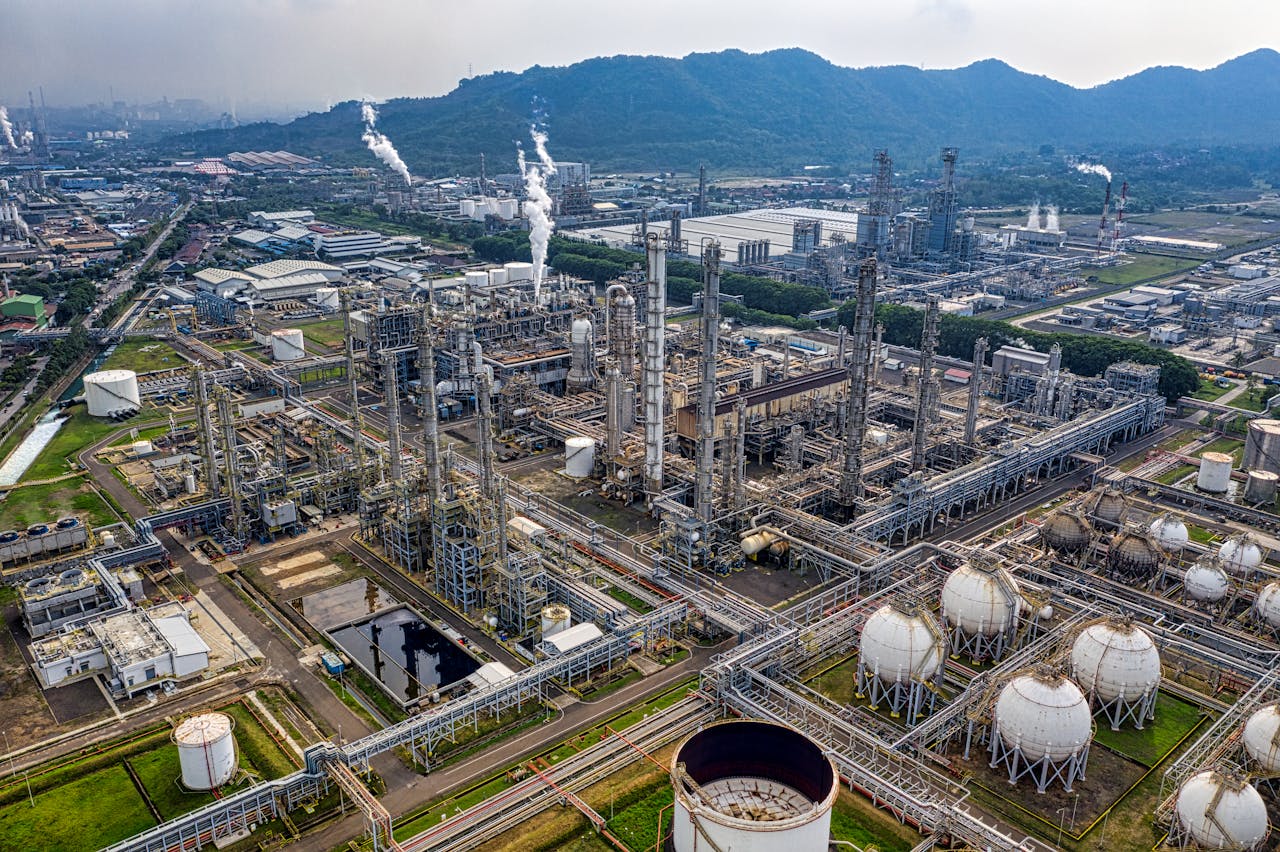
Oil prices edged lower during Asian trading on Friday, retreating from one-month highs as markets assessed Washington’s threat to impose its toughest-ever economic sanctions on Iran. Despite the pullback, crude remained on course for a second consecutive week of strong gains as tensions surrounding the Strait of Hormuz continued to support prices.
Brent crude futures slipped 0.2% to $93.58 a barrel by 04:21 GMT, while West Texas Intermediate (WTI) crude futures declined 0.3% to $84.57. Brent was still set to gain more than 5% for the week, extending its recent rally amid concerns about Middle East oil supplies and shipping disruptions.
Oil markets have been supported by escalating U.S.-Iran tensions after President Donald Trump pledged sweeping economic measures designed to pressure Tehran into accepting a nuclear agreement. Trump also warned countries providing economic support to Iran that they could face significant consequences.
U.S. Treasury Secretary Scott Bessent reinforced the administration’s position on Thursday, saying Iran would face the “toughest sanctions in history.” However, details of the proposed measures remain unclear because Washington already maintains extensive restrictions targeting Iranian oil exports.
Iran has largely dismissed the latest U.S. sanctions threats, while China, one of the biggest buyers of Iranian crude, has also pushed back against Washington’s warnings. The United States has meanwhile maintained a naval blockade imposed against Iran earlier this year.
The continuing confrontation has kept concerns about global oil supply elevated, particularly around the Strait of Hormuz, a critical route for energy shipments from the Middle East.
Commercial shipping through the waterway remains well below levels seen before the conflict, according to shipping data, despite U.S. statements suggesting traffic has improved.
Iran has indicated that it intends to keep the Strait of Hormuz restricted until Washington complies with the terms of a preliminary peace agreement reached in June. With neither side signaling a significant reduction in tensions, geopolitical risks are likely to remain a major driver for Brent and WTI crude prices.







