


 BOJ Raises Interest Rate to 31-Year High as Yen Weakens
  Trump Threatens EU Tariffs Over Canada Membership Proposal
  South Korea Producer Prices Rise 0.2% in August
  Gold Prices Rise as Oil and Treasury Yields Fall
  Mexico Pushes for US Trade Deal Before Midterms
  US Stock Futures Dip After Wall Street Rally
  Wall Street Mixed as Treasury Yields Rise After Fed Hike
  East Germany Narrows Economic Gap With West but Wealth Divide Persists
  Strait of Hormuz Oil Shipments Hit Six-Month High as U.S. Clears Mines
  Asian Stocks Rise as Oil Falls, BOJ Rate Decision in Focus
  Oil Prices Fall as Saudi Supply Concerns Ease
  Asian Currencies Mixed as Dollar Holds Gains After Fed Rate Hike
  Yemen Fighting Threatens Red Sea Oil Routes
  Iran Economic Crisis Forces Afghan Families to Return Home
  Bolivia Approves $1.9 Billion IMF Financing Deal
  US Stock Futures Rally as Markets Digest Fed Rate Hike


 Add as a preferred source on Google
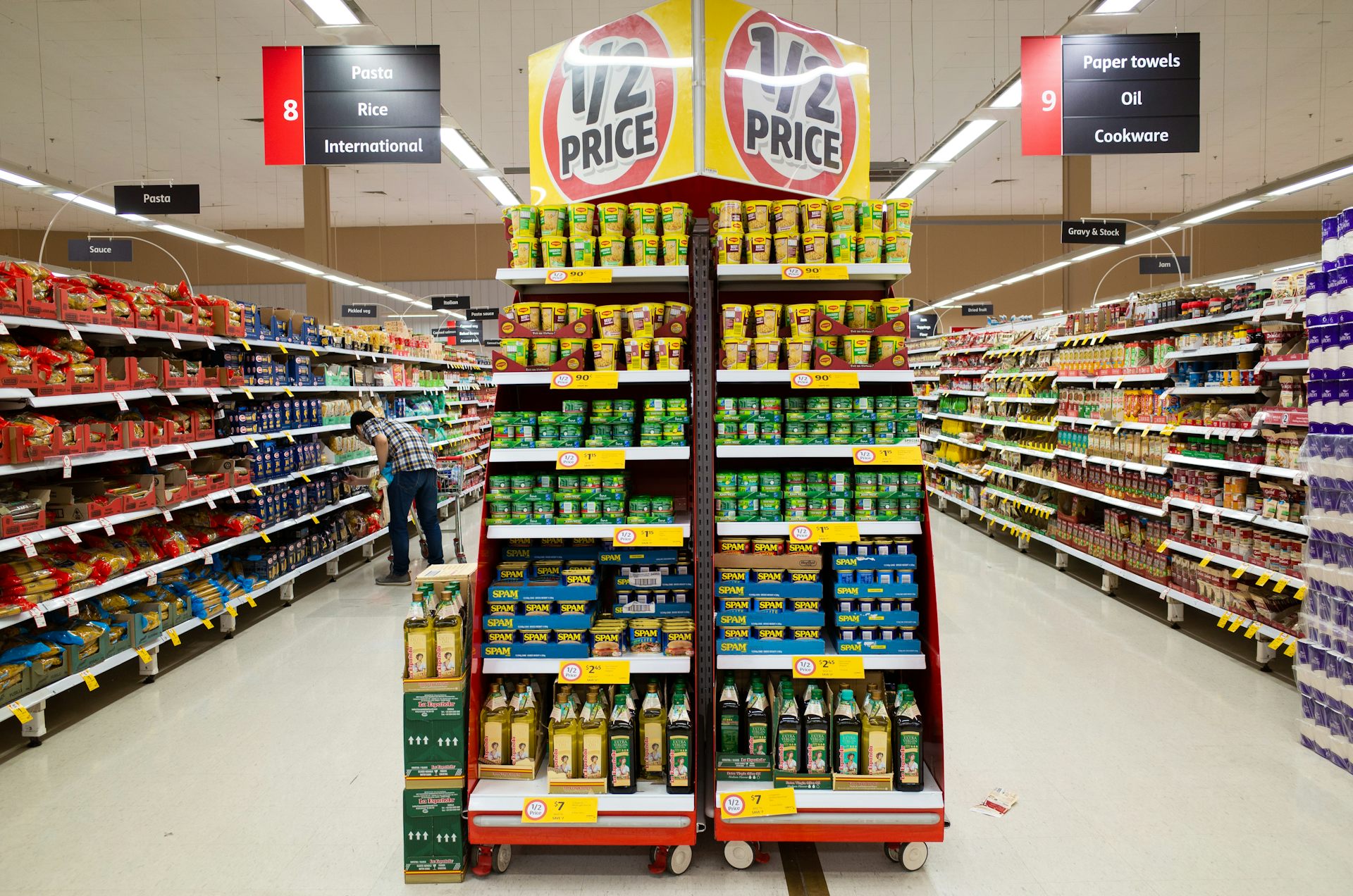

Inflation is moving in the right direction, but new figures released today may not be soft enough to trigger a cut in official interest rates in August.
The Australian Bureau of Statistics released the June quarter consumer price index (CPI) data, providing a timely update on how price pressures are tracking as the Reserve Bank of Australia weighs further interest rate cuts.
With the next policy-setting meeting scheduled for August 11-12, today’s inflation report will offer important input into the decision.
Headline CPI rose by 0.7% in the June quarter, easing from 0.9% in March. The annual inflation rate slowed from 2.4% to 2.1%, a four-year low.
The figures indicate inflation is continuing to moderate and is settling within the Reserve Bank’s 2–3% target band.
But headline inflation is only part of the story. The Reserve Bank focuses more on underlying inflation, which strips out volatile price moves.
Its preferred underlying measure, the trimmed mean CPI, rose by 0.6% in the June quarter. The annual rate fell from 2.9% to 2.7%. That’s slightly higher than the Reserve Bank’s forecast of 2.6%.
Jump in clothing and footwear
Among the 11 groups of goods and services that make up the CPI, clothing and footwear recorded the largest rise in the June quarter, up 2.6%. Health costs followed with a 1.5% increase, while housing rose 1.2%.
Housing remains among the top three contributors to inflation, driven by persistent increases in rents and insurance premiums. These pressures weigh heavily on household budgets and feed directly into core inflation. But the Reserve Bank recognises this challenge cannot be easily addressed through interest rates alone.
The biggest offset came from transport (-0.7%), due to a slide in petrol prices and discounted public transport fares in Brisbane, Darwin, Hobart, Perth and Canberra.
Does the data support further rate cuts?
The Reserve Bank unexpectedly held interest rates steady at 3.85% at its July meeting, surprising economists and financial markets and earning a sharp response from Treasurer Jim Chalmers.
Explaining the decision, Governor Michele Bullock warned inflation pressures were proving stickier than desired and the bank wanted to see further inflation data. After the board meeting on July 8, the governor said:
We just want to confirm with a full quarterly CPI that we’re still on track to deliver inflation continuing down to the middle of the [2-3% target] band over time. That’s the reason we’re waiting.
Today’s figures confirm inflation is easing, but not as quickly as the bank would like. With the underlying rate still above forecast, the Reserve Bank board may prefer to wait for the September quarter data before cutting interest rates, giving it greater confidence the slowdown is durable.
For his part, Chalmers described the inflation report on Wednesday as “pretty stunning numbers” and added:
No doubt the Reserve Bank board will weigh that up.
How close is the RBA to its inflation target?
This is the second straight quarter with underlying inflation below 3%, a marked improvement from 2023 when inflation was far above target. The headline rate, now at 2.1%, sits comfortably within the 2–3% target band.
But the Reserve Bank wants more than a couple of good quarters. It is looking for sustained evidence that underlying inflation is drifting lower and likely to stay there. At 2.7%, the underlying measure remains near the top of the band. More subdued results would help build the case for cutting rates again and reassure policymakers that inflation is firmly under control.
“Provided we are still on top of inflation, which is what we intend to be, and we’re getting confirmation that we are, then yes, there is an easing cycle coming,” Bullock noted.
She was signalling that rate cuts are on the table, but not yet guaranteed.
What’s the rate outlook for the rest of the year?
Among the big four banks, Westpac expects the first cut in August but says it could slip to November if inflation proves stickier than expected. ANZ and NAB both forecast cuts in August and November, with NAB pencilling in another for early 2026. Commonwealth Bank also sees two cuts this year but warns the timing could change if inflation eases more slowly.
The split in forecasts highlights the uncertainty ahead. Much will hinge on the September quarter CPI, which will reveal whether today’s trend continues or stalls.
The broader economy remains soft. Retail spending is subdued, construction is slowing, and businesses are cautious about investing. Households are under pressure from high mortgage repayments and rising rents, leaving little room for discretionary spending.
Unemployment has ticked up to 4.3%, but jobs are still relatively tight. Wage growth has eased, though labour costs remain high, keeping pressure on services inflation. Elevated rents, insurance and other essentials are also squeezing households, creating a difficult environment for consumers and policymakers alike.
The Reserve Bank faces a delicate balancing act: bringing inflation back to the middle of the target without tipping the economy into a sharper downturn.
Today’s data is another step in the right direction, but it may not yet give the bank the confidence to act. Rate cuts are coming — just not until inflation shows a steadier decline.

Stella Huangfu does not work for, consult, own shares in or receive funding from any company or organisation that would benefit from this article, and has disclosed no relevant affiliations beyond their academic appointment.
Stella Huangfu, Associate Professor, School of Economics, University of Sydney
This article was originally published on The Conversation. Read the original article.








