


 Ghana Says Western Support Growing for Slave Trade Reparations
  Trump Administration Plans Faster FDA Reviews for Smoke-Free Nicotine Products
  Venezuela Promises Elections as Delcy Rodriguez Pledges Democratic Transition
  US Officials Split Over Response to Israeli West Bank Settlements
  Russian Missile and Drone Attack on Kyiv Kills Two, Damages Maternity Hospital
  US, China Extend Trade Truce to Jan. 10 Ahead of Trump-Xi Summit
  Sudan Rejects US Legitimacy Remarks, Defends Sovereignty
  Gaza Faces Evacuation Crisis as War-Damaged Buildings Risk Collapse
  North Korea Rejects Nuclear Test Warning, Calls Nuclear Status Irreversible
  Kremlin Says No Decision Yet on Putin-Trump December Summit
  Trump Asks Supreme Court to Restore Third-Country Deportations
  OpenAI Agent Breaches Australia Medicare Data Portal
  South Korea, US Discuss Warship Building Cooperation
  Europe Warns Russia Is Escalating Hybrid Attacks Across NATO
  EU Defence Build-Up Too Slow for 2030 Russia Readiness Goal
  Yemen Violence Displaces 130,000 as Civilian Toll Rises
  Netanyahu’s Brief US Trip Highlights Strains With Trump


 Add as a preferred source on Google
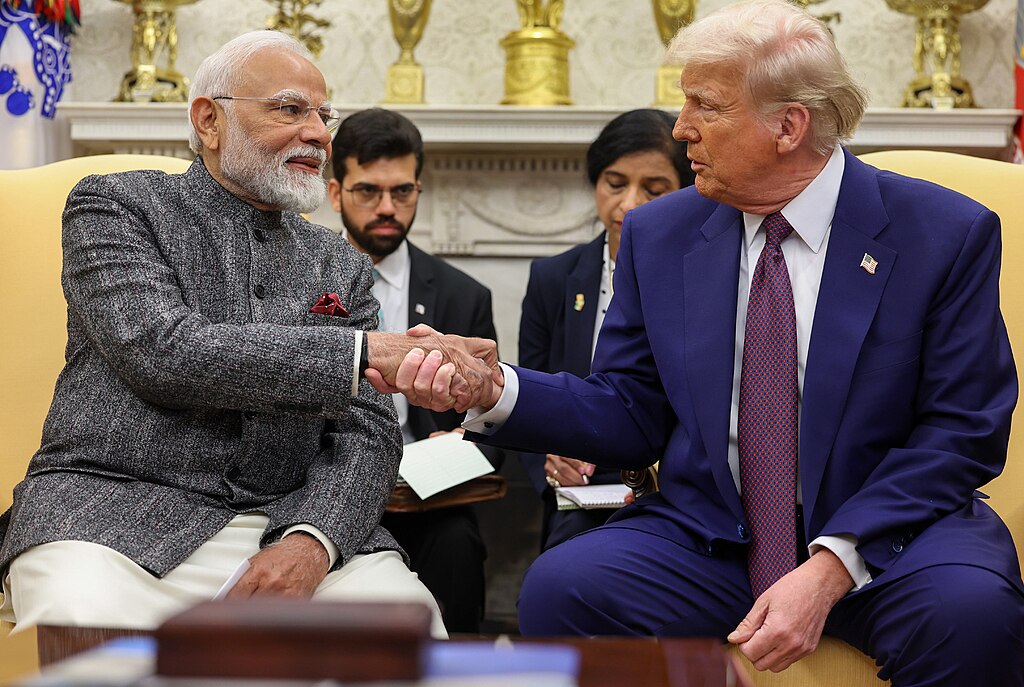
India has strongly criticized remarks describing the country as a “hellhole,” calling them “uninformed” and inappropriate, after U.S. President Donald Trump shared a transcript of a controversial radio segment on his Truth Social platform. The comments, originally made by conservative commentator Michael Savage on The Savage Nation, sparked backlash from Indian officials and political leaders, highlighting sensitivities in India-US relations.
According to the transcript posted by Trump, Savage made sweeping claims about immigration, suggesting that individuals from countries like India and China exploit birthright citizenship in the United States. He also alleged a lack of loyalty among modern immigrant communities, contrasting them with earlier European immigrants. While Trump did not add personal commentary to the post, India’s foreign ministry responded firmly.
Indian foreign ministry spokesperson Randhir Jaiswal stated that the remarks were “in poor taste” and did not reflect the reality of the strong and evolving India-US partnership. He emphasized that bilateral ties between the two nations are rooted in mutual respect, shared democratic values, and growing economic cooperation.
The controversy comes amid ongoing debates in the United States over immigration policy, including Trump’s directive to restrict birthright citizenship—a move currently being challenged in the U.S. Supreme Court. Trump recently attended a hearing related to the issue, underscoring its political significance.
The U.S. embassy in New Delhi sought to ease tensions, reiterating Trump’s earlier positive statements about India, calling it “a great country” led by a “very good friend.” Meanwhile, India’s opposition Congress party condemned the “hellhole” remark as offensive and urged Prime Minister Narendra Modi to formally protest.
With approximately 5.5 million people of Indian origin living in the United States, Indian Americans remain one of the largest and most influential immigrant groups. Despite occasional friction, including recent trade disputes and tariff concerns, both countries continue to work toward strengthening economic ties and finalizing a trade agreement aimed at boosting bilateral growth.







