


 Canada Unveils Bill to Fast-Track Major Resource Projects
  Appeals Court Rejects Trump Third-Country Deportation Policy
  US Northeast Airports Resume Operations After Telecom Outage Disrupts Thousands of Flights
  Vietnam Stocks Join FTSE Emerging Market Indexes, Unlocking Billions in Foreign Investment
  Bolivia Approves $1.9 Billion IMF Financing Deal
  U.S. Dollar Hits Eight-Week High After Fed Rate Hike
  US Resumes Immigrant Visa Processing for Hungary, Poland
  S&P 500 Historically Rallies After Midterm Elections, UBS Says
  Trump Grants Clemency to Jay-Z Associate Emory Jones
  Australia Tightens Student Visa Rules, Targets Migration Cut by 2028
  Australia Defends Social Media Algorithm Law Amid US Concerns
  U.S. Issues Cuba Health Alert as Illnesses Rise
  FDA Names Permanent Drug and Biologics Center Chiefs
  Saudi Arabia Shuts East-West Oil Pipeline After Drone Attack
  Yen Weakens as Dollar Gains on Widening US-Japan Rate Gap
  Europe Jet Fuel Deficit Drives South Korean Imports to Four-Year High


 Add as a preferred source on Google
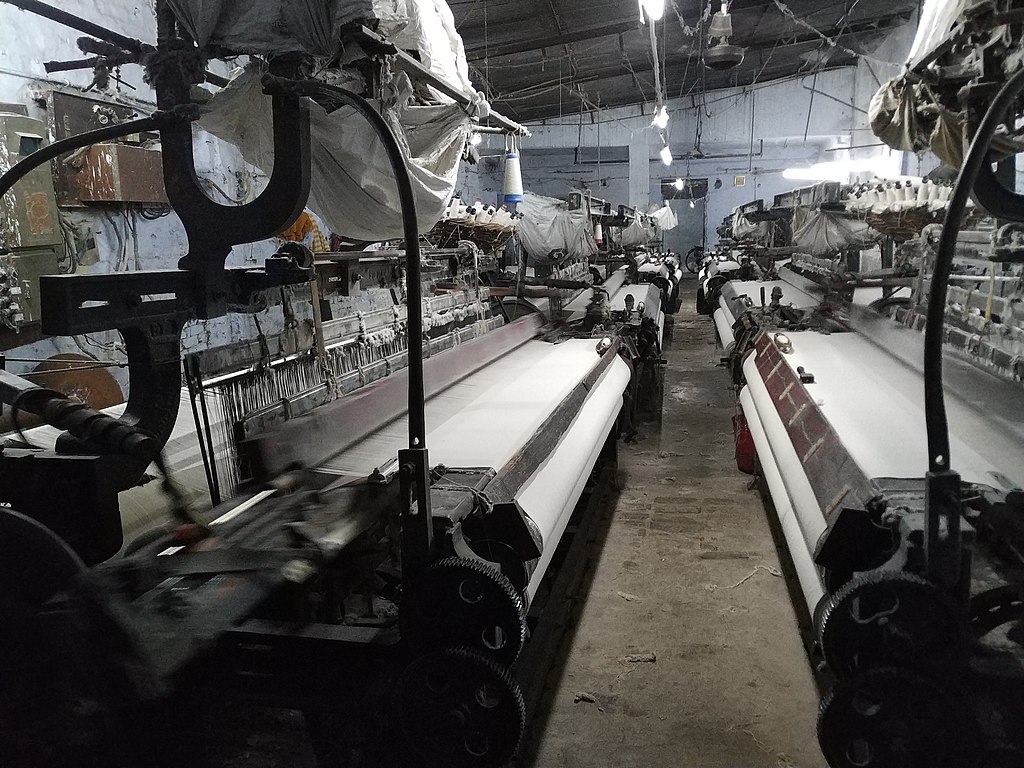
India is ending its $23 billion Production-Linked Incentive (PLI) scheme, aimed at boosting domestic manufacturing and reducing reliance on China, just four years after its launch. According to government sources, the initiative will not be extended beyond its initial 14 sectors, and deadlines will remain unchanged, despite company requests.
The PLI program, which attracted 750 firms—including Foxconn and Reliance Industries—offered cash incentives for meeting production goals. However, by October 2024, only $151.9 billion worth of goods had been produced—just 37% of the target—with under 8% of funds disbursed. Although mobile and pharmaceutical sectors saw growth, most others, including steel, solar, and textiles, underperformed.
The government touted $163 billion in output by November 2024 but did not confirm the program's future. Critics blame red tape and slow subsidy payouts for discouraging manufacturers. Notably, eight of twelve solar firms, including those linked to Adani, JSW, and Reliance, are unlikely to meet targets.
India’s manufacturing share in GDP has fallen from 15.4% to 14.3% since the scheme began, missing the goal of 25% by 2025. Analysts say the plan was a vital chance to position India as a global manufacturing hub during China’s COVID-era slowdown and amid U.S.-China tensions.
Some officials say the end of PLI doesn’t mean India is abandoning its manufacturing goals. Future alternatives may include reimbursing plant setup costs to offer faster returns. Experts, however, warn that missing this opportunity could hinder India's long-term industrial ambitions, especially as global trade competition intensifies.







