


 Central Banks Eye Gold, Reduce Dollar Exposure as AI Adoption Accelerates: OMFIF Survey
  Michael Burry Shorts Tesla at $416 as AI and Semiconductor Bearish Bets Expand
  South32 Sells Major Aluminium Assets to Alcoa in Deal Worth Up to $5.6 Billion
  Japan Targets 1%+ Real Economic Growth With ¥370 Trillion Investment Plan
  Lenovo Shares Slide as AI-Driven Memory Demand Signals Higher DRAM and NAND Prices
  NATO Albania Summit Faces Uncertainty as Trump, Defense Spending Concerns Loom
  Trump Urges Gasoline Retailers to Cut Prices to $2.50 Per Gallon, Warns of Legal Action
  China Sets 1.25% Overnight Reverse Repo Rate Below Market Expectations
  SoftBank Shares Slide as OpenAI IPO Delay Concerns Weigh on AI Investment Outlook
  Chip Stocks Rally as Samsung and SK Hynix’s $1.3 Trillion Investment Plan Boosts AI Optimism
  Asian Stocks End Strong Quarter as Dollar Surges, Yen Hits 40-Year Low Ahead of US Jobs Data
  Trump Questions Housing Bill as He Prioritizes SAVE America Act
  Nike Q4 Earnings Beat Estimates as Wholesale Growth Offsets Direct Sales Weakness
  Kawasaki Heavy Shares Slide on Report of ¥200 Billion Capital Raise Plan
  Economic pessimism has set in – but there are reasons for Australians to be hopeful
  Morgan Stanley Names BAE Systems Top European Defence Stock Despite Lower Price Target


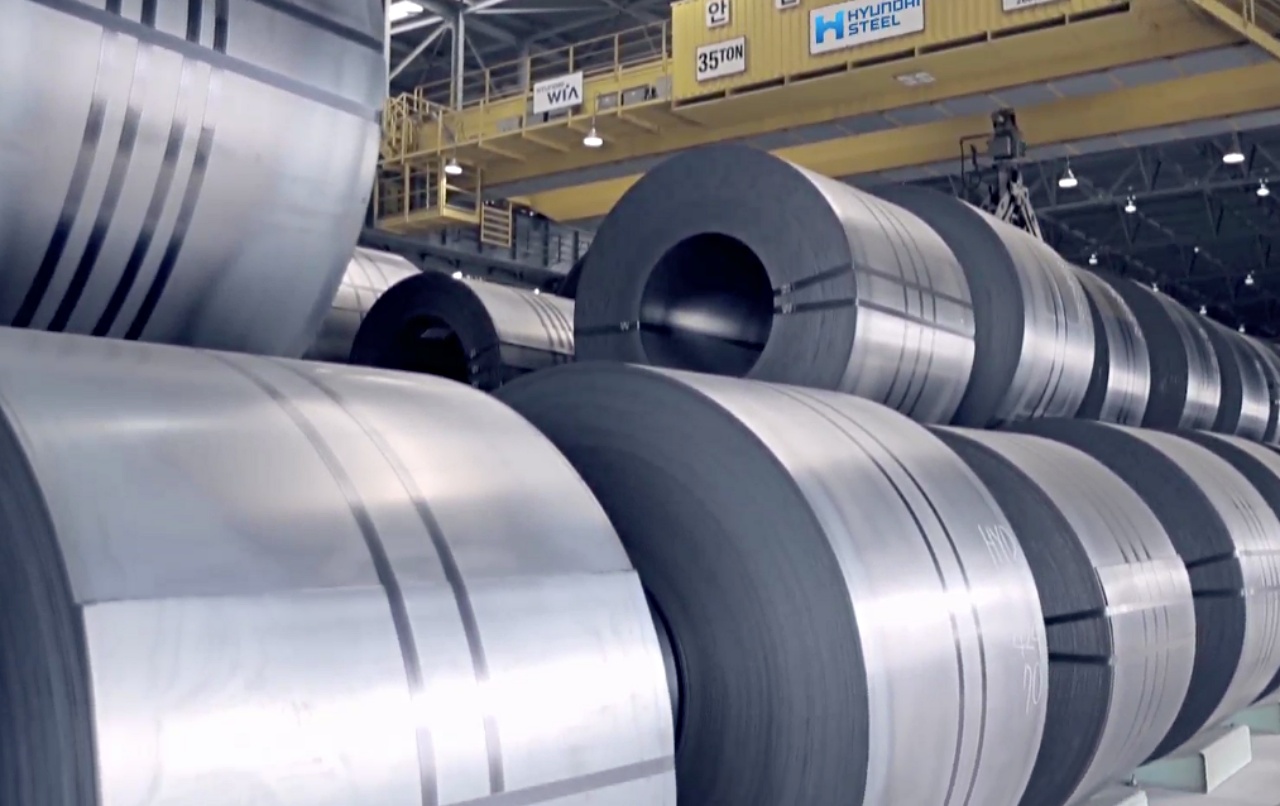
Hyundai Steel said last week it would unload its unit in China called the Hyundai Steel Beijing Process. The company said it made the decision due to slow sales in recent years in addition to the diminished market share of Hyundai Group’s auto manufacturing firms - Hyundai Motor and Kia Motors in China.
As per The Korea Herald, while Hyundai Steel is getting rid of its steel processing subsidiary, it will continue operating its Tianjin unit to keep its business in China going. It was said that the total assets owned by the South Korean steelmaker’s Beijing unit are estimated to be about KRW464.8 billion or $355 million.
Based on its regulatory filing, Hyundai Steel stated its total real estate assets are worth about KRW382.3 billion won. A company official said that the size of the deal is not yet on paper because the due diligence process for the acquisition has yet to start.
"Hyundai Steel has completed signing a memorandum of understanding with a potential buyer for the Beijing plant,” an official of Hyundai Steel said. “The company will soon engage in pre-acquisition due diligence and finish selling its Beijing unit during the first half."
It was in 2002 when Hyundai Steel Beijing Process was built on a site close to production plants owned by Hyundai Motor and Kia. The facility supplied various steel products to the said vehicle factories.
Until 2016, the Beijing unit has been posting an annual operating profit between KRW10 billion and KRW20 billion. However, when China and South Korea’s economic relationship soured due to the latter’s deployment of the US THAAD anti-missile system, the company’s performance started to decline, and sales of Hyundai Motor and Kia cars also dropped in the process.
The carmaker’s share in the Chinese car market went down from 3.59% to 3.43% percent in 2019, and this continued to plummet until it reached 1.21% last year. Kia’s record fell from 1.68% in 2018 to 0.43% in 2022.
The Korea Times stated that the rapid losses also resulted in the decline of sales for the Hyundai Steel Beijing Process. It posted a net loss of KRW49.6 billion in 2021. Meanwhile, the poor performance of the steel firms was partly blamed on China's boosted capability to make its own steel materials and sell them at a lower price.







