


 European Stocks Fall as Bond Yields and Geopolitical Risks Weigh
  Erste Group Plans Tender Offer to Boost Poland Bank Stake
  U.S. Dollar Hits Two-Month High as Oil, Treasury Yields Surge
  Oil Prices Fall on U.S.-Iran Hormuz Deal Hopes
  Asian Currencies Mixed as Dollar Holds Near Two-Month High
  AMD Hits $1 Trillion as BofA Raises Price Target to $720
  Fed’s Hammack Says Bond Yield Surge Is Not Driven by Inflation Fears
  SMBC Eyes 20% VPBank Stake in Vietnam Expansion
  SpaceXAI to Double Nvidia Chips at Colossus 2 by Year-End
  Fed Unveils Stablecoin Rules Under GENIUS Act
  China Agrees to Buy 20 Million Tons of U.S. Coal
  U.S. Treasury Yields Surge as 30-Year Hits 22-Year High
  DaVoice Sues Perplexity AI Over Trade Secrets
  BlackBerry Shares Rise as Q2 Earnings, Revenue Beat Estimates
  US Comfortable With Canada Trade Standoff as Import Bans Loom
  Solidigm Eyes $150 Billion IPO as SK Hynix Expands AI Storage Push
  Gold Holds Near $4,275 as Rising Treasury Yields Fuel Fed Rate Hike Bets


 Add as a preferred source on Google
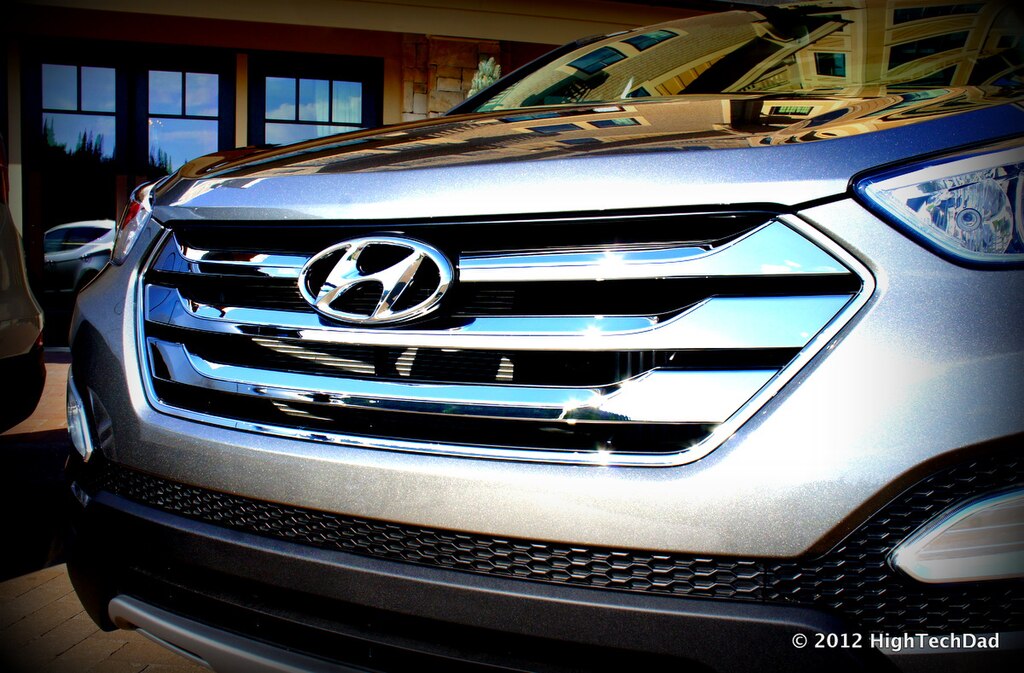
Hyundai Motor has confirmed it holds a rare earths inventory sufficient for approximately one year, easing concerns over potential supply disruptions from China’s tightening export controls. The update came during a recent private investor call, according to a participant who spoke on condition of anonymity.
China, which supplies around 90% of the world’s rare earths, imposed new restrictions in April on exports of rare earths and magnets—materials vital to electric vehicle (EV) motors, semiconductors, and defense equipment. The move has strained global supply chains, impacting automakers like Ford and BMW. However, Hyundai, the world’s third-largest automaker alongside its affiliate Kia, appears better positioned than many competitors.
A Hyundai investor relations representative reportedly told participants the automaker had “far more wiggle room” than others, crediting its supply chain diversification and improved procurement strategies. The company had notably increased its rare earths inventories earlier this year when China briefly relaxed its export rules.
While Hyundai declined to comment on inventory specifics, it emphasized in a statement that it “continuously evaluates market conditions” and maintains appropriate inventory levels to ensure uninterrupted EV and hybrid vehicle production.
Industry insiders also confirmed Hyundai holds a one-year supply of rare earths-related magnets critical to EVs and hybrids. It remains unclear whether this inventory is held solely by Hyundai and Kia or includes reserves from suppliers.
This strategic stockpiling effort comes amid escalating U.S.-China trade tensions, with rare earths emerging as a key leverage point for Beijing. As trade talks between the U.S. and China resumed in London, the automotive industry continues to monitor rare earth availability, a critical factor in maintaining EV production and global competitiveness.







