


 Prudential Financial Reports Higher Q4 Profit on Strong Underwriting and Investment Gains
  SoftBank Shares Slide After Arm Earnings Miss Fuels Tech Stock Sell-Off
  FDA Targets Hims & Hers Over $49 Weight-Loss Pill, Raising Legal and Safety Concerns
  Once Upon a Farm Raises Nearly $198 Million in IPO, Valued at Over $724 Million
  TrumpRx Website Launches to Offer Discounted Prescription Drugs for Cash-Paying Americans
  Uber Ordered to Pay $8.5 Million in Bellwether Sexual Assault Lawsuit
  Weight-Loss Drug Ads Take Over the Super Bowl as Pharma Embraces Direct-to-Consumer Marketing
  Missouri Judge Dismisses Lawsuit Challenging Starbucks’ Diversity and Inclusion Policies
  Global PC Makers Eye Chinese Memory Chip Suppliers Amid Ongoing Supply Crunch
  Alphabet’s Massive AI Spending Surge Signals Confidence in Google’s Growth Engine
  Ford and Geely Explore Strategic Manufacturing Partnership in Europe
  Toyota’s Surprise CEO Change Signals Strategic Shift Amid Global Auto Turmoil
  Instagram Outage Disrupts Thousands of U.S. Users
  Nvidia, ByteDance, and the U.S.-China AI Chip Standoff Over H200 Exports
  American Airlines CEO to Meet Pilots Union Amid Storm Response and Financial Concerns
  Amazon Stock Rebounds After Earnings as $200B Capex Plan Sparks AI Spending Debate


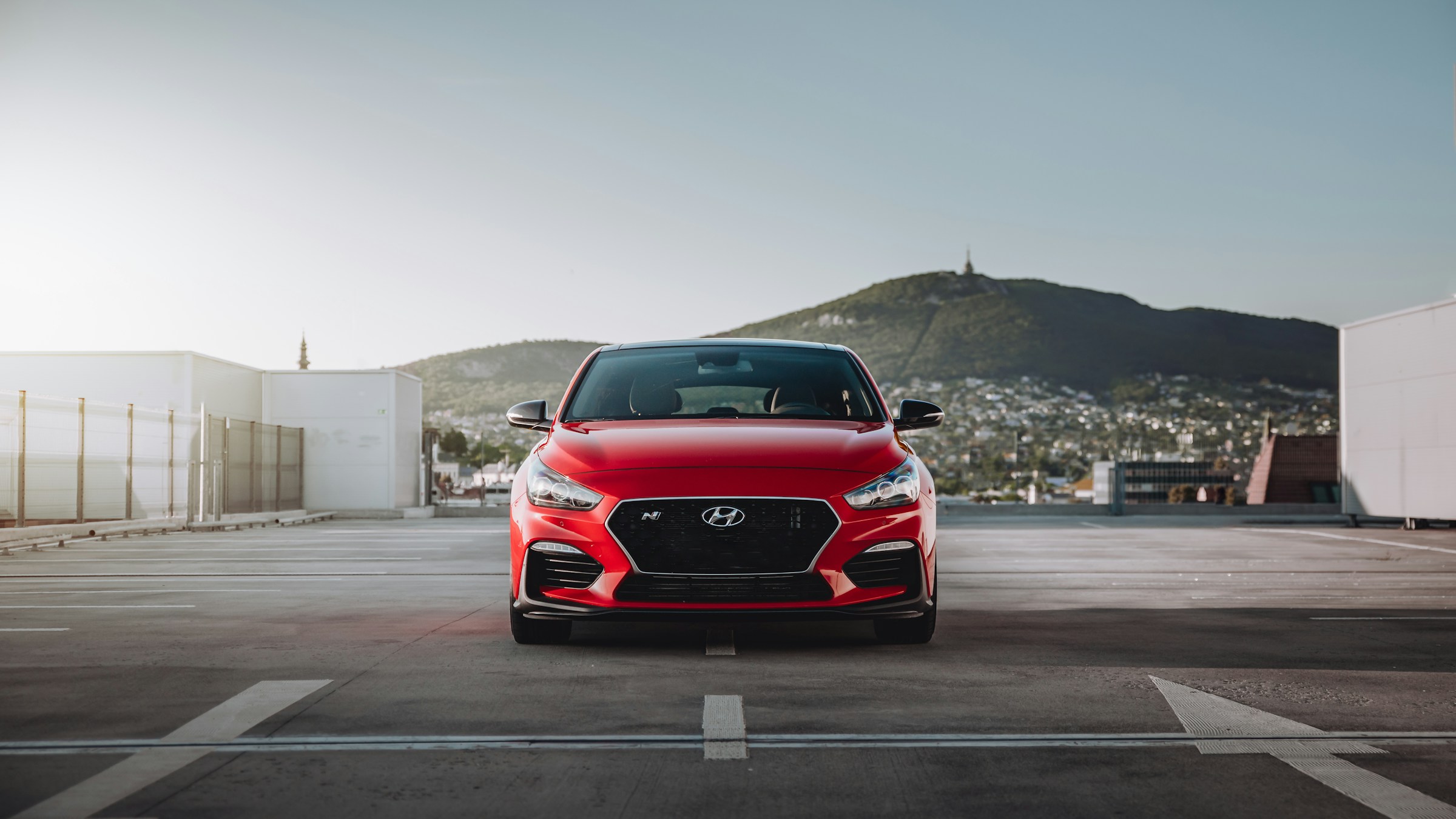
Hyundai Motor plans to invest $1.1 billion in Brazil by 2023, focusing on eco-friendly mobility advancements and technological developments. The automaker aims to align with Brazil's carbon neutrality policy, developing vehicles tailored for the local market and establishing a dedicated hydrogen business division.
Strengthening Collaboration for Sustainable Mobility
According to Korea Times, Executive Chair Chung Euisun met with Brazilian President Luiz Inacio Lula da Silva to enhance collaboration opportunities. The automaker's commitment to the region is driven by Brazil's demographic growth potential, with sales exceeding 187,800 vehicles in 2022 alone, capturing nearly 10% of the automotive market.
Emphasizing the importance of innovation, Hyundai Motor will be allocating a significant portion of the $1.1 billion investment to expand its Research and Development (R&D) facilities in Brazil. This strategic move aims to bolster the local automotive industry's capability to design and innovate, ensuring that the next generation of eco-friendly vehicles is not only environmentally sustainable but also resonates with the preferences and needs of Brazilian consumers.
Hyundai's investment, the Korea Herald noted, is expected to generate substantial employment opportunities and skill development in the region, further contributing to Brazil's economic growth and technological prowess in the green mobility sector.
Fostering a Skilled Workforce
In concert with their R&D expansion, Hyundai Motor is set to launch comprehensive training programs in Brazil focused on advancing the skills of local engineers and technicians in eco-friendly automotive technologies. These programs are tailored to equip participants with the knowledge and tools necessary to excel in a rapidly evolving industry, thereby shaping a workforce that can adeptly respond to future mobility challenges.
Hyundai's initiative underscores its investment in technology and the people that will drive Brazil's sustainable transformation.
Building Local Supply Chains
Hyundai Motor is also channeling efforts into establishing robust local supply chains to solidify its commitment to sustainability and economic support in Brazil. By sourcing materials and parts through domestic providers, Hyundai reduces its carbon footprint through shortened logistics and stimulates local businesses and job creation.
This locally-focused approach aligns with global trends towards more responsible manufacturing. It ensures greater resilience and agility in production, capacitating Hyundai to adapt swiftly to market shifts and consumer demands.
Photo: Martin Katler/Unsplash













