


 Asian Currencies Steady as Dollar Holds Firm After U.S. Inflation Data
  How is Antarctica melting, exactly? Crucial details are beginning to come into focus
  GesiaPlatform Launches Carbon-Neutral Lifestyle App ‘Net Zero Heroes’
  Swimming in the sweet spot: how marine animals save energy on long journeys
  Ukraine minerals deal: the idea that natural resource extraction can build peace has been around for decades
  S&P 500 Retreats From Record High as AI Stocks Slide, Retail Sales Disappoint
  Antofagasta Shares Drop 5% as Miner Cuts 2026 Copper Production Forecast
  As the Black Summer megafires neared, people rallied to save wildlife and domestic animals. But it came at a real cost
  Gold Prices Slip From Two-Month High as Inflation and Fed Outlook Drive Markets
  Thousands of satellites are due to burn up in the atmosphere every year – damaging the ozone layer and changing the climate
  An unexpected anomaly was found in the Pacific Ocean – and it could be a global time marker
  What’s so special about Ukraine’s minerals? A geologist explains
  Tesla Roadster Reveal Could Feature SpaceX Thrusters in August
  US Dollar Slips as Weak Retail Sales Reduce Fed Rate Hike Bets
  How ongoing deforestation is rooted in colonialism and its management practices


 Add as a preferred source on Google
Despite hurdles posed by the Inflation Reduction Act, Hyundai Motor Co. and its affiliate Kia Corp. saw a 5.9% rise in U.S. EV sales from January to June compared to the previous year. This growth, confirmed by the Korea Automobile & Mobility Association (KAMA), comes amidst a decline in market share and increased competition from domestic manufacturers. However, introducing new models and improving chip supply have contributed to wider market growth.
These EV sales encompass various types, including battery electric vehicles (BEVs), plug-in hybrid electric vehicles (PHEVs), and hydrogen fuel-cell electric vehicles (FCEVs). However, it is worth noting that the market share of the two South Korean carmakers in the U.S. EV market has declined to 7 percent in the first half of this year compared to 10.5 percent a year ago, as stated in KAMA's release.
Nonetheless, the global push toward electrification has contributed to the overall growth of the EV market in the United States. Bolstered by an improved chip supply and the introduction of new models, 655,699 EVs were sold in the first half of this year, representing a remarkable 25 percent increase from the previous year.
Hyundai and Kia's EV models, specifically the Ioniq 5 and EV6, have secured their spot among the top 10 bestselling EVs in the U.S., alongside notable competitors such as Tesla Inc., General Motors Co., Volkswagen Group, and Ford Motor Co. Beyond EV sales, Hyundai and Kia have experienced a substantial overall increase in vehicle sales during the January-June period. The combined sales, including EVs, soared by 17 percent compared to the previous year, reaching 820,180 autos.
The Inflation Reduction Act signed into law by U.S. President Joe Biden has created additional hurdles for Hyundai Motor Group's EV sales in the U.S. market. This legislation provides tax credits of up to US$7,500 exclusively to EVs manufactured in North America, raising concerns about the competitiveness of Hyundai and Kia, which primarily produce EVs domestically for export to the U.S.
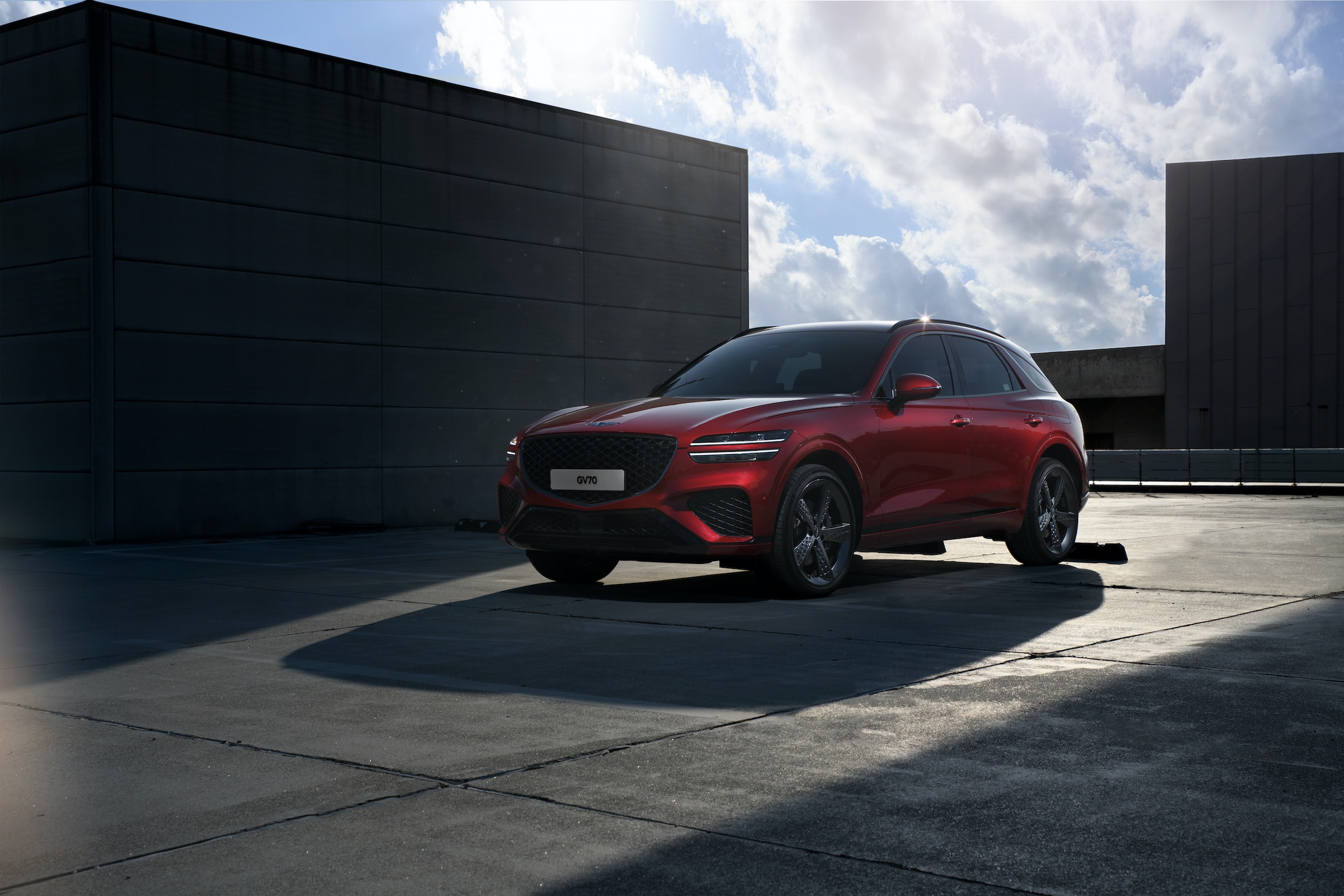
Nevertheless, Hyundai Motor Group is adapting to this changing landscape by constructing its dedicated EV and battery plant in Georgia, with plans to commence production in the first half of 2025. Additionally, Hyundai Motor's introduction of all-electric GV70 SUVs at its Alabama plant under its independent Genesis brand highlights its commitment to the EV market.
Despite the evolving challenges and increased competition, Hyundai and Kia remain a formidable force in the global automotive industry, currently ranking as the world's third-largest carmaker by sales, following Toyota Motor Corp. and Volkswagen Group.
Photo: Hyundai Motor Group/Unsplash







