


 Japan Bond Yields Top 3% as Inflation, Fiscal Risks Rise
  Canada Backs €100 Billion Global Defence Bank
  Luxshare Shares Rise as First-Half Profit Jumps 18%
  Trump Secures Drug Pricing Deals With Nine Pharma Companies
  Ukraine Sanctions Chief Heads to Washington to Push Russia Bill
  Asian Stocks Tumble as Oil Surge Fuels Rate Hike Fears
  Jefferies Names AMEC Top China Semiconductor Equipment Pick
  Asian Stocks Fall as Fed Rate Hike Bets and Iran Conflict Rattle Markets
  SpaceX Mobile Network Could Cost Up to $130 Billion, Bernstein Says
  Lenovo Shares Fall After Dropbox Security Breach Exposes ID Vulnerability
  BofA Names ASML Top Semiconductor Equipment Pick on Growth, Valuation
  U.S. Disrupts China-Linked Hacking Campaign Targeting Government Agencies
  Shein Shares Slide 9% in Hong Kong IPO Debut
  Apple’s Phil Schiller Steps Back as Leadership Shake-Up Accelerates
  Nvidia Pauses AI Cloud Financing Deals Amid Antitrust Concerns
  Amazon Shares Fall as FTC Plans Ad Pricing Lawsuit


 Add as a preferred source on Google
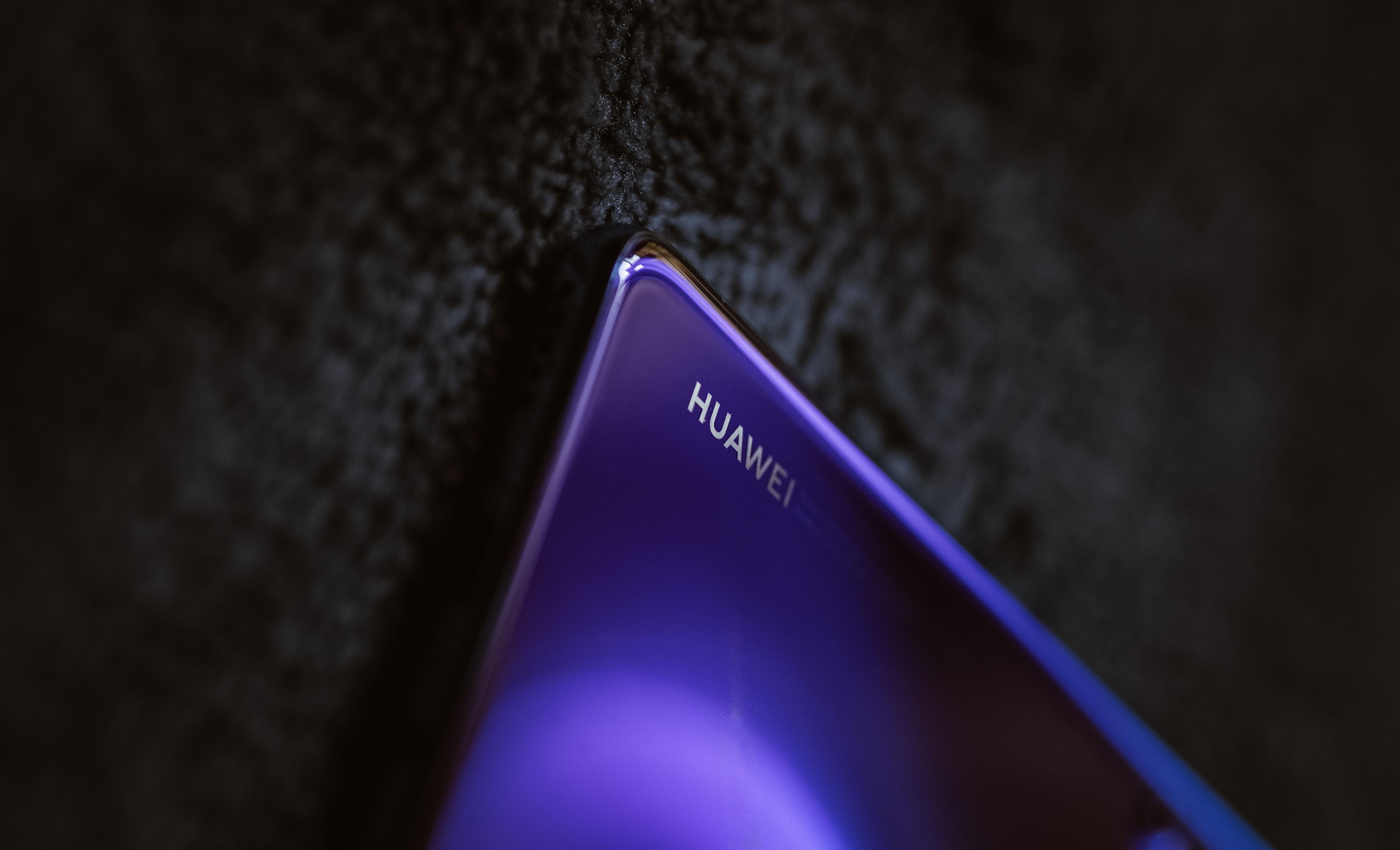
According to analysts, Huawei Technologies recently made a chip manufacturing breakthrough, highlighting China's capacity for retaliation against U.S. sanctions. It unveiled its latest Mate 60 Pro smartphone during U.S. Commerce Secretary Gina Raimondo's China visit.
The Mate 60 Pro is equipped with Huawei's proprietary Kirin 9000s chip, manufactured by top contract chipmaker SMIC using advanced 7nm technology. A teardown conducted by TechInsights revealed the phone's impressive performance, signaling China's progress in developing high-end chips despite U.S. efforts to impede their access to advanced chipmaking tools.
TechInsights analyst Dan Hutcheson said the breakthrough demonstrates the technical progress China's semiconductor industry has been able to make without EUV tools. The achievement also highlights the resilience of China's chip manufacturing ability. Extreme ultraviolet lithography, which is used for making 7nm or more advanced chips, has been restricted.
Jefferies analysts warned that TechInsights' findings could lead to a probe from the U.S. Commerce Department's Bureau of Industry and Security. The report could also fuel more debate in the U.S. regarding the effectiveness of sanctions and potentially result in even harsher tech sanctions against China.
The U.S.-China tech war is expected to escalate further, with Congress preparing a competition bill against China that may include stricter sanctions. Previously, SMIC, which collaborated with Huawei for the Mate 60 Pro chip, was limited to producing 14nm chips after being denied access to EUV machines.
However, TechInsights reported that SMIC could manufacture 7nm chips by modifying existing DUV machines from Dutch firm ASML. Some analysts speculate that Huawei may have acquired the necessary technology and equipment from SMIC to produce the chip.
China's success in chip manufacturing serves as a significant geopolitical challenge to countries attempting to restrict its access to critical manufacturing technologies. The result may be further restrictions on China's advancement in chipmaking.
The Chinese government is also preparing to invest a significant amount, $40 billion, to strengthen its chip sector. The U.S.-China tech war is expected to intensify as sanctions and countermeasures continue to shape the landscape of global technology competition.
Photo: Omid Armin/Unsplash







