


 ICC Rules Duterte Fit to Stand Trial in Drug War Case
  US-Led Coalition Targets Global Factory Overcapacity
  US Suspends Microsoft, Adobe From Green Card Program
  US-Taiwan Ties Remain Strong as Taipei Urges Timely Arms Deliveries
  Zelenskiy Slams US Over Deadly Russian Strikes on Ukraine
  Saudi Arabia Probes Flydubai Cockpit Attack
  US, Greece Launch New Counterterrorism Security Program
  Trump Rallies in Texas as Republicans Face Tight Midterm Races
  Saudi Airport Attacks Kill Three as Yemen Fighting Escalates
  RFK Jr. Launches Nationwide Vaccine Safety Review
  Trump Backs Florida Golf Course as Presidential Retreat
  Hegseth Praises USS Abraham Lincoln Crew After Record Iran War Deployment
  Trump Weighs FBI Probe Into Nolan Wells’ Death
  Trump Says He Deserves 2026 Nobel Peace Prize Despite Uncertain Chances
  Tsai Warns of China’s Sustained Pressure on Taiwan
  Italy Approves Electoral Reform Ahead of 2027 Election
  Marco Rubio Warns Russia-Ukraine War Could Spark Wider Conflict


 Add as a preferred source on Google
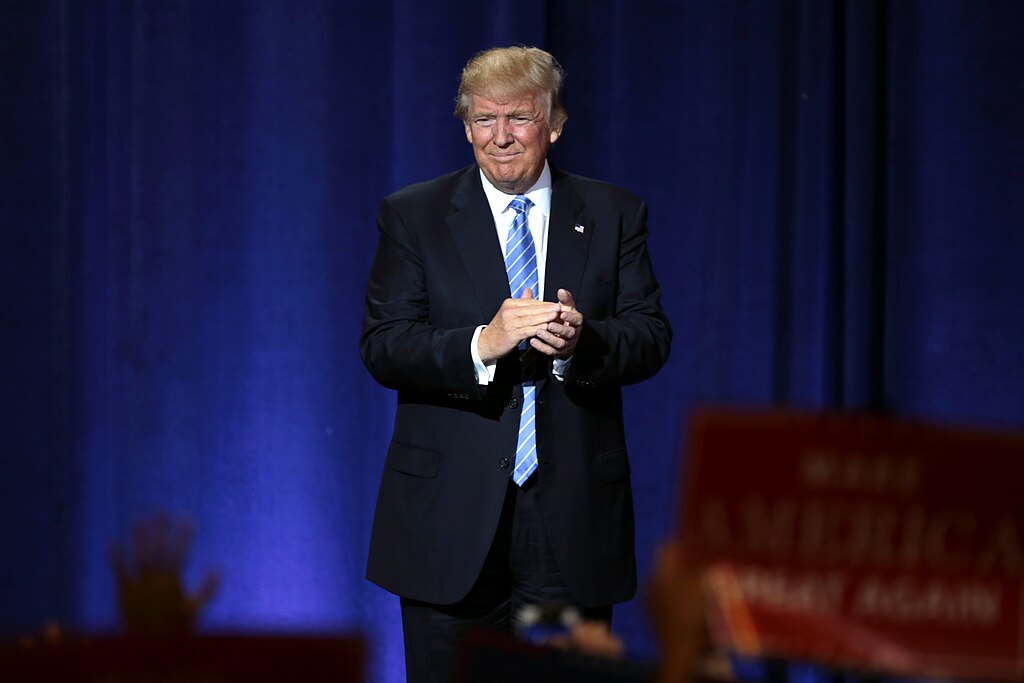
As President-elect Donald Trump prepares to re-enter the White House in 2025, one of his key promises centers on enhancing disaster warning systems nationwide. With natural disasters becoming increasingly frequent and severe, Trump has pledged to overhaul existing protocols to ensure faster, more effective alerts, aiming to save lives and reduce property damage.
During his campaign, Trump highlighted the deficiencies exposed by recent disasters, including hurricanes, wildfires, and tornadoes, which caused billions of dollars in damage. Critics and experts agree that while improvements are necessary, Trump’s ambitious plans may face significant challenges.
Planned Upgrades to Disaster Warning Systems
Trump’s proposed enhancements focus on leveraging advanced technology and streamlining communication between federal, state, and local agencies. According to his transition team, the strategy includes:
- Satellite Modernization: Updating the fleet of weather-monitoring satellites to provide real-time data and more accurate forecasts.
- AI Integration: Using artificial intelligence to predict disaster patterns and deliver precise warnings tailored to specific communities.
- Cellular Alerts: Expanding the Wireless Emergency Alert system to include multilingual options and customizable notifications for individual users.
- Community Outreach: Implementing educational programs to teach the public how to respond to various disasters effectively.
The Federal Emergency Management Agency (FEMA) will play a central role in these initiatives, with increased funding expected in Trump’s first budget proposal.
“Our goal is to create a disaster response system that not only warns but empowers citizens to act swiftly,” a Trump spokesperson stated.
Challenges to Implementation and Public Reaction
While Trump’s plan has garnered praise from supporters, critics are skeptical about its feasibility. Analysts cite potential obstacles, such as budget constraints, technological hurdles, and coordination among various government entities.
Public sentiment remains divided, as reflected in reactions across social media platforms:
- @DisasterPrepGuru: “Finally, a leader addressing the disaster warning crisis! Let’s see if Trump can deliver on this promise.”
- @SkepticSurvivor: “Trump talks a big game, but where’s the funding coming from? More empty promises?”
- @TechForGood: “Using AI for disaster warnings could be a game-changer if implemented right. Fingers crossed!”
- @ClimateActionNow: “How about addressing climate change first? No warning system will save us if disasters keep escalating.”
- @EmergencyResponder2024: “As someone on the ground, I can say we need this overhaul ASAP. Hope it’s not all talk.”
- @CivicObserver: “Multilingual alerts? That’s a great idea. About time we catered to everyone in emergency situations.”
Critics also point out Trump’s mixed record on environmental policies, which some argue contributes to worsening disaster scenarios.
Balancing Ambition and Realism
Despite skepticism, Trump’s focus on disaster preparedness could address longstanding concerns about the nation’s ability to respond to emergencies. His administration will need to strike a balance between ambitious goals and practical implementation, ensuring public confidence in the revamped systems.







