


 Mexico-US Trade Talks Delayed to October as Tariff Negotiations Continue
  Blue Origin New Glenn Explosion Could Delay Launch Operations Until 2028
  NASA's Artemis II Crew Arrives in Florida for Historic Moon Mission
  France Keeps Top Health Alert as Officials Brace for Another Heatwave
  Eli Lilly Eyes AtaiBeckley Acquisition to Expand Psychedelic Mental Health Pipeline
  SpaceX Prioritizes Moon Mission Before Mars as Starship Development Accelerates
  Sudan Rejects US Legitimacy Remarks, Defends Sovereignty
  Europe Warns Russia Is Escalating Hybrid Attacks Across NATO
  Kremlin Says No Grounds Yet for Ukraine Peace Talks
  Should I take zinc or eat oysters to ward off colds, boost my immune system or improve fertility?
  FDA Pilot Program Eases Rules for Nicotine Pouch Makers
  Novo Nordisk Raises 2025 Outlook Despite Wegovy Pill Miss and CagriSema Setback
  Ghana Says Western Support Growing for Slave Trade Reparations
  Trump Administration Bars U.S. Travelers From Congo Flights Amid Ebola Outbreak
  Hims & Hers Shares Fall as GLP-1 Costs Widen Q2 Loss
  3 clinical-grade skincare creams you really shouldn’t buy online


 Add as a preferred source on Google
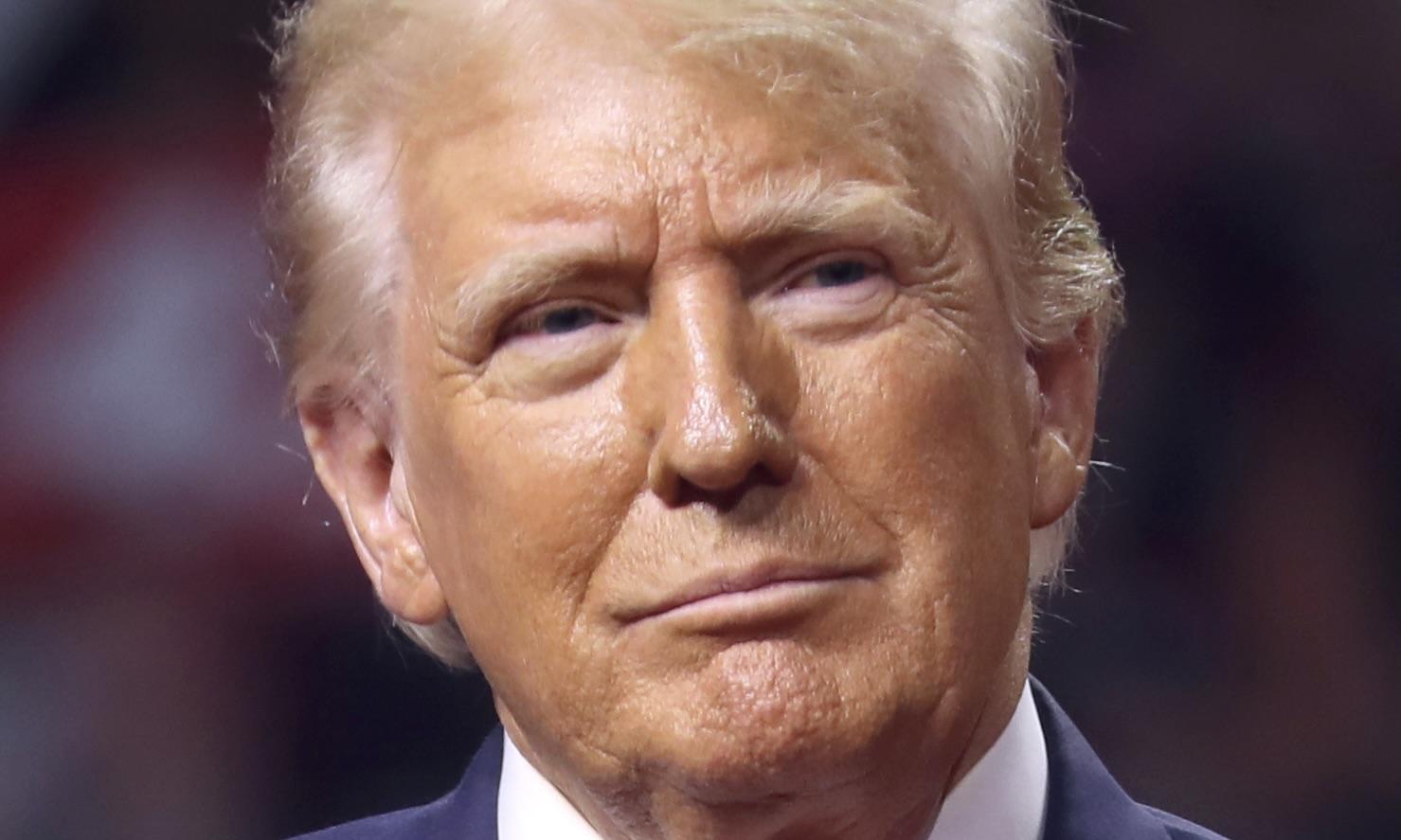
President-elect Donald Trump has announced a major initiative to prioritize funding for cancer research in 2025, pledging billions in federal support to combat one of the world’s leading causes of death. The plan includes increased funding for clinical trials, advanced treatment technologies, and research into rare and aggressive cancers.
In a recent statement, Trump emphasized his administration’s commitment to achieving breakthroughs in cancer treatment, positioning the effort as a top national priority. The initiative builds on existing programs but promises to streamline research grants, enhance public-private partnerships, and boost the recruitment of top scientists to U.S. institutions.
“Our goal is to make cancer treatments accessible and effective for all Americans,” a campaign spokesperson said. However, critics argue that the plan lacks details on equitable distribution of resources and transparency in funding allocation.
Key Components of the Cancer Research Initiative
Increased Federal Funding and Private Partnerships
Trump’s plan proposes a significant boost in federal funding for cancer research, with a focus on innovative therapies like immunotherapy and precision medicine. By leveraging public-private partnerships, the administration aims to accelerate the development of life-saving treatments. The plan also includes tax incentives for pharmaceutical companies investing in cancer breakthroughs.
Expansion of Clinical Trials and Rare Cancer Studies
The initiative places a special emphasis on rare and aggressive cancers, which often receive less attention due to limited patient populations. Trump’s administration intends to expand clinical trials to reach underserved communities, ensuring broader access to experimental treatments.
Social Media Reactions to Trump’s Cancer Research Plan
The announcement has ignited widespread reactions on social media, with many praising the focus on healthcare and others questioning the feasibility of the plan:
- @HealthAdvocate: “Finally, cancer research is getting the attention it deserves! Let’s hope this brings real change. #CancerBreakthrough”
- @PolicySkeptic: “Sounds great on paper, but will these funds actually reach the researchers who need them most?”
- @OncologyExpert: “Boosting research for rare cancers? This could be transformative for the field. Looking forward to more details.”
- @CitizenRealist: “Trump’s promises are always big, but the follow-through? Not so much. Let’s wait and see.”
- @AccessForAll: “Clinical trials for underserved communities? Long overdue! But will it really happen?”
- @PharmaWatcher: “Tax incentives for pharma? Sure, but let’s not forget accountability. Profits shouldn’t outweigh public health.”







