


 Columbia Student Mahmoud Khalil Fights Arrest as Deportation Case Moves to New Jersey
  Salesforce Shares Surge as AI Demand Powers Q2 Earnings Beat
  Locked up then locked out: how NZ’s bank rules make life for ex-prisoners even harder
  Asian Currencies Mixed as Dollar Holds Firm Ahead of Jackson Hole
  The Beauty Beneath the Expressway: A Journey from Self to Service
  Nvidia Revenue Soars 106% as AI Demand Hits ‘Inflection Point’
  Britain has almost 1 million young people not in work or education – here’s what evidence shows can change that
  Want to cut your energy bills? Here’s how five experts are doing it
  Google Expands Gemini Enterprise With AI Tools for Legal Sector
  Gold Prices Rise Toward $4,650 Ahead of Warsh’s Jackson Hole Speech
  Debate over H-1B visas shines spotlight on US tech worker shortages
  Can your cat recognise you by scent? New study shows it’s likely
  Google promotes ‘teacher approved’ apps for kids. Here’s what parents should know
  Trump Administration Plans New Drug Pricing Deals With Biotech Firms
  Why financial hardship is more likely if you’re disabled or sick
  SEC Probes Banks Over Situational Awareness Hedge Fund Collapse
  Yindjibarndi Appeals Fortescue Mining Compensation Ruling


 Add as a preferred source on Google
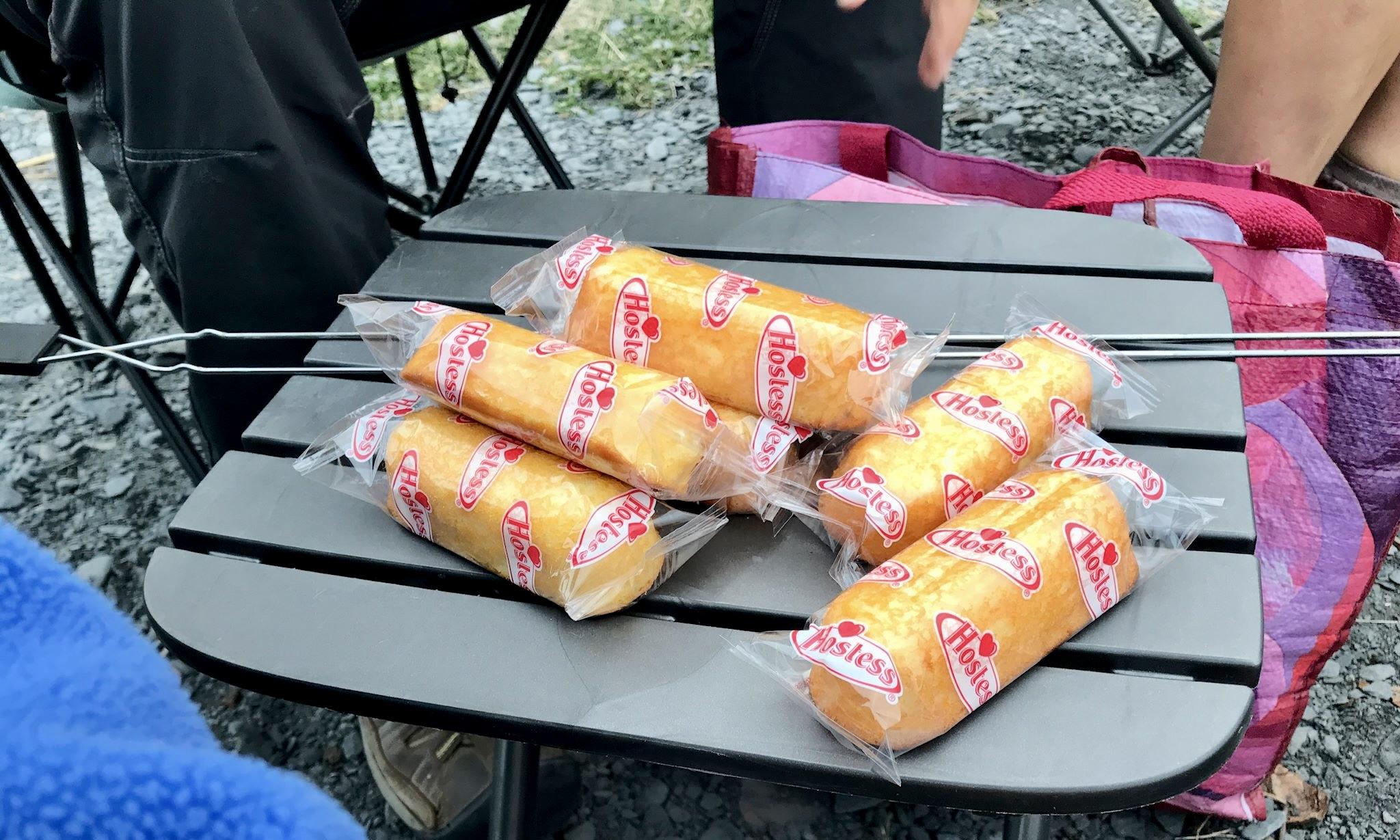
Hostess Brands Inc., the iconic maker of Twinkies, is reportedly contemplating a sale following interest from major snack industry giants, including General Mills and PepsiCo. Insider sources hint at active negotiations, with shares surging 26% upon the news.
The decision to explore a sale comes after Hostess recently implemented price increases on select products, aiming to drive revenue growth. This move, however, has raised concerns among investors regarding the company's prospects.
Several prominent corporations, including General Mills Inc., Mondelez International Inc., PepsiCo Inc., and Hershey Co., have expressed keen interest in acquiring Hostess and its coveted portfolio of iconic household brands. To navigate the complexities of the deal negotiations, Hostess has enlisted the guidance of renowned investment bank Morgan Stanley.
While the negotiations are still underway and no agreement has been reached, sources have requested anonymity due to the confidential nature of the discussions. Hostess and Hershey declined to comment on the matter, while queries to General Mills, Mondelez, PepsiCo, and Morgan Stanley are yet to be answered.
As news of the potential sale broke, Hostess' shares experienced a remarkable upswing of 26% in Friday afternoon trading, reaching $27.89, propelling the company's market value to almost $4 billion. However, it is important to note that, as of June, Hostess carried a significant debt net of cash, amounting to approximately $900 million.
Founded in 1930 and headquartered in Lenexa, Kansas, Hostess boasts an impressive lineup of beloved brands, including the iconic Ho-Hos, Ding Dongs, Zingers, and Voortman cookies and wafers.
Despite enduring bankruptcies in 2004 and 2012, the company has undergone substantial transformation under the leadership of entrepreneur Dean Metropoulos and private equity firm Apollo Global Management Inc.
By the close of 2020, Hostess had achieved a major milestone, generating over $1 billion in revenue through portfolio revitalization efforts. Hostess has managed to sustain revenue growth by implementing selective price adjustments as sales volumes fluctuated. In the second quarter, the company reported a year-on-year increase in net revenue, reaching $352.4 million, with gross profit surging by 11.8% to $126.0 million.
Photo: sf-dvs/Flickr(CC BY 2.0)







