


 Former OpenAI Data Center Chief Chris Malone Joins Nvidia
  Oil Prices Ease as Iran Tensions Clash With Diplomacy Hopes
  Judge Blocks Trump Rule Limiting Foreign Student Visas
  Sara Duterte Posts Bail Over Grave Threats Case
  Novo Nordisk Raises 2025 Outlook Despite Wegovy Pill Miss and CagriSema Setback
  US Backs Musk in Fight Against EU’s €120 Million X Fine
  Oracle Shares Fall as New Mexico AI Data Center Faces Power Delays
  Asian Stocks Fall as Surging Bond Yields Rattle Markets
  Erste Group Plans Tender Offer to Boost Poland Bank Stake
  France Defends Netanyahu Airspace Clearance Despite ICC Warrant
  Fed Unveils Stablecoin Rules Under GENIUS Act
  Asian Stocks Fall as Bond Yields Surge Ahead of Trump-Xi Summit
  Costco Revenue Beats Estimates as Inflation Drives Bulk Shopping
  Rodrigo Duterte Makes First Public Appearance at ICC in 18 Months
  AMD Hits $1 Trillion as BofA Raises Price Target to $720
  US Court Approves airBaltic Chapter 11 Restructuring
  Novartis Shares Plunge After Muscle Drug Fails Phase III Trial


 Add as a preferred source on Google
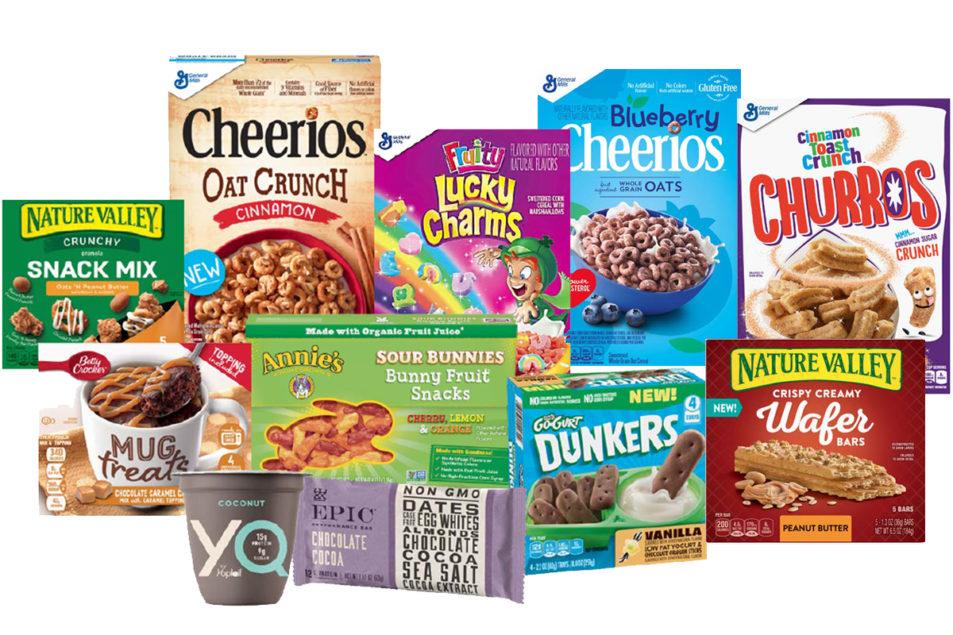
Packaged food corporations like Hostess, Mondelēz, General Mills, PepsiCo, and Coca-Cola, as represented by the Consumer Brands Association, are implying that they may sue the Food and Drug Administration (FDA) for its proposal of what would be deemed “healthy.”
The FDA put out the guidelines in September, arguing that to be marketed as “healthy,” foods would have to include a certain amount of key nutritious ingredients, like fruits and vegetables, and have little added sugar, sodium, and saturated fat.
While the FDA’s proposal would not ban unhealthy foods, those that don’t meet the standard couldn’t be labeled as healthy.
In a 54-page comment, the CBA says the FDA regulation infringes on food companies’ First Amendment rights.
The CBA argued that limiting the truthful and non-misleading use of the word ‘healthy’ in product labeling could harm both the consumer and the manufacturer.”
The CBA added that the FDA may not have the legal authority to set such a strict limit on added sugar due to a “lack of scientific consensus on the relationship between sugar intake and diet-related disease.”
Other food groups are also raising a howl against FDA’s proposal.
SNAC International, which represents chip makers Frito-Lay and Utz, is complaining that the FDA’s restrictions around added sugars and salt are too restrictive.
Brands represented by the National Pasta Association, including Barilla and De Cecco, argue that noodles are healthy because pasta eaters often have higher-quality diets, and eat more vegetables.
American cereal makers, including General Mills and Kellogg’s, are also urging regulators to reconsider the definition.
Pickle Packers International also noted that their product won’t be considered healthy under the FDA’s definition because of its saltiness, even though pickles have a role to play in a healthy diet because they are predominantly comprised of vegetables and serve as a delicious condiment to other nutrient-dense foods.
Meanwhile, frozen-aisle favorite, Healthy Choice, says following the FDA’s new guidelines would alienate their consumers.
Conagra, the food giant behind the brand, pointed out that if the food does not taste good, people will not buy it, and the health benefits Healthy Choice has conferred for over 30 years may disappear from the market.







