


 Japanese Yen Rebounds as Trump Flags Currency Weakness
  Oil Prices Jump 3% as Houthi Attack Revives Supply Fears
  Fed Unveils Stablecoin Rules Under GENIUS Act
  Oil Prices Fall on U.S.-Iran Hormuz Deal Hopes
  Mexico-US Trade Talks Delayed to October as Tariff Negotiations Continue
  RBI Uses $10 Billion Currency Swaps to Drain Excess Rupee Liquidity
  Wall Street Ends Flat as Oil, Treasury Yields and Fed Jitters Rattle Markets
  U.S. Treasury Yields Surge as 30-Year Hits 22-Year High
  Gold Holds Near $4,275 as Rising Treasury Yields Fuel Fed Rate Hike Bets
  China Agrees to Buy 20 Million Tons of U.S. Coal
  US Stock Futures Fall as Treasury Yields Surge Ahead of Trump-Xi Summit
  Fed’s Hammack Says Bond Yield Surge Is Not Driven by Inflation Fears
  European Stocks Fall as Bond Yields and Geopolitical Risks Weigh
  Asian Stocks Fall as Surging Bond Yields Rattle Markets
  Asian Currencies Mixed as Dollar Holds Near Two-Month High
  Asian Stocks Fall as Bond Yields Surge Ahead of Trump-Xi Summit
  Fed Unveils Stablecoin Rules Under GENIUS Act


 Add as a preferred source on Google
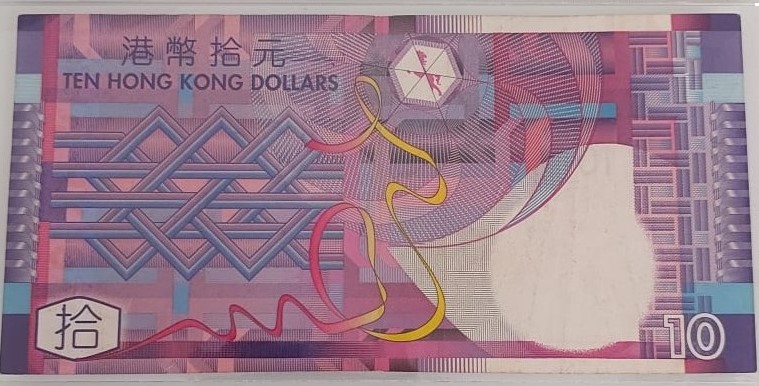
Hong Kong will maintain its decades-old currency peg to the U.S. dollar despite rising geopolitical tensions and speculation over a potential switch to the Chinese yuan, Chief Executive John Lee confirmed in an interview published Monday.
Lee emphasized the importance of the U.S. dollar peg, calling it a "fundamental success factor" for Hong Kong’s global financial status. His comments come as the Hong Kong dollar recently swung from the strong end to the weak end of its allowed trading band, prompting the Hong Kong Monetary Authority (HKMA) to intervene heavily in currency markets.
To stabilize the exchange rate within the 7.75–7.85 band against the U.S. dollar, the HKMA injected HK$129.4 billion in May, purchasing $16.7 billion through multiple interventions. The volatility has reignited debate among analysts over whether Hong Kong should align its currency more closely with China’s yuan, especially amid intensifying U.S.–China trade tensions.
However, Lee made it clear the peg would remain intact, even as his administration pushes to expand Hong Kong’s role as the world’s leading offshore yuan hub. He noted that nearly 80% of global offshore yuan transactions are already processed through the city.
Lee said the government will boost yuan product offerings to support trade and investment diversification, but stressed this would complement—not replace—the U.S. dollar linkage. While some experts see long-term strategic merit in a yuan peg, especially as China’s global influence grows, the current priority remains stability and investor confidence.
Maintaining the dollar peg has been a cornerstone of Hong Kong’s financial system since 1983, helping attract international capital and maintain monetary stability amid regional and global uncertainties.







