


 U.S. Dollar Hits Two-Month High as Oil, Treasury Yields Surge
  European Stocks Fall as Bond Yields and Geopolitical Risks Weigh
  Australia Unemployment Hits Five-Year High Despite Strong Jobs Growth
  Trump, Xi Focus on Trade and AI at White House Summit
  US Stock Futures Fall as Treasury Yields Surge Ahead of Trump-Xi Summit
  Gold Holds Near $4,275 as Rising Treasury Yields Fuel Fed Rate Hike Bets
  U.S. Treasury Yields Surge as 30-Year Hits 22-Year High
  China’s ‘Lipstick King’ Says AI Won’t Replace Livestream Hosts
  Japanese Bank Stocks Surge as Bond Yields Fuel Rate Hike Bets
  Mexico-US Trade Talks Delayed to October as Tariff Negotiations Continue
  Asian Currencies Mixed as Dollar Holds Near Two-Month High
  Asian Stocks Fall as Bond Yields Surge Ahead of Trump-Xi Summit
  Wall Street Ends Flat as Oil, Treasury Yields and Fed Jitters Rattle Markets
  Fed’s Hammack Says Bond Yield Surge Is Not Driven by Inflation Fears
  Japan Private-Sector Growth Slows as Domestic Demand Weakens
  Gold Prices Fall as Treasury Yields Rise on Fed Rate Hike Bets


 Add as a preferred source on Google
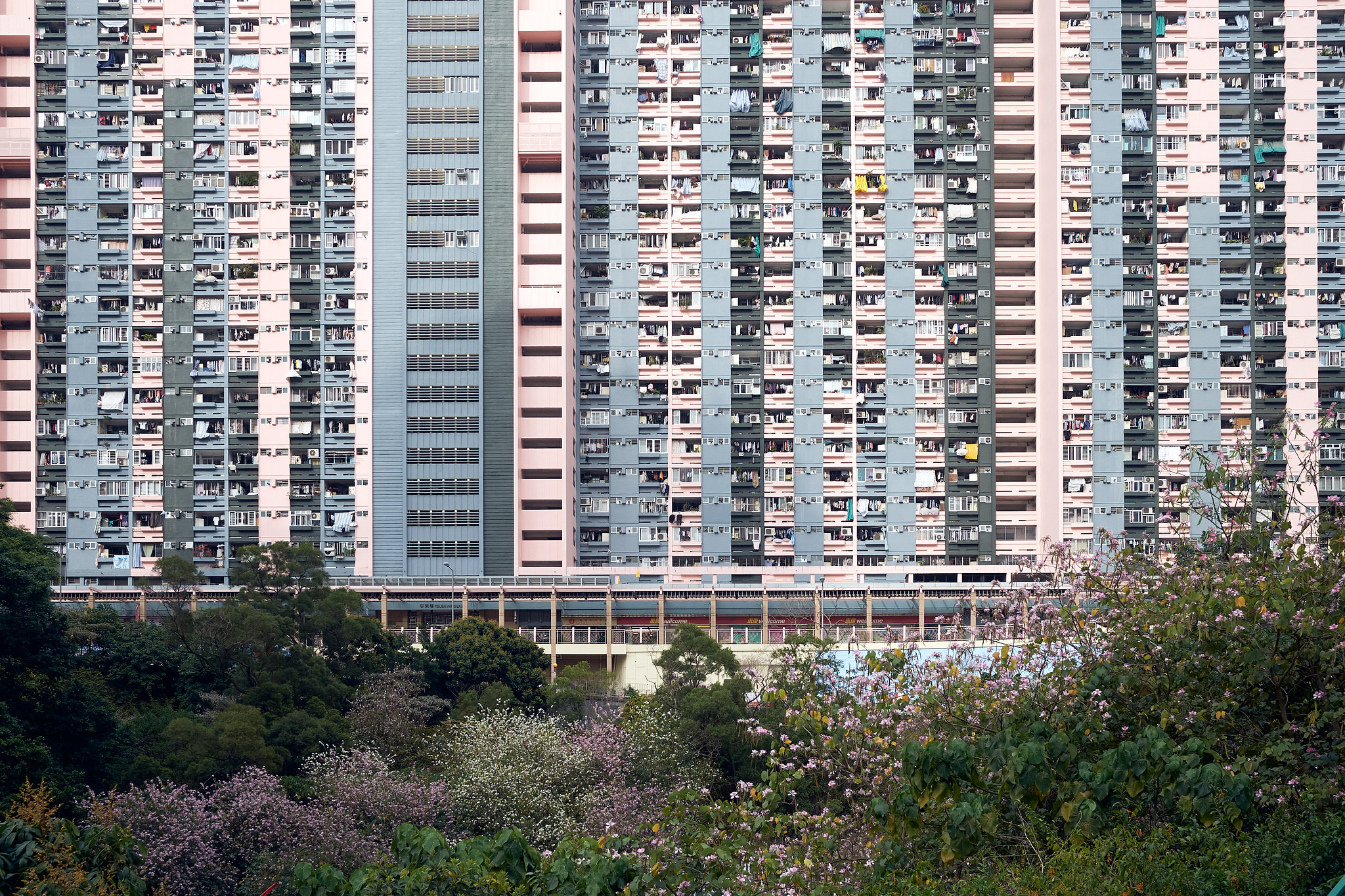
Hong Kong private home prices continued their steady recovery in November, rising for the sixth consecutive month as lower interest rates and a strong stock market helped improve buyer confidence. According to government data released on Monday, private residential property prices increased 0.9% month-on-month, marking the fastest pace of growth in several months and reinforcing signs that the city’s long-slumping housing market may be stabilizing.
Data from the Rating and Valuation Department showed that November’s increase followed a revised 0.4% rise in October. Overall, Hong Kong home prices have climbed 2.8% so far this year, reversing a prolonged annual decline that began in 2021. While the rebound remains modest, it has raised hopes that the worst of the downturn could be over.
The recovery is notable given the sharp correction the market has endured. Home prices in Hong Kong, one of the world’s most expensive housing markets, have fallen nearly 30% from their peak in 2021. The decline was driven by higher mortgage rates, weak economic growth, subdued demand, and an outflow of professionals following strict COVID-19 measures and the introduction of new national security laws.
To stabilize the property sector, which is a key pillar of the Hong Kong economy, authorities moved last year to scrap property purchase curbs and ease down payment requirements. Despite these measures, housing demand has remained relatively soft, partly due to cautious buyer sentiment and abundant supply.
Market dynamics have also been influenced by developers offering new flats at discounted prices to accelerate sales. These discounts have weighed on the secondary market and are reflected in official price indices. At the same time, falling borrowing costs are providing renewed support. Major Hong Kong banks cut interest rates in October, marking the fifth reduction since September 2024, following easing by the U.S. Federal Reserve. Because the Hong Kong dollar is pegged to the U.S. dollar, local monetary policy closely follows U.S. rate movements.
Looking ahead, analysts believe the Hong Kong housing market is nearing a bottom, supported by stable transaction volumes. Future price performance will likely depend on the pace of further interest rate cuts and broader risks such as Sino-U.S. trade tensions. JPMorgan forecasts Hong Kong home prices could rebound by another 5% by the end of 2026, although a sharp stock market downturn remains a key downside risk.







