


 Oracle Plans $45–$50 Billion Funding Push in 2026 to Expand Cloud and AI Infrastructure
  SpaceX Updates Starlink Privacy Policy to Allow AI Training as xAI Merger Talks and IPO Loom
  SpaceX Pushes for Early Stock Index Inclusion Ahead of Potential Record-Breaking IPO
  Sony Q3 Profit Jumps on Gaming and Image Sensors, Full-Year Outlook Raised
  SoftBank and Intel Partner to Develop Next-Generation Memory Chips for AI Data Centers
  Nvidia Confirms Major OpenAI Investment Amid AI Funding Race
  Tencent Shares Slide After WeChat Restricts YuanBao AI Promotional Links
  Nvidia, ByteDance, and the U.S.-China AI Chip Standoff Over H200 Exports
  Elon Musk’s Empire: SpaceX, Tesla, and xAI Merger Talks Spark Investor Debate
  Anthropic Eyes $350 Billion Valuation as AI Funding and Share Sale Accelerate
  Nintendo Shares Slide After Earnings Miss Raises Switch 2 Margin Concerns
  Sam Altman Reaffirms OpenAI’s Long-Term Commitment to NVIDIA Amid Chip Report
  Elon Musk’s SpaceX Acquires xAI in Historic Deal Uniting Space and Artificial Intelligence
  Global PC Makers Eye Chinese Memory Chip Suppliers Amid Ongoing Supply Crunch
  AMD Shares Slide Despite Earnings Beat as Cautious Revenue Outlook Weighs on Stock


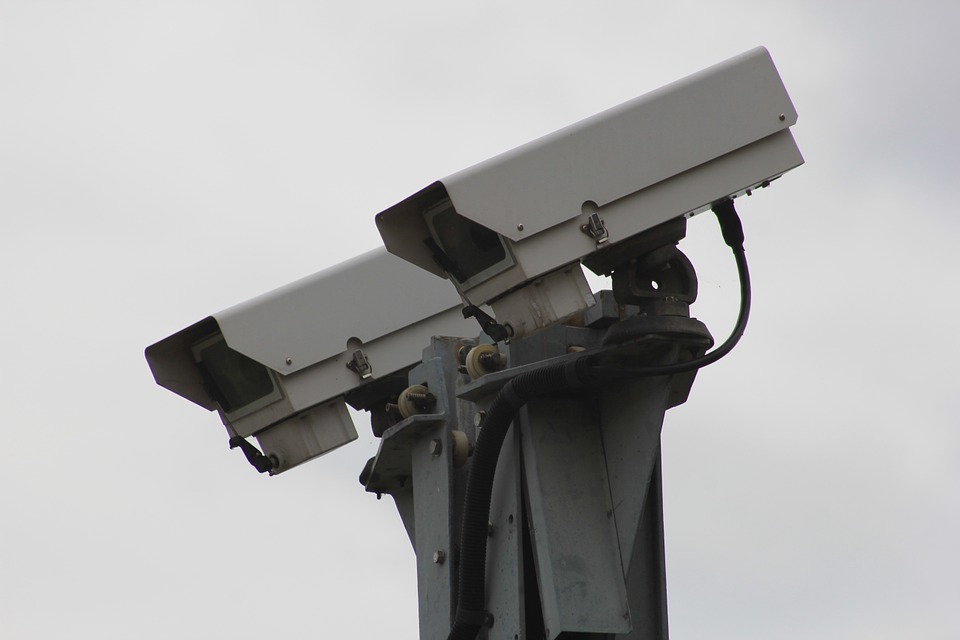
For most of their existence, home security cameras were often used as a deterrent to discourage potential criminals from invading a home. That’s why they are displayed so prominently. However, a startup wants to take the functionality of these cameras to another level by giving them advanced artificial intelligence and facial recognition, which will alert users if there’s anyone in the house that it doesn’t recognize.
Lighthouse AI is the company that wants to bring this kind of home security technology to everyone by releasing a camera with similar 3D-sensing features as the iPhone X, Reuters reports. This allows the camera to recognize everyone living in the house, even including pets.
The people behind the initiative have also been involved with creating the technology that made self-driving possible. The two founders, Alex Teichman and Hendrik Dahlkamp even have connections with Stanford University, which is where they met.
In any case, the camera costs $299 and comes with a service plan that bills for $10 a month. The tech inside the camera simulates that of self-driving cars, in that it’s equipped with eyes that conducts the same image searching capabilities. Developing this kind of product was apparently due in part to the pair’s desire to apply the technology to something that can be used right now and not a decade from now.
Speaking to VentureBeat, Teichman also notes the absence of AI camera companies that sell products based on the technology. This is where they saw an opportunity to potentially corner the market.
“We see a lot of camera companies out there,” Teichman said. “We don’t see AI companies. There are plenty of camera manufacturers, but this is a different thing. We are an AI services company that makes hardware to support the AI.”
Aside from live camera feeds, the products apparently allow for time-based activity searches with the data being stored on Cloud servers. Motion-activated records over a 30-day period can be browsed, as well.













