


 New Mexico Measles Outbreak Cost Reached $5.4 Million, Study Finds
  Novo Nordisk Strikes €1.17 Billion Nanexa Drug Delivery Deal
  GLP-1 Weight-Loss Drug Use Surges Among U.S. Children
  Trump Signs Order to Cut Routine Childhood Vaccines
  France Keeps Top Health Alert as Officials Brace for Another Heatwave
  AstraZeneca Shares Sink After Wainua Trial Misses Key Heart Disease Goal
  Eli Lilly Eyes AtaiBeckley Acquisition to Expand Psychedelic Mental Health Pipeline
  Hanmi Pharm Soars 30% on $2.3 Billion Genentech Obesity Drug Deal
  Novartis M&A Strategy Faces Investor Scrutiny After Drug Setbacks
  Hims & Hers Shares Fall as GLP-1 Costs Widen Q2 Loss
  France Battles Mediterranean Wildfires as Heatwave Fuels Fire Risk
  Novo Nordisk Eyes Turnaround as Oral Wegovy Challenges Eli Lilly in Weight-Loss Drug Race
  US-Backed Pediatric HIV Treatment Drops After Foreign Aid Changes, Study Finds
  3 clinical-grade skincare creams you really shouldn’t buy online


 Add as a preferred source on Google
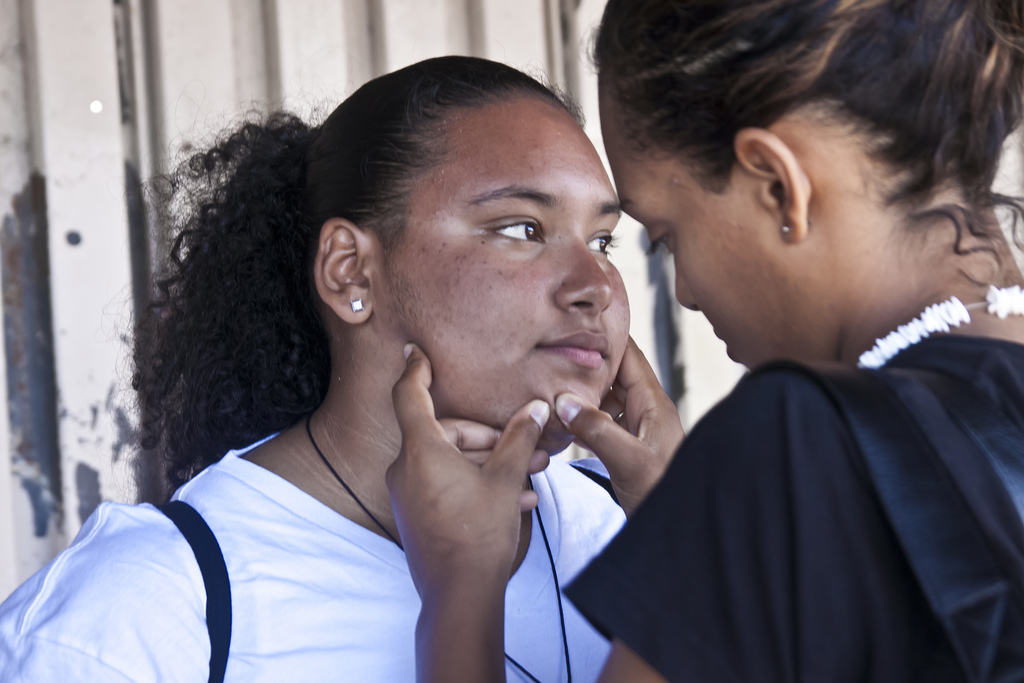
To squeeze or not to squeeze? I’ll admit that I’m no skin saint. I have stood in front of the mirror on a number of occasions as a teenager with a big pimple staring right back at me. And yes, despite being advised not to, I have squeezed, picked and popped.
But is this really a crime against the skin?
The answer is yes. Squeezing and trying to pop pimples is definitely not the best solution and can actually make your skin worse.
How pimples form
Acne is one of the most common inflammatory skin conditions in adolescents. More than 80% of teenagers battle with pimples. It can also occur later in life for a number of reasons, including an imbalance of hormones called androgens.
At the moment, we need more research to fully understand the causes of acne. Oil glads (sebaceous glads), located in the skin at the base of the hair follicle, excrete oil (sebum) to lubricate the surface of the skin and hair. All parts of the body contain sebaceous glands, except the palms and soles of the feet.
Acne was previously thought to come from lack of normal shedding of the skin cells that line the sebaceous (oil gland) follicle. This was thought to lead to thickened skin and the formation of small comedones (black and white heads).
But there has been a shift in this thinking in recent years. Acne is now viewed primarily as an inflammatory skin disorder.
Why you shouldn’t squeeze
A pimple is like a little bag under the skin that contains oil, bacteria and inflammation. Squeezing it can result in these contents being pushed into surrounding skin, making the problem worse. It can also lead to infection and temporary darkening of the skin in that area.
On top of this, the inflammation can become so bad that scarring is left behind when the pimple finally settles down. And scarring (unlike the pimple) can be permanent.
If you resist the urge to squeeze, pimples will usually resolve over a week or so without scarring. The “white” contents will also settle down or spontaneously pop when ready.
If large pimples require urgent treatment, a dermatologist can get rid of the contents of a pimple safely. They may also give it an injection that decreases inflammation and the pimple in a day or so.
If pimples are something you battle with even on a monthly basis, it is advisable to see a dermatologist to find out what can be done to control the flares.
How to prevent pimples
If you want to avoid pimples, here are some ways you can have healthier and clearer skin:
-
Eat a healthy, well-balanced diet low in sugar. This includes nuts, legumes, fish, red meat, fruits and vegetables. A number of well-conducted trials support the benefits of a diet with a low glycemic load for patients who have acne. Some studies suggest a higher risk of acne with frequent milk consumption, but more research is needed before dietary recommendations can be made. It’s advisable to keep a diary to see if any of these foods directly aggravate acne and avoid them if this is the case.
-
Avoid excessive scrubbing, cleansing and exfoliating. Acne doesn’t happen due to accumulation of dirt and grime on the skin and can’t simply be washed away. Using many products can increase skin irritation and dryness and compound the problem.
-
Choose oil-free cleansers, moisturisers and sunscreen (these are usually labelled “non-comedogenic” on packaging).
-
Choose silicone-based hair products rather than greasy ones. Greasy hair products can make more oil and grease accumulate on the skin, which will make acne worse.
And if you do get pimples, try to resist the urge to squeeze!
 Michelle Rodrigues does not work for, consult, own shares in or receive funding from any company or organization that would benefit from this article, and has disclosed no relevant affiliations beyond the academic appointment above.
Michelle Rodrigues, Consultant Dermatologist, St Vincent's Hospital Melbourne
This article was originally published on The Conversation. Read the original article.







