


 Iran Threatens Gulf Energy Assets as U.S. Tensions Escalate
  Asian Currencies Mixed as Yen Rallies on BOJ Bets
  China Boosts Gold Reserves by 650,000 Ounces as Prices Rally
  Trump Peace Envoys Meet Zelenskiy in Kyiv After Putin Talks
  Putin Meets US Envoys in Moscow as Ukraine Peace Push Intensifies
  Japan Foreign Reserves Plunge $79.6 Billion After Record Yen Intervention
  Ecuador Backs U.S. Sinking of Vessels in Pacific Anti-Drug Operation
  Hormuz Shipping Slows as Iran Threats Lift Oil Risks
  Uranium Prices Could Top $100 as Nuclear Demand Grows
  Russia Eyes Putin-Trump-Xi Trilateral Meeting at China APEC Summit
  Trump Threatens Bombardier U.S. Sales Ban
  Oil Prices Rise as Hormuz Tensions Threaten Supply
  Lavrov Accuses Germany of ‘Declaring War’ on Russia
  UK House Prices Fall for First Time Since 2023
  Russia Seeks to Claw Back Soldier Bonuses After Crimes
  China Expands Influence in Global Gold Market


 Add as a preferred source on Google
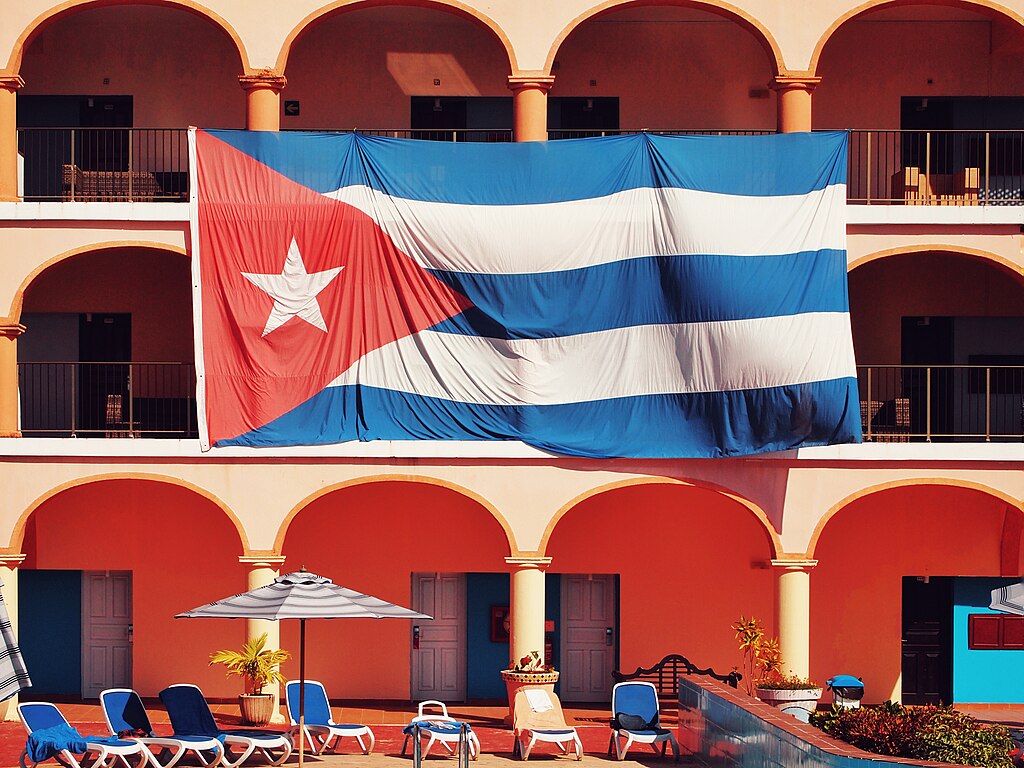
Protests spread across Havana on Wednesday night as Cuba struggled through its worst electricity crisis in decades, with residents enduring rolling blackouts linked to an ongoing fuel shortage and tightened U.S. sanctions. Hundreds of frustrated citizens gathered in several neighborhoods across the Cuban capital, blocking streets with burning trash, banging pots and pans, and chanting slogans demanding electricity and government action.
The demonstrations marked the largest wave of protests in Havana since the country’s energy crisis intensified earlier this year. Many residents reported living without power for up to 22 hours a day, worsening already difficult conditions caused by shortages of food, medicine, and transportation fuel.
Cuba’s Energy and Mines Minister Vicente de la O confirmed that the island has exhausted its diesel and fuel oil reserves, leaving the national power grid in a “critical” condition. According to officials, the country is currently relying on domestic crude oil, natural gas, and renewable energy sources to maintain limited electricity generation.
Although Cuba has added around 1,300 megawatts of solar energy capacity over the last two years, officials say instability in the electrical grid and the lack of fuel have significantly reduced the effectiveness of renewable power systems. Authorities continue searching for international fuel suppliers as the government attempts to stabilize the grid and prevent further unrest.
The situation has been made worse by new U.S. measures targeting countries that export fuel to Cuba. Since the latest sanctions were introduced in early 2026, traditional suppliers such as Venezuela and Mexico have reportedly stopped sending oil shipments to the island. Only one major Russian oil tanker has delivered crude to Cuba in recent months, offering only temporary relief.
The United Nations recently criticized the U.S. fuel restrictions on Cuba, warning that the measures are contributing to humanitarian challenges affecting access to food, healthcare, water, and essential public services across the island nation.







