


 Hormuz Shipping Slows as Iran Threats Lift Oil Risks
  Trump Peace Envoys Meet Zelenskiy in Kyiv After Putin Talks
  Gold Prices Rise as Yen Rally Weakens Dollar
  UK House Prices Fall for First Time Since 2023
  Trump Threatens Bombardier U.S. Sales Ban
  Jefferies Names 6 Top India Stock Picks Across Key Sectors
  China Exports Surge 25% in August as Trade Surplus Hits $119 Billion
  Australia Plans New Rules Giving Users Control Over Social Media Feeds
  Japan, U.S. Stay Aligned on Yen as Currency Surges
  Asian Currencies Mixed as Yen Rallies on BOJ Bets
  Israeli Strikes Kill Four in Gaza, Including Two Children
  Iran Vows Tougher Response as U.S. Sanctions Squeeze Economy
  Canada Retaliatory Tariffs on U.S. Goods Take Effect
  Trump’s Arlington Arch Project Faces New Court Restrictions
  Yen Rebounds as BOJ Rate Hike Bets Rise
  China Boosts Gold Reserves by 650,000 Ounces as Prices Rally


 Add as a preferred source on Google
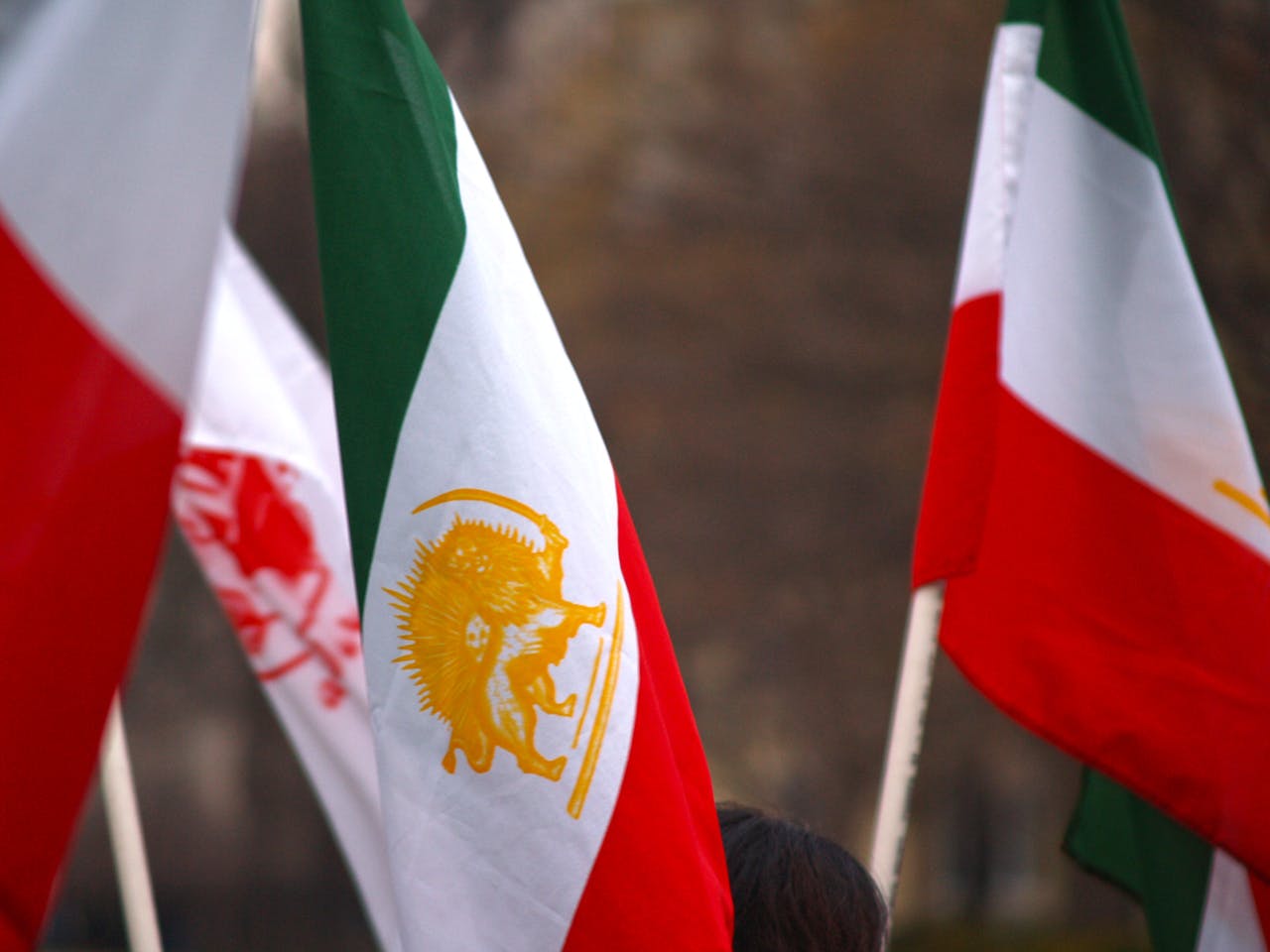
Iran warned Monday that it would retaliate against further U.S. attacks, threatening American oil and gas interests across the Gulf as renewed hostilities raise concerns over global energy supplies and shipping through the Strait of Hormuz.
“Strike our assets and you get struck,” Iranian Parliament Speaker Mohammad Baqer Qalibaf said after U.S. and Iranian forces exchanged attacks on shipping over the weekend. The escalation helped push oil prices toward six-week highs.
Tehran has tightened restrictions on Strait of Hormuz shipping since the conflict began with U.S. and Israeli strikes on Iran on February 28. The waterway is crucial to global energy markets, carrying about one-fifth of worldwide oil and liquefied natural gas shipments before the war.
Senior Iranian security official Mohsen Rezaei said Tehran plans to establish a new restricted zone in the Gulf and introduce another shipping corridor through the strait. He said Iran would only guarantee that Hormuz remains open if Washington ends attacks, threats and what Tehran describes as sabotage.
Qalibaf also warned that U.S. energy facilities throughout the region were exposed, responding after Defense Secretary Pete Hegseth described Iran’s tanker fleet as “defenceless.”
Regional tensions intensified further Monday when Israeli strikes on southern Lebanon killed at least 12 people, according to Lebanon’s health ministry. The bombardment has raised concerns about renewed fighting with Iran-backed Hezbollah despite a June ceasefire.
Meanwhile, tanker attacks are increasingly disrupting Gulf shipping. U.S. forces struck three Iranian oil tankers Saturday, including one near Kharg Island, Iran’s main crude export hub, U.S. Central Command said. Shipping data showed an average of only 10 commodity vessels per day crossed the Strait of Hormuz over the past 10 days, the lowest since May.
Iran is also facing growing economic pressure from U.S. sanctions, inflation, unemployment and currency instability. Gulf producers are seeking alternatives as well, with UAE presidential adviser Anwar Gargash saying the country is developing new energy export and trade routes.
The disruption is also pushing U.S. fuel costs higher, adding economic pressure on President Donald Trump ahead of November’s midterm elections.







