


 The UK is surprisingly short of water – but more reservoirs aren’t the answer
  Gold Prices Slide Below $5,000 as Strong Dollar and Central Bank Outlook Weigh on Metals
  Rise of the Zombie Bugs takes readers on a jaw-dropping tour of the parasite world
  We combed through old botanical surveys to track how plants on Australia’s islands are changing
  FDA Adds Fatal Risk Warning to J&J and Legend Biotech’s Carvykti Cancer Therapy
  Parasites are ecological dark matter – and they need protecting
  LA fires: Fast wildfires are more destructive and harder to contain
  Trump Administration to Launch Autism Initiatives Targeting Acetaminophen Use and New Treatment Options
  NASA Partners with Katalyst to Save Swift Observatory with Innovative Docking Mission
  Trump Signs Executive Order to Boost AI Research in Childhood Cancer
  Lake beds are rich environmental records — studying them reveals much about a place’s history
  Lost in space: MethaneSat failed just as NZ was to take over mission control – here’s what we need to know now
  Fed Governor Lisa Cook Warns Inflation Risks Remain as Rates Stay Steady


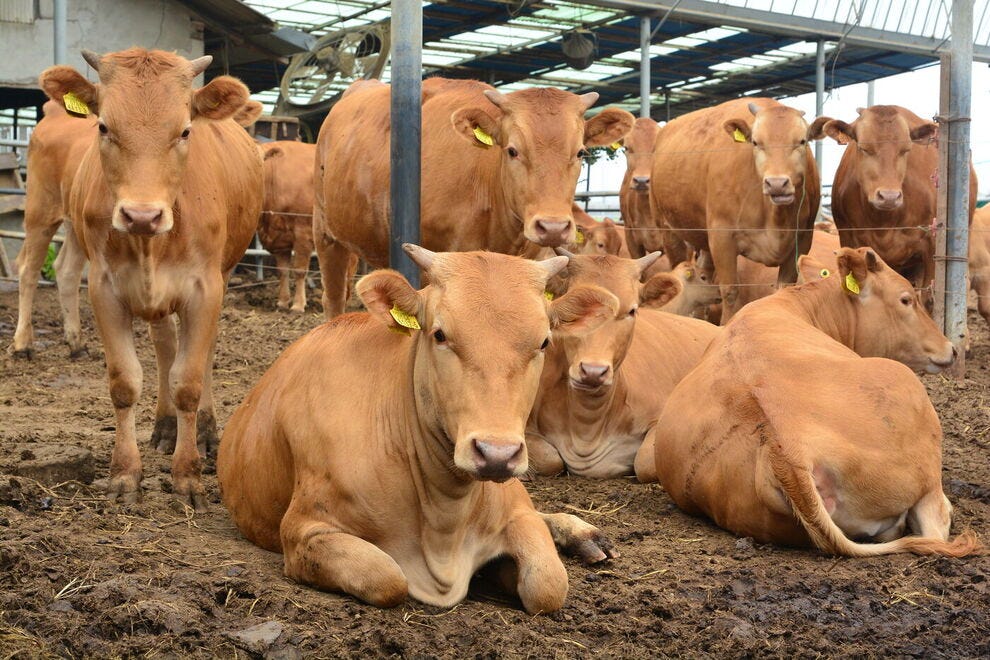
The Korea Atomic Energy Research Institute (KAERI) has transferred its technology for producing biodegradable plastic using radiated cow manure to a local eco-friendly plastic maker for 30 million won and a royalty of 2.5 percent of sales.
The research team enhanced the cohesion of materials by adding manure powder into biomass plastic and then exposing it to radiation.
Microorganisms in the ground can completely degrade the resulting biomass plastic, which has strength and elasticity more than 30 percent higher than other biomass plastics.
Due to the surge in global plastic consumption, biodegradable plastic has been drawing significant attention as an alternative solution.
However, chemical additives are used in making the said biomass plastic to ensure the cohesion of materials.
KAERI’s method has limits, including environmental pollution and high costs.













