


 Trump Administration Removes Confederate Memorial Criticism From Arlington Website
  Synthetic data could ease people’s concerns about privacy breaches. But who gets to create it?
  SEC Seeks ISS Client Voting Records in Proxy Adviser Probe
  Canada Unveils Bill to Fast-Track Major Resource Projects
  US Judge Dismisses Imran Ahmed Deportation Lawsuit
  Pentagon Restarts Testosterone Testing for US Troops
  FDA Weighs Safety Standards for Psychedelic Therapies
  US Immigration Arrests Surge as Deportations Lag Behind
  Australia Tightens Student Visa Rules, Targets Migration Cut by 2028
  US Resumes Immigrant Visa Processing for Hungary, Poland
  Trump Grants Clemency to Jay-Z Associate Emory Jones
  Who should own the knowledge that underpins AI technology?
  FCC Approves Foreign Investment in $110B Paramount-Warner Bros. Deal
  FAA Allows Boeing to Sell 35 More 777F Freighters Beyond 2028
  Trump Bans CNN, MS NOW and Politico From White House


 Add as a preferred source on Google
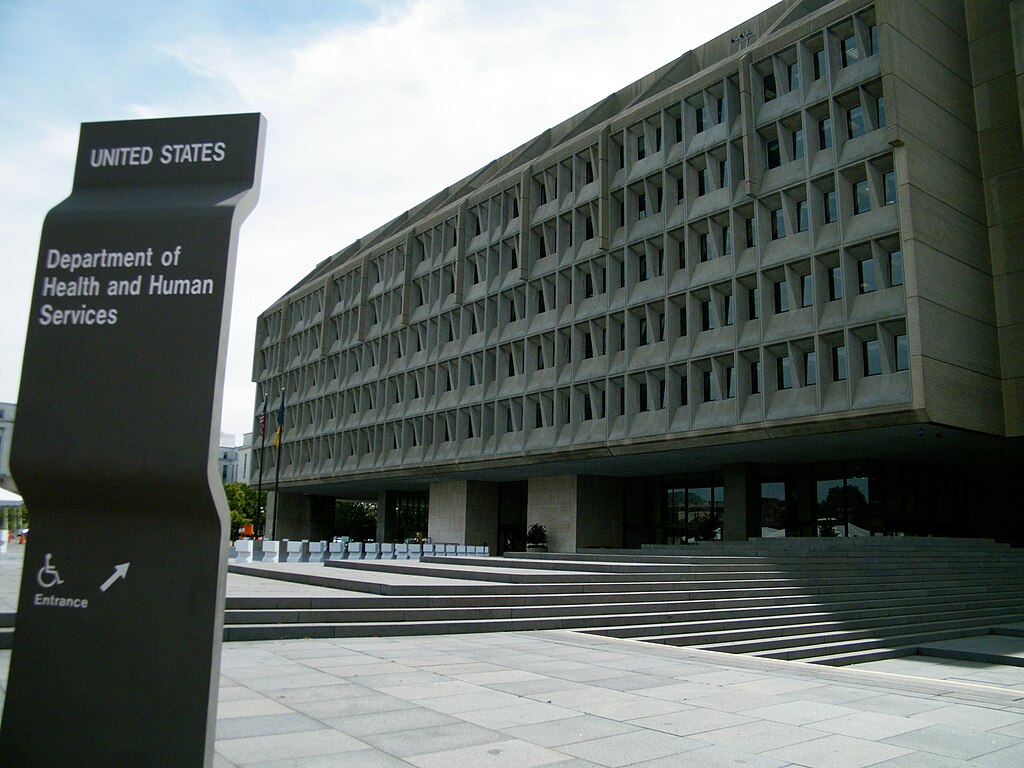
The U.S. Department of Health and Human Services (HHS) is expected to reduce public health grant funding by roughly $600 million for several U.S. states, according to a Bloomberg News report published Monday. The states affected by the proposed funding cuts include California, Minnesota, Illinois, and Colorado. Bloomberg cited sources familiar with the matter who said the decision is linked to concerns that existing grant programs in those states do not align with the White House’s current policy priorities.
The potential reduction in federal public health funding could have wide-ranging implications for state and local health departments that rely on HHS grants to support essential programs. These grants often fund initiatives related to disease prevention, health equity, emergency preparedness, and community-based public health services. A cut of this scale may force states to reassess budgets, delay projects, or seek alternative funding sources to maintain ongoing public health efforts.
At this stage, the information remains unconfirmed by other major news organizations. Reuters reported that it was unable to independently verify Bloomberg’s account of the proposed cuts. In addition, HHS did not immediately respond to a request for comment from Reuters, leaving questions about the timing, scope, and final approval of the funding changes.
The report comes amid ongoing debates in Washington over federal spending priorities, particularly as the White House and Congress scrutinize how public funds are allocated across states and programs. Federal agencies, including HHS, have increasingly emphasized alignment with administration goals when distributing grants, which can influence which states and initiatives receive continued support.
If implemented, the reported HHS funding cuts could intensify political and policy discussions at both the state and federal levels. Governors and state health officials in California, Minnesota, Illinois, and Colorado may push back against the decision, arguing that public health investments are critical regardless of political alignment. As more details emerge, stakeholders will be watching closely to see whether the proposed cuts move forward and how they may affect public health outcomes across the country.







