


 Wall Street Surges as Meta Leads AI Rally, Oil Prices Fall
  Dollar Hits Two-Month High as Fed Rate Hike Bets Rise
  Gold Prices Rise as Oil Slide Eases Fed Rate Hike Fears
  US-China Talks Target AI, Tariffs Ahead of Trump-Xi Summit
  Oil Prices Tumble on U.S.-Iran Diplomacy Hopes, Supply Relief
  Oil Prices Rise as U.S.-Iran Talks Fuel Diplomacy Hopes
  Zelenskiy Warns Russia Preparing Major Attack on Ukraine
  Canada Unveils Bill to Fast-Track Major Resource Projects
  Asian Stocks Mixed Ahead of Trump-Xi Meeting
  Trump Scales Back Endangered Species Act Protections
  UK Home Asking Prices Rise for First Time Since May
  US, Japan and South Korea Back Taiwan Ahead of Trump-Xi Summit
  Iran Vows ‘Crushing’ Response as US Talks Continue
  Paramount-Warner Bros $110 Billion Deal Draws Antitrust Backlash
  Oil Prices Extend Losses as U.S.-Iran Talks Ease Supply Fears
  Gold Prices Hold Steady Ahead of Trump-Xi Summit, Middle East Risks


 Add as a preferred source on Google
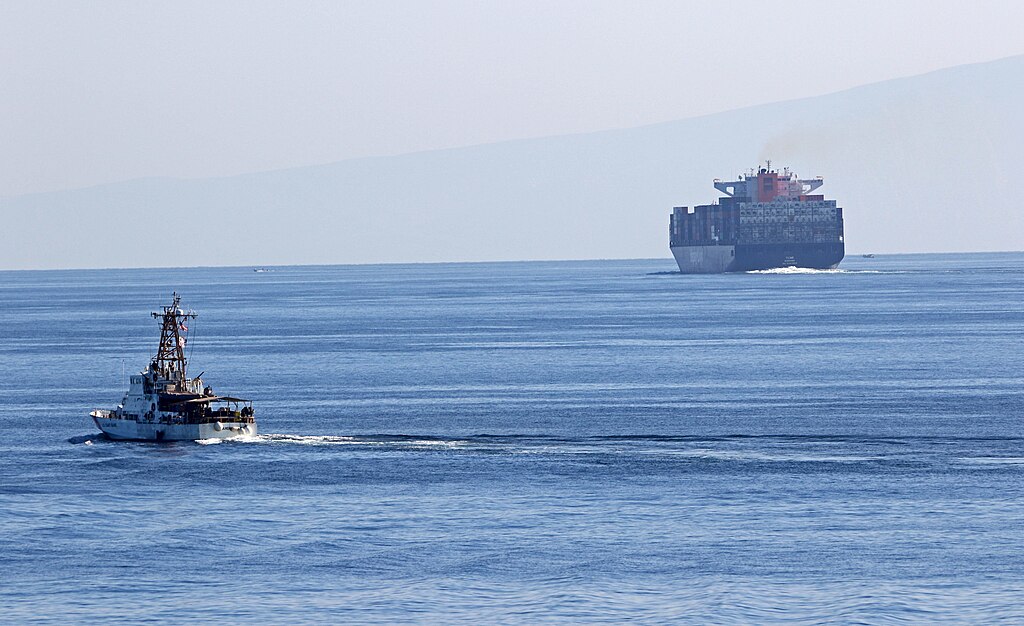
Shipping activity through the strategic Bab el-Mandeb Strait and the Strait of Hormuz remained largely stable at the start of the week despite continued geopolitical tensions and uncertainty surrounding potential U.S.-Iran negotiations, according to Kpler shipping data.
Traffic through the Bab el-Mandeb Strait held steady on Monday, with 20 vessels transiting the waterway, matching the previous day's level. The crossings included 12 oil tankers and eight bulk carriers, consisting of 12 outbound and eight inbound movements. Most ships continued to operate with their tracking transponders switched on, allowing their movements to be monitored.
The stability in vessel traffic came as conflicting signals emerged over possible diplomatic efforts between the United States and Iran. Iran's Foreign Ministry spokesman Esmail Baghaei stated on Monday that no negotiations with Washington were underway and that no meetings had been scheduled. His comments contradicted remarks from U.S. President Donald Trump, who said on Sunday that he was delaying any new military action against Iran while discussions continued over ending the conflict and addressing issues surrounding the Strait of Hormuz.
Meanwhile, shipping volumes through the Strait of Hormuz remained subdued. Kpler data showed six vessels transited the vital energy corridor on Monday, down slightly from seven the previous day. The traffic consisted of three oil tankers and three bulk carriers, with five vessels entering and one exiting through the Iranian shipping route.
Actual vessel movements could be higher, as some ships may be navigating with their Automatic Identification System (AIS) transponders switched off, meaning they are not reflected in publicly available tracking data.
Security concerns continue to weigh on global shipping. The persistent threat of attacks on commercial vessels has kept operators cautious, particularly around the Gulf of Aden and nearby waterways. Some Saudi-flagged supertankers have reportedly altered their routes, diverting around southern Africa instead of passing through the Red Sea after Yemen's Houthi movement threatened to target Saudi-linked shipping.
The latest shipping patterns underscore how geopolitical uncertainty in the Middle East continues to influence global maritime trade and energy transportation.







