


 OpenAI Launches GPT-6 Astra With Advanced AI Agent Capabilities
  Milei Threatens Falkland Oil Firms With Sanctions
  Berkshire Hathaway Eyes Bigger Stakes in Japan’s Top Trading Houses
  Tesla Cybercab Rides Launch in Austin as NHTSA Reviews Rollout
  Deutsche Telekom Shares Rise as Elliott Pushes Against T-Mobile Merger
  Pinterest Stock Falls as CFO Julia Brau Donnelly Resigns
  US Tech Giants’ AI Bond Boom Raises Euro Zone Borrowing Risks
  U.S. Probes Apex Logistics Over Nvidia AI Chip Shipments to China
  Google Changes EU Spam Policy Amid Antitrust Scrutiny
  ByteDance Secures $29.6 Billion Loan to Boost AI Investment
  MediaTek Shares Jump 10% on Nvidia’s $3.5 Billion Investment
  SpaceX Turbine Push Unlikely to Threaten Howmet, Bernstein Says
  Audi, SAIC Launch China Innovation Hub for New AUDI Models
  Anthropic Nears $15 Billion Credit Deal Ahead of IPO
  PayPal Shares Sink as $50 Billion Takeover Bid Collapses
  Texas Republicans Turn Against AI Data Centers as Election Backlash Grows
  OpenAI Rejects Apple Trade Secret Theft Claims


 Add as a preferred source on Google
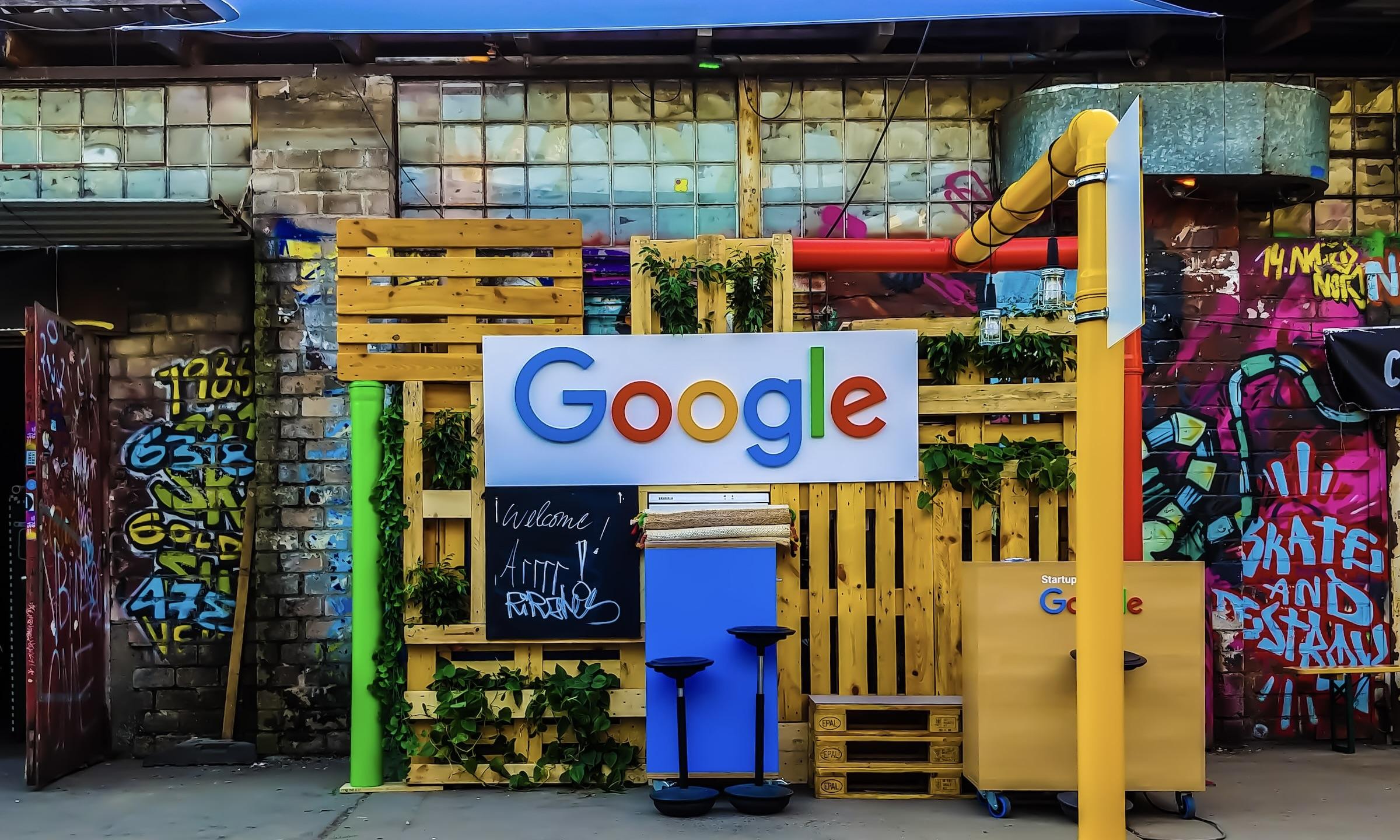
Alphabet's Google announced on Tuesday that it will implement restrictions on election-related queries for its chatbot, Bard, and search generative experience leading up to the 2024 U.S. Presidential election. The company confirmed these restrictions are expected to be enforced by early 2024.
Global Impact of the Restrictions
In addition to the United States, various groundbreaking elections are anticipated in 2024, involving nations such as India, the world's largest democracy, and South Africa, among others, according to CNBC.
The tech giant will place an increased emphasis on the role of artificial intelligence (AI) in providing service to voters and campaigns associated with these elections. Reuters reported that Google aims to ensure transparency and enhance the integrity of the political process.
Facebook owner Meta had previously announced in November its prohibition of political campaigns and advertisers in regulated industries from utilizing its new generative AI advertising products. Advertisers on Meta's platforms will also be required to disclose the use of AI or other digital methods in modifying or creating political, social, or election-related advertisements on Facebook and Instagram.
Contrarily, Elon Musk's social media platform X, currently under investigation by the European Union, declared in August that it will allow political advertising from candidates and political parties in the United States. X also plans to expand its safety and elections team ahead of the U.S. election. It is important to note that all political ads on X were previously banned globally in 2019.
Regulating AI on a Global Scale
Governments worldwide are actively seeking to regulate artificial intelligence due to its potential threats, including the dissemination of misinformation. As part of these efforts, new European Union rules will require prominent labeling of political advertising on Big Tech platforms, disclosing the source of funding and the specific elections targeted.
The European Union's regulations are intended to ensure transparency and accountability in political advertising across major platforms.
Photo: Rajeshwar Bachu/Unsplash







