


 Amazon Stock Rebounds After Earnings as $200B Capex Plan Sparks AI Spending Debate
  Sony Q3 Profit Jumps on Gaming and Image Sensors, Full-Year Outlook Raised
  Alphabet’s Massive AI Spending Surge Signals Confidence in Google’s Growth Engine
  Elon Musk’s SpaceX Acquires xAI in Historic Deal Uniting Space and Artificial Intelligence
  SpaceX Prioritizes Moon Mission Before Mars as Starship Development Accelerates
  TSMC Eyes 3nm Chip Production in Japan with $17 Billion Kumamoto Investment
  SpaceX Reports $8 Billion Profit as IPO Plans and Starlink Growth Fuel Valuation Buzz
  SpaceX Updates Starlink Privacy Policy to Allow AI Training as xAI Merger Talks and IPO Loom
  Nvidia CEO Jensen Huang Says AI Investment Boom Is Just Beginning as NVDA Shares Surge
  Palantir Stock Jumps After Strong Q4 Earnings Beat and Upbeat 2026 Revenue Forecast
  Instagram Outage Disrupts Thousands of U.S. Users
  Jensen Huang Urges Taiwan Suppliers to Boost AI Chip Production Amid Surging Demand
  Oracle Plans $45–$50 Billion Funding Push in 2026 to Expand Cloud and AI Infrastructure
  SoftBank and Intel Partner to Develop Next-Generation Memory Chips for AI Data Centers
  Nintendo Shares Slide After Earnings Miss Raises Switch 2 Margin Concerns


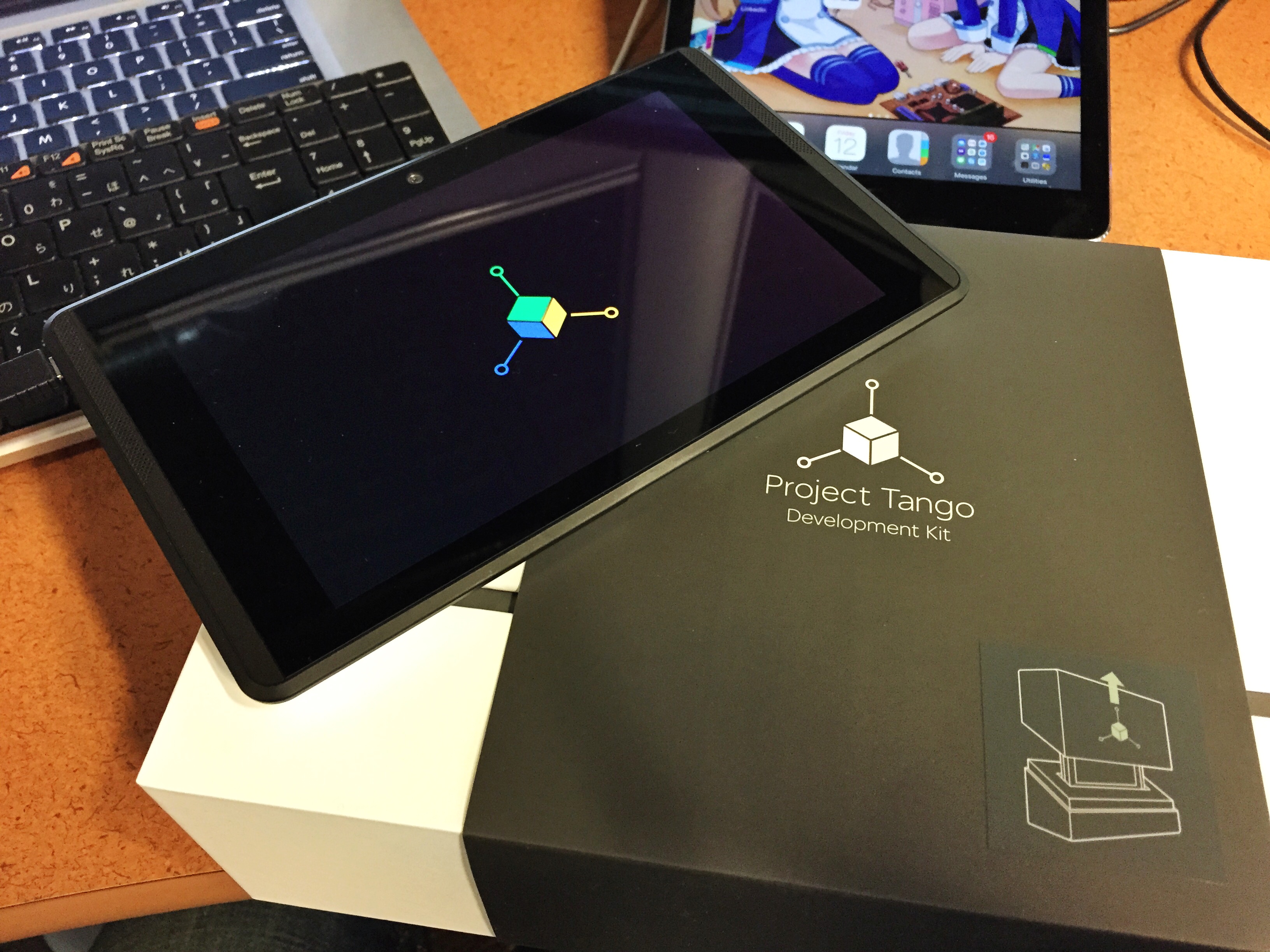
Although it has had an incredible augmented reality technology up its sleeves since 2014 with Tango, Google has not done much with it in the way of giving the mass consumer market access. Now that Apple is threatening to beat the search engine company to the punch with the imminent launch of the ARkit for iOS 11, Google is responding with its own launch of what’s called the ARCore.
As TechCrunch points out, Google has had excellent AR technologies for some time, but they have been beyond the reach of actual consumers. Tango was simply far too limited in scale, which meant that it could not reach the kind of growth that it needed. By opening up the technology via ARCore, Google now has a much better chance of reaching a wider audience.
For now, only the Google Pixel smartphones and the Samsung Galaxy S8 will be able to make use of the technology once it launches. However, the search engine firm aims to reach over 100 million devices that use the Android OS eventually.
On that note, it’s worth pointing out that there are going to be some compromises with the ARCore. For starters, there’s the matter of putting aside the 3D mesh formation that the Tango employs and replacing that with the motion-tracked AR technology that most Android phones are capable of.
Basically, it won’t be as good as Tango devices in terms of superimposing AR images over the real-world, but it’s a lot more accessible. As Clay Bavor, the head of Google’s AR/VR division told the publication, however, future sensor technologies should compensate for this compromise.
“We’ve architected ARCore to be able to perceive a wide variety of sensors,” Bavor said. “We foresee, in the future, many more phones having depth-sensing capabilities and as those come into mainstream phones, that’s great, ARCore will work seamlessly with those and benefit from the additional sensing capabilities.”













