


 SpaceX Nasdaq 100 Weight to More Than Double in Rebalance
  Scott Bessent Eyed as Trump’s New AI Czar
  Trump Plans Federal AI Force and AI Czar
  MediaTek Unveils 2nm Dimensity 9600 Pro AI Chip
  Apple Pay Set for India Launch With Axis Bank
  Westinghouse Targets $50 Billion Valuation in U.S. IPO
  DOJ Will Investigate AI-Related Crimes, Attorney General Blanche Says
  Meta CEO Zuckerberg Backs Independent AI Safety Reviews Over Development Slowdown
  Who should own the knowledge that underpins AI technology?
  Hyundai CEO Warns Chinese Automakers Could Disrupt US Market
  Meta Partners With Shopify to Bring Shop Pay Checkout to Muse AI
  Databricks to Invest $350 Million in Singapore AI Expansion
  NASA, Boeing Discuss Expanding Starliner Missions
  US Federal Register Drops Alibaba Qwen AI Search Tool
  Burnham Eyes UK Leadership Role in AI Ahead of Trump Meeting
  Physicists zoom into the birth of cosmic rainstorms with new CERN study
  US Northeast Airports Resume Operations After Telecom Outage Disrupts Thousands of Flights


 Add as a preferred source on Google
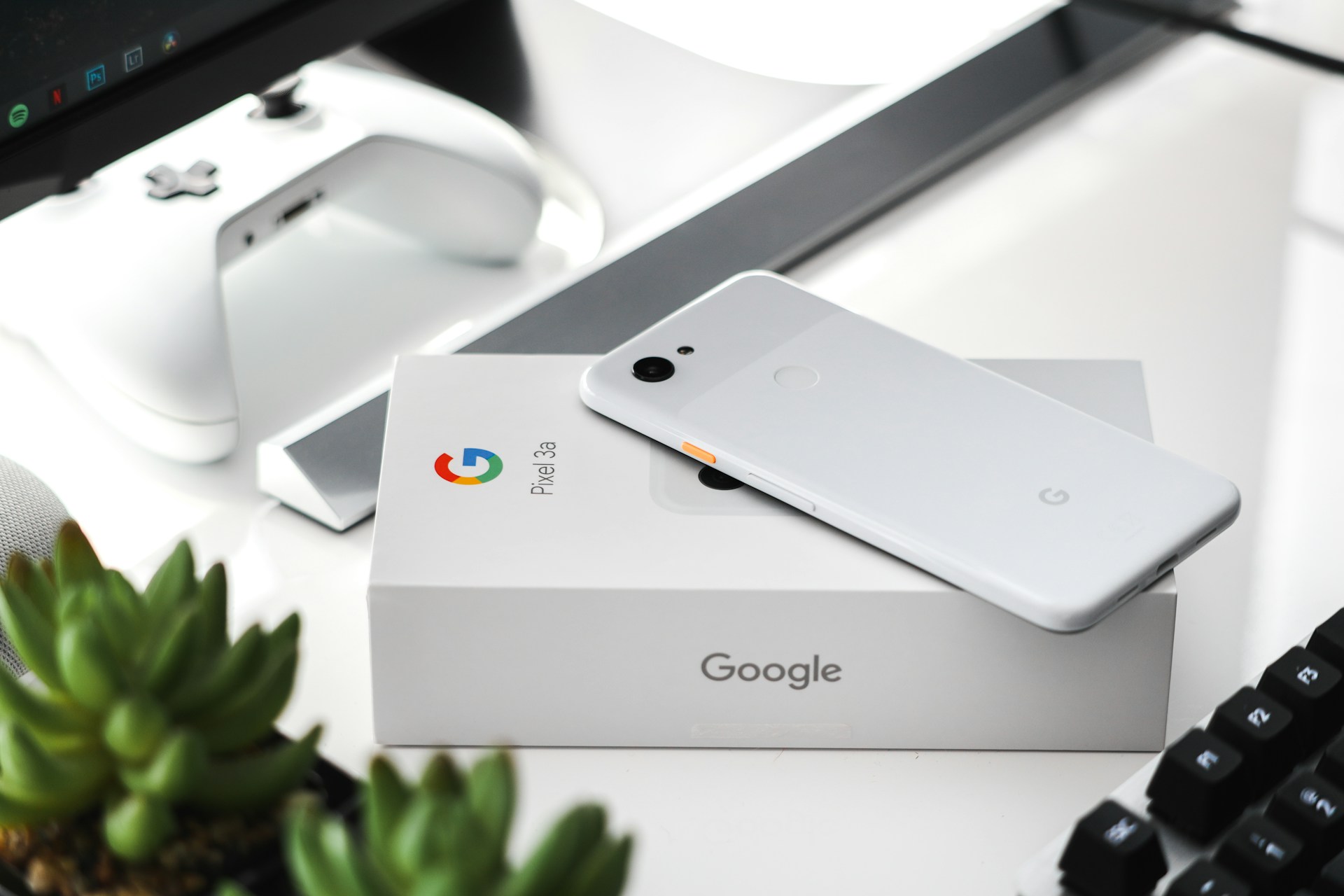
The Google Pixel Fold 2, the company's follow-up phone to the original, is anticipated to come this year. Unfortunately, we haven't heard much about the gadget compared to the previous three Pixel products: Pixel 9, Pixel 9 Pro, and Pixel 8a. However, important information regarding the impending Pixel Fold 2 has been obtained recently.
Google Pixel Fold 2 Rumored To Skip The Tensor G3
According to a source who asked to remain anonymous, Google has been internally testing the Google Pixel Fold 2 over the past few months. The suspected Tensor G4 chipset, codenamed "zumapro," has replaced Google's Tensor G3 chipset, known as "zuma," in more recent foldable prototypes, as per Android Authority.
Although we can't be certain, this development stage alteration raises the possibility that Google will sell the Pixel Fold 2 with the Tensor G4 chipset rather than the Tensor G3. As a point of clarification, the Pixel Tablet initially came with Google's first-generation Tensor chipset; however, the tablet ultimately shipped with Google's second-generation Tensor G2 chipset.
The Google Pixel Fold 2, now codenamed "comet," may have a similar change in nomenclature during development, as evidenced by the change from "tangor" to "tangorpro" in the tablet's codename, WCCFTech reported.
Potential Chipset Shift in Google Pixel Fold 2 Could Impact Launch Timeline
If Google is changing course on the chipset, it will probably do the same when the next foldable device is released. Given that the original Pixel Fold was unveiled at Google I/O in May 2023, it would make sense if the replacement debuted in a like fashion.
Google typically saves its fall hardware event for the official announcement of its new Tensor chipsets, so the math shifts if the Pixel Fold 2 is intended to be shipped with the Tensor G4. It's less likely that Google would unveil the Pixel Fold 2 at this year's I/O alongside the more recent Tensor G4, but if I/O passes and no Pixel Fold 2 launch occurs, then omitting the Tensor G3 is still a possibility.
It has been stated that the Google Pixel Fold 2 is still several revisions away from mass production (MP) and is just in the early stages of the Engineering Validation Test (EVT). Given its current position in the queue and the regular workflow, which is prototype > EVT > DVT > PVT > MP, it is less likely that the device will be ready for an I/O 2024 launch in May.
In any case, what advantages might a Tensor G4 upgrade offer? The next chipset's precise specs are yet unknown. Still, it's anticipated to be just somewhat better than the Tensor G3 from the previous year.
While the Tensor G4's exact configuration is unknown, it is anticipated to include a combination of Arm's Cortex-X4, A720, and A520 CPU cores. Samsung, rather than TSMC, is said to manufacture the chipset; however, Google intends to switch to TSMC for the Tensor G5's fabrication.
One of the more disappointing features of the first-generation Pixel Fold was the less potent Tensor G2 instead of the Tensor G3, so perhaps the business does wind up selling its next-generation chipset on its next-generation foldable.
Photo: Sebastian Bednarek/Unsplash







