


 Guterres Urges Stronger Global AI Safeguards Ahead of UN Assembly
  Physicists zoom into the birth of cosmic rainstorms with new CERN study
  Cathie Wood Backs AI Slowdown as Safety Concerns Grow
  DOJ Will Investigate AI-Related Crimes, Attorney General Blanche Says
  Qualcomm Gains on $60B Amazon AI Chip Deal
  MediaTek Unveils 2nm Dimensity 9600 Pro AI Chip
  US Northeast Airports Resume Operations After Telecom Outage Disrupts Thousands of Flights
  Japan, U.S. Discuss $19 Billion GlobalFoundries Chip Plant
  Who should own the knowledge that underpins AI technology?
  SpaceX Nasdaq 100 Weight to More Than Double in Rebalance
  Big AI wants to slow down AI research. Is it a safety pause or a strategic retreat?
  Apple Pay Set for India Launch With Axis Bank
  Meta CEO Zuckerberg Backs Independent AI Safety Reviews Over Development Slowdown
  Burnham Eyes UK Leadership Role in AI Ahead of Trump Meeting
  Meta Partners With Shopify to Bring Shop Pay Checkout to Muse AI
  France Urges Faster AI Push Despite Safety Risks
  Rosenblatt Starts Nokia at Buy on AI Networking Growth


 Add as a preferred source on Google
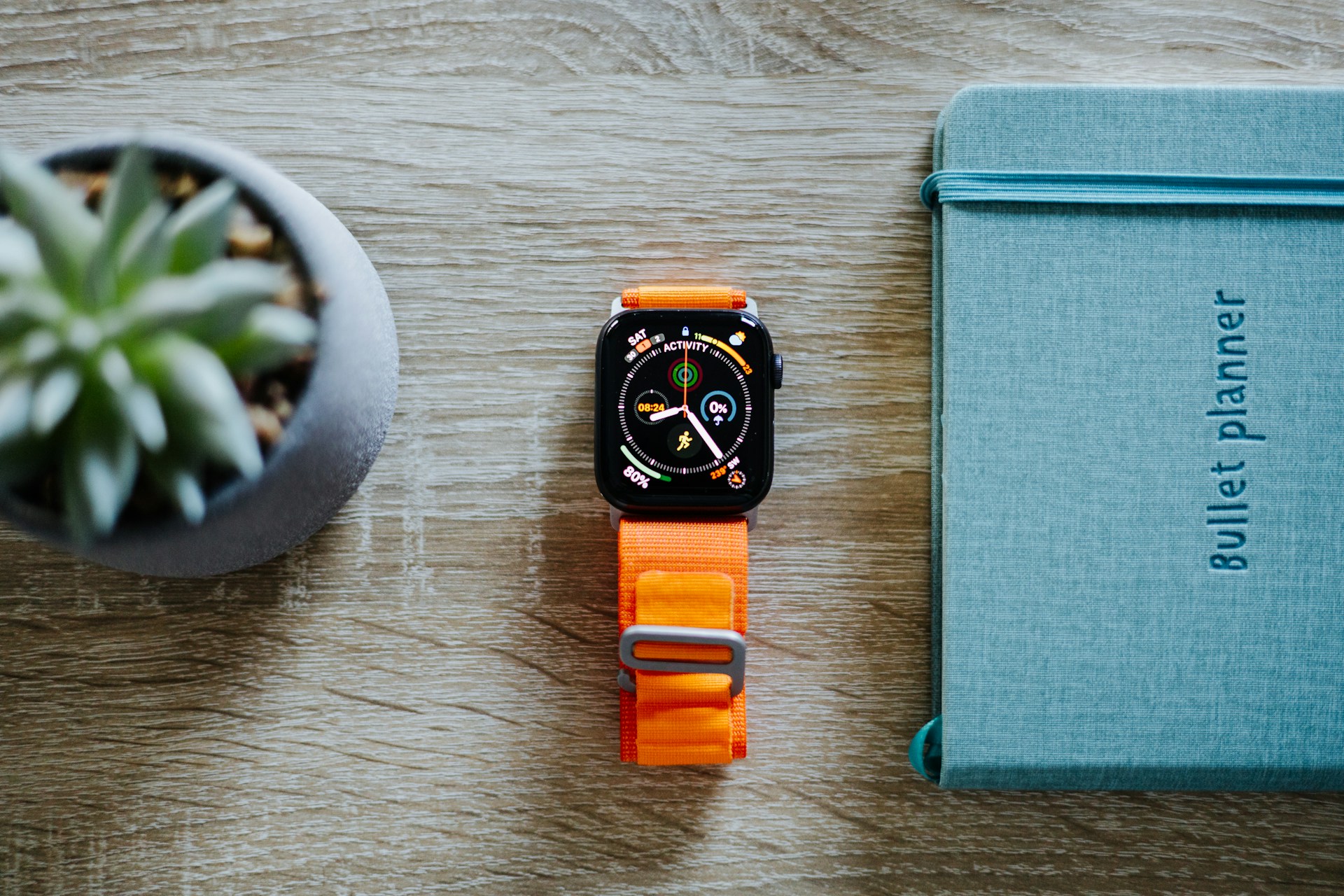
Apple is widely expected to include a microLED display in the Apple Watch Ultra, but a new report from Korea claims that the company may not have the supply chain ready in time to launch the device in 2026.
MicroLED Apple Watch Ultra Could Be Delayed Due to Supply Chain Issues
Last year, Taiwanese research firm TrendForce anticipated that the device would be released in 2026. That is later than several other publications, which have focused on 2025.
However, according to The Elec, high manufacturing costs and production yields remain the most significant impediments to mass production of the microLED Apple Watch Ultra, perhaps delaying its arrival beyond 2026.
Apple has apparently been developing unique microLED display technology for nearly a decade. The upgraded display delivers better brightness, color reproduction, dynamic range, viewing angles, and efficiency, making images look more like they are "painted" above the display glass.
The present Apple Watch Ultra has a display size of 1.93 inches, while the forthcoming microLED variant is rumored to have a 2.12-inch screen. Apple's concern is that the expense of producing a panel with such a high pixel density is still deemed prohibitively expensive for a gadget that now costs $799.
According to the article, simulation yields indicate that a 2.12-inch panel might cost up to $150, four times the cost of making the current OLED display ($38). Consumer sales of items with a panel price of $150 often total roughly $1,500.
For example, $150 is more expensive than making the OLED panels for the 6.1-inch and 6.7-inch iPhone 15, which cost $80 and $120, respectively. In terms of panel cost, the microLED Apple Watch Ultra is currently more expensive than Apple's most premium iPhones. According to today's article, the problem is so serious that releasing the device in 2027 may be unduly optimistic.
Apple's MicroLED Vision: A Bold Leap Towards Self-Reliance and Display Innovation
Apple is believed to be planning to replace all of its existing LCD, OLED, and mini-LED panels with microLED in the long run, with the technology being scaled up from the Apple Watch to the iPhone, iPad, Mac, and Vision Pro headset, as per MacRumors.
The effort is part of Apple's strategy to lessen reliance on Samsung as a supplier while reaping the benefits of developing its own displays in-house. However, until the company can get its component supply chain in order, microLED usage may remain a long way off.
Photo: Ricardo Resende/Unsplash







