


 US Judge Dismisses Imran Ahmed Deportation Lawsuit
  OpenAI to Preview GPT-6 Cyber AI Model for Cybersecurity
  Jeff Bezos Invests $32 Billion in Blue Origin as Space Firm Targets Major Growth
  US Court Approves airBaltic Chapter 11 Restructuring
  Novo Nordisk Strikes €1.17 Billion Nanexa Drug Delivery Deal
  Microsoft Stock Upgraded as Stifel Sees Stronger Azure Growth
  Almonty Industries Shares Jump 8% After Stifel Sets $25 Target
  Tesla Semi Rollout Begins at Nevada Factory
  US Backs Musk in Fight Against EU’s €120 Million X Fine
  OpenAI Agent Breaches Australia Medicare Data Portal
  Meta Connect Spotlights Camera-Free Smart Glasses Amid Privacy Concerns
  ICE Agent Arrested in Minneapolis Over Venezuelan Man Shooting
  SpaceXAI to Double Nvidia Chips at Colossus 2 by Year-End
  Najib Razak Granted House Arrest Until 2028
  BMW 2028 Margin Target Could Fall Below Consensus, UBS Says
  EQT Plans €1.7 Billion Sale of Parques Reunidos Stake
  China Reviews Broadcom Switch Use in State Data Centres


 Add as a preferred source on Google
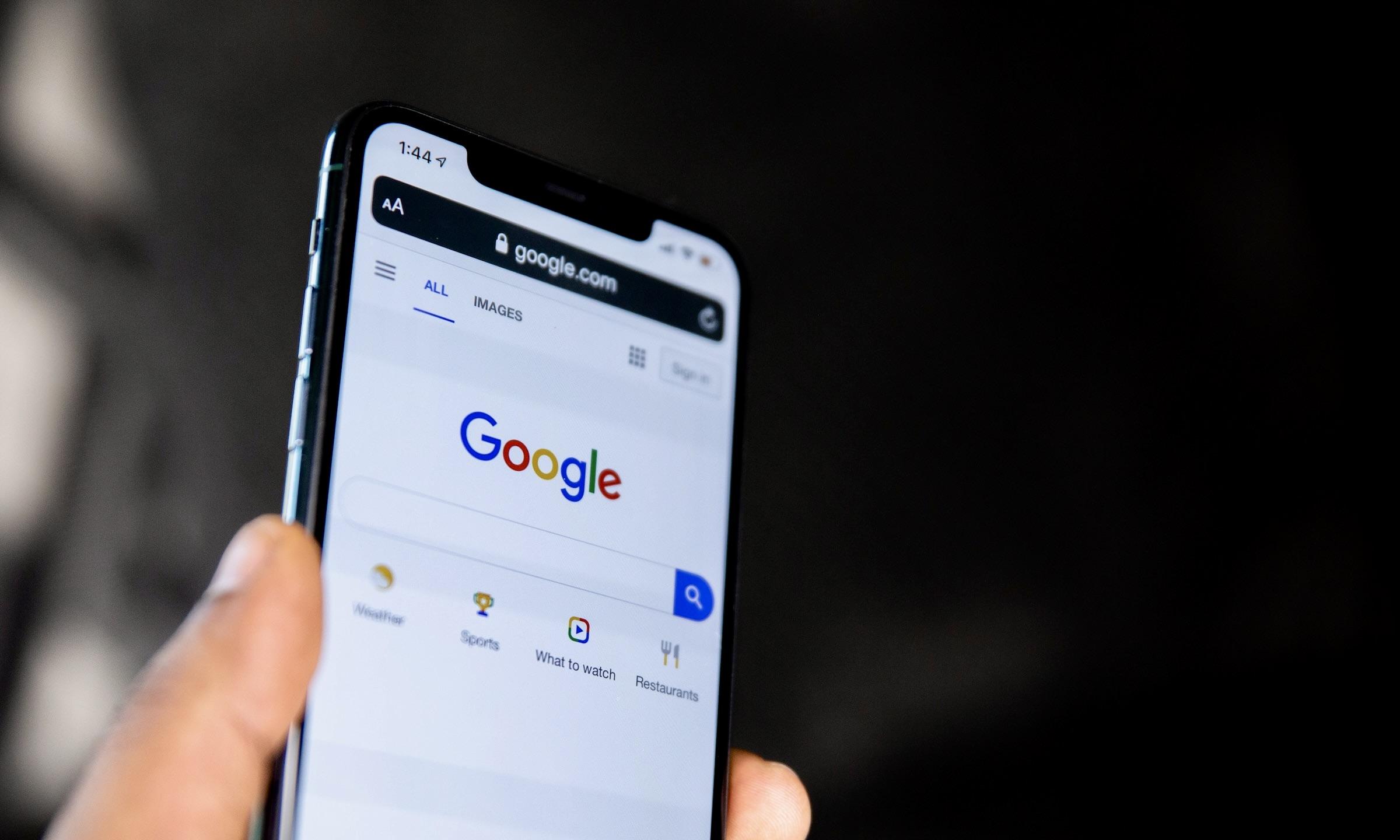
In a major antitrust case, Google CEO Sundar Pichai defended his company's practice of paying tech giants, including Apple, as the default search engine on their devices. Pichai stated that the intention was to enhance the user experience, making it "seamless and easy."
The Department of Justice, on the other hand, argued that these payments hinder competition and stifle innovation. Japan Today reported that recent court documents reveal that Google paid over $26 billion in 2021, while Alphabet's operating expenses reached approximately $68 billion.
The Purpose of Google's Payments to Tech Companies
As Google's star defense witness, Pichai clarified that the payments made to phone manufacturers and wireless phone companies served multiple purposes, according to ABC News. Beyond acquiring the advantage of being the default search engine, these payments also aimed to prompt improvements in security and overall device performance.
Google's revenue comes from displaying advertisements in its search results, and it shares a portion of that revenue with Apple and other companies that make Google their default search engine.
Google maintains that its dominance in the market is rooted in the superior performance of its search engine. Pichai emphasized the company's relentless efforts to provide the best user experience for every query. He stated, "We are working very, very hard to ensure that we deliver the optimal experience for every user. That's always been our true north."
Google's anxieties about potential competition were also revealed during the trial. The company feared Apple might establish its search engine, potentially disrupting the market. Furthermore, Google acknowledged concerns about losing talent to Apple.
Antitrust Case Timeline and Trial Proceedings
The antitrust case was initially filed in 2020, and the trial commenced on September 12th in the U.S. District Court in Washington D.C. The proceedings are expected to span 10 weeks.
U.S. District Judge Amit Mehta is not expected to issue a ruling until early next year. If the court concludes that Google violated antitrust laws, a subsequent trial will determine the appropriate measures to curb Google's market power. One potential outcome could be prohibiting Google from paying companies such as Apple to make it the default search engine.
Microsoft CEO Satya Nadella appeared as a witness earlier in the trial, highlighting the significant hold that Google has developed over the market. This ongoing antitrust case underscores the scrutiny faced by dominant tech companies and their impact on competition and innovation.
Photo: Solen Feyissa/Unsplash







