


 RBI Uses $10 Billion Currency Swaps to Drain Excess Rupee Liquidity
  Dollar Holds Near Two-Month High as Yen Approaches 160
  Russian Envoy Dmitriev Heads to US for Ukraine Talks
  Gold Prices Fall as Treasury Yields Rise on Fed Rate Hike Bets
  Wall Street Falls as Treasury Yields Surge, Oil Rebounds on Iran Tensions
  Wall Street Ends Flat as Oil, Treasury Yields and Fed Jitters Rattle Markets
  Japan Private-Sector Growth Slows as Domestic Demand Weakens
  Fed Unveils Stablecoin Rules Under GENIUS Act
  Soybean Futures Slip as Traders Await Trump-Xi Trade Signals
  European Stocks Fall as Bond Yields and Geopolitical Risks Weigh
  Japanese Bank Stocks Surge as Bond Yields Fuel Rate Hike Bets
  Trump, Xi Focus on Trade and AI at White House Summit
  Asian Stocks Fall as Surging Bond Yields Rattle Markets
  Australia Unemployment Hits Five-Year High Despite Strong Jobs Growth
  Gold Holds Near $4,275 as Rising Treasury Yields Fuel Fed Rate Hike Bets
  U.S. 10-Year Treasury Yield Hits 2007 High as Fed Rate Hike Bets Rise
  US, China Extend Trade Truce to Jan. 10 Ahead of Trump-Xi Summit


 Add as a preferred source on Google
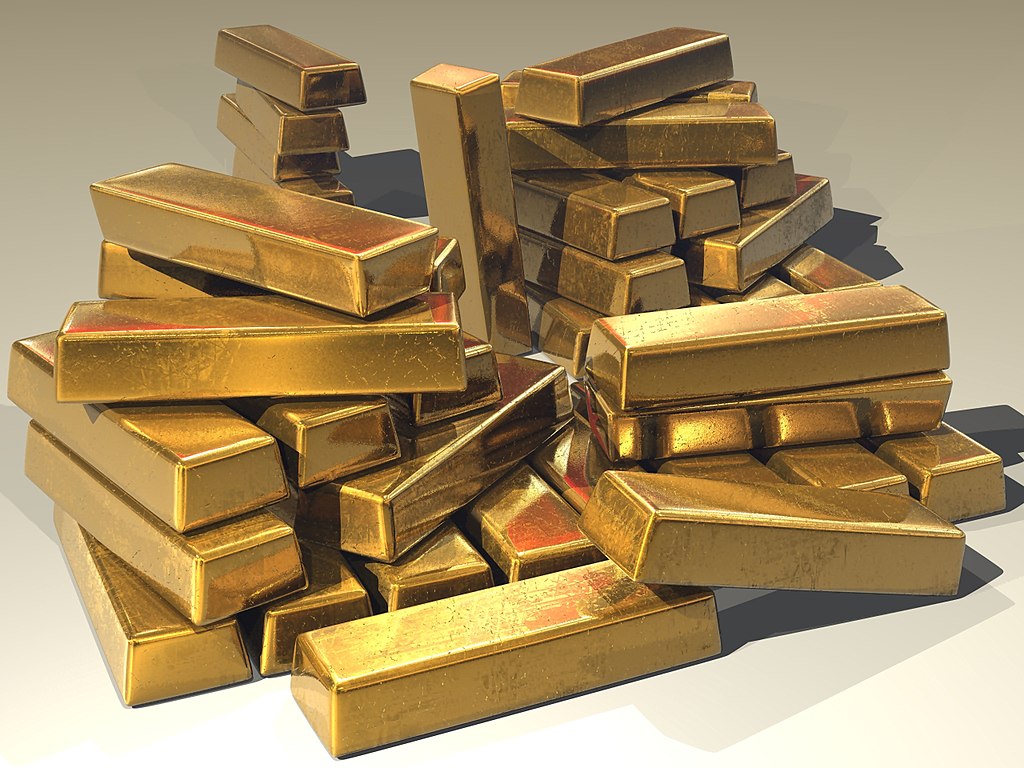
Gold prices declined sharply during Asian trading on Tuesday as rising oil prices and hawkish signals from the Bank of Japan (BOJ) heightened concerns about global inflation and interest rate policies. Spot gold fell by 1% to $4,633.29 per ounce, while gold futures dropped to $4,646.90/oz. Other precious metals followed suit, with silver plunging 3.2% to $75.1425/oz and platinum slipping 1.3% to $1,961.71/oz.
The decline in gold prices reflects growing market anxiety over inflation driven by the ongoing Iran conflict, which has pushed oil prices close to their 2022 highs. The BOJ’s latest policy decision played a key role in influencing market sentiment. Although the central bank kept its interest rates unchanged, it adopted a more hawkish stance by significantly raising its inflation forecast for fiscal 2026. Officials pointed to surging fuel and energy costs as major contributors to persistent inflation and hinted at potential future rate hikes.
This shift in tone from the BOJ has fueled speculation that other major central banks, including the U.S. Federal Reserve, may also maintain higher interest rates for longer. The Fed is expected to conclude its policy meeting soon, with markets widely anticipating no immediate rate changes. However, recent inflation data in the United States showed a notable increase in price pressures, reinforcing expectations of a cautious and possibly hawkish outlook.
The strengthening U.S. dollar has also added pressure on gold, making the non-yielding asset less attractive to investors. Higher interest rates typically reduce demand for gold, as investors turn to assets offering better returns.
Geopolitical tensions continue to weigh on markets, particularly the ongoing deadlock between the United States and Iran. Efforts to ease tensions, including proposals to reopen the Strait of Hormuz, have stalled due to disagreements over nuclear negotiations. The uncertainty surrounding these talks, combined with elevated oil prices, remains a significant driver of global market volatility and inflation concerns.
Overall, gold’s traditional role as a safe-haven asset is being challenged by rising interest rates and persistent inflation fears, leaving investors closely monitoring central bank actions and geopolitical developments.







