


 Trump, Xi Focus on Trade and AI at White House Summit
  Asian Stocks Fall as Bond Yields Surge Ahead of Trump-Xi Summit
  Canadian Dollar Faces Pressure as Fed-BoC Policy Gap Widens
  Wall Street Ends Flat as Oil, Treasury Yields and Fed Jitters Rattle Markets
  Japanese Bank Stocks Surge as Bond Yields Fuel Rate Hike Bets
  Dollar Falls as Oil Eases, Yen Jumps on Intervention Signals
  Soybean Futures Slip as Traders Await Trump-Xi Trade Signals
  Gold Prices Fall as Treasury Yields Rise on Fed Rate Hike Bets
  Oil Prices Fall on U.S.-Iran Hormuz Deal Hopes
  U.S. Dollar Hits Two-Month High as Oil, Treasury Yields Surge
  Asian Stocks Fall as Surging Bond Yields Rattle Markets
  Asian Currencies Mixed as Dollar Holds Near Two-Month High
  Oil Prices Jump 3% as Houthi Attack Revives Supply Fears
  Oil Prices Ease as Iran Tensions Clash With Diplomacy Hopes
  Fed’s Hammack Says Bond Yield Surge Is Not Driven by Inflation Fears
  Dollar Holds Near Two-Month High as Yen Approaches 160
  Japan Private-Sector Growth Slows as Domestic Demand Weakens


 Add as a preferred source on Google
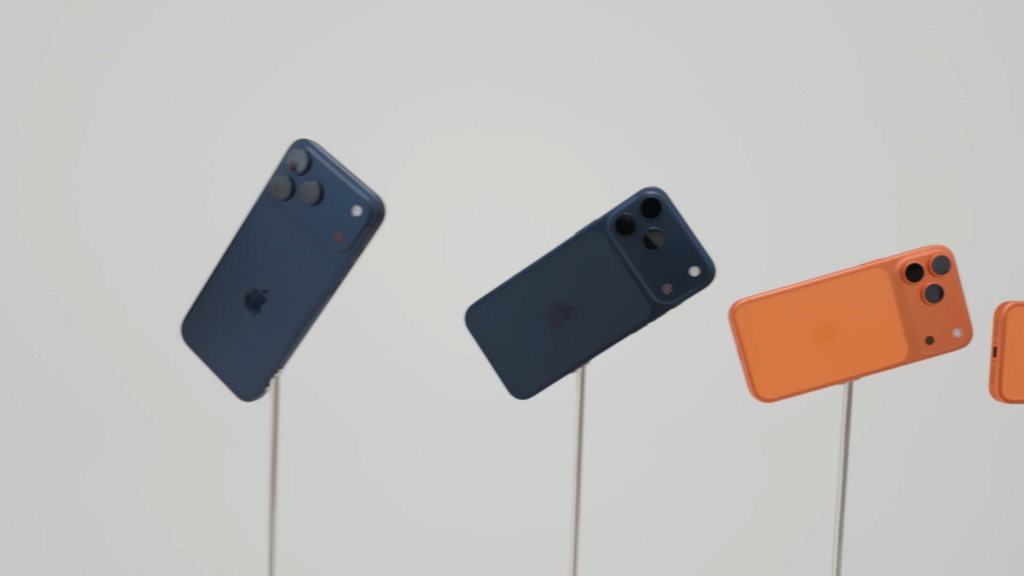
Global smartphone shipments recorded a modest 2% year-on-year increase in 2025, signaling a gradual recovery for the mobile industry, according to a report released by Counterpoint Research. The growth was largely fueled by stronger consumer demand and improving economic conditions in emerging markets, which helped offset softer performance in more mature regions. As inflationary pressures eased in parts of Asia, Africa, and Latin America, smartphone upgrades and first-time purchases contributed positively to overall shipment volumes.
Apple emerged as the clear market leader in 2025, capturing a 20% share among the world’s top five smartphone brands. The company benefited from solid demand across emerging and mid-sized markets, along with strong global sales of the iPhone 17 series. Counterpoint analyst Varun Mishra noted that Apple’s expanding retail presence, financing options, and ecosystem-driven loyalty played a key role in sustaining its leadership position throughout the year.
Samsung ranked second with a 19% market share, posting modest shipment growth despite intense competition and slower replacement cycles in developed markets. Xiaomi secured third place with a 13% share, supported by consistent demand in price-sensitive emerging markets where its value-focused smartphones remain highly competitive. Other manufacturers continued to rely heavily on emerging economies to drive volumes amid cautious consumer spending elsewhere.
The report also highlighted that several smartphone manufacturers increased shipments early in 2025 to mitigate the potential impact of tariffs. However, this front-loading strategy gradually lost momentum, and by the second half of the year, shipment volumes were largely unaffected by tariff-related concerns.
Looking ahead, Counterpoint Research warned that the global smartphone market could face renewed pressure in 2026. Research director Tarun Pathak pointed to potential chip shortages and rising component costs as major risks, as semiconductor manufacturers increasingly prioritize AI data centers over smartphone production. This shift could constrain supply, increase prices, and dampen overall smartphone demand next year, potentially slowing the industry’s recovery trajectory.







