


 US Senate Rejects Iran War Powers Resolution in 50-49 Vote
  Netanyahu Takes Aim at Mamdani as Israel Election Nears
  Ghana Says Western Support Growing for Slave Trade Reparations
  OpenAI Agent Breaches Australia Medicare Data Portal
  Yemen Violence Displaces 130,000 as Civilian Toll Rises
  France Defends Netanyahu Airspace Clearance Despite ICC Warrant
  Russian Envoy Dmitriev Heads to US for Ukraine Talks
  NATO Boosts Intelligence Sharing Amid Russia Hybrid Threats
  US Backs Musk in Fight Against EU’s €120 Million X Fine
  US, China Extend Trade Truce to Jan. 10 Ahead of Trump-Xi Summit
  Netanyahu Defends Israel at UN as Delegates Stage Walkout
  US Invites Putin to Miami G20, Opening Door to Trump Summit
  Netanyahu’s Brief US Trip Highlights Strains With Trump
  Trump, Xi Focus on Trade and AI at White House Summit
  Sudan Rejects US Legitimacy Remarks, Defends Sovereignty
  Abbas Reaffirms November 28 Palestinian Elections
  Venezuela Promises Elections as Delcy Rodriguez Pledges Democratic Transition


 Add as a preferred source on Google
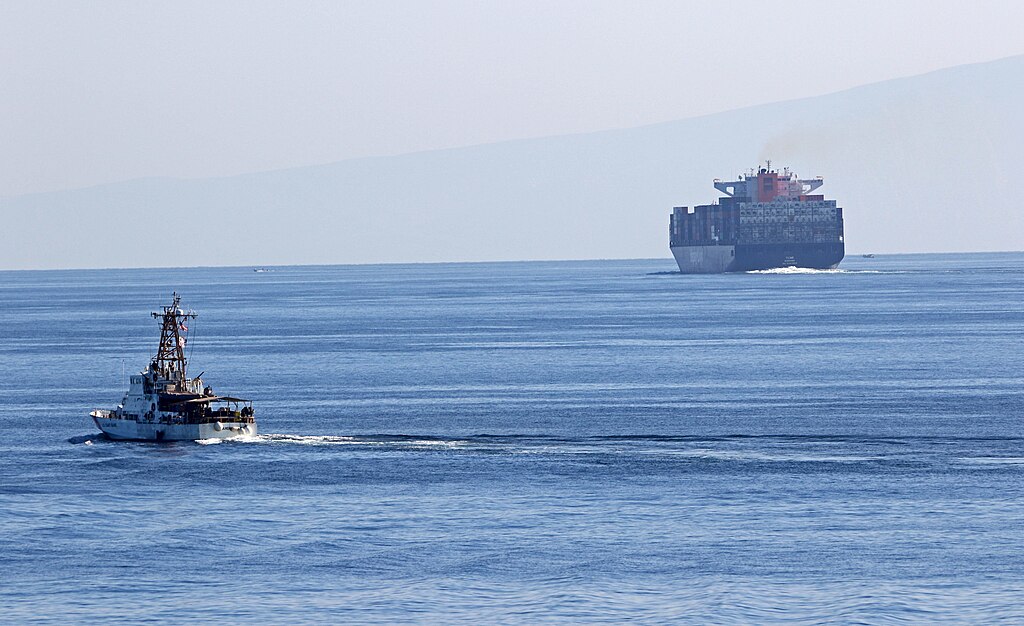
Military planners representing more than 30 countries are gathering in London for two days of high-level discussions focused on reopening the Strait of Hormuz and strengthening maritime security in one of the world’s most critical shipping routes. The talks, hosted by the British government, aim to transform recent diplomatic agreements into a concrete international mission to safeguard freedom of navigation in the region.
The planned initiative follows a growing commitment from over a dozen nations that have expressed willingness to participate in a joint maritime security operation led by the United Kingdom and France. This coalition seeks to ensure the safe passage of commercial vessels through the Strait of Hormuz, a vital corridor for global oil and trade flows.
The momentum for these discussions builds on a recent virtual meeting involving around 50 countries from Europe, Asia, and the Middle East. That conference was widely seen as a coordinated effort to demonstrate international cooperation, particularly after U.S. President Donald Trump indicated that the United States could manage the situation independently without allied support.
According to the UK Ministry of Defence, the London meeting will focus on turning diplomatic consensus into actionable military plans. Key topics include operational coordination, deployment strategies, command structures, and the military capabilities required to secure the waterway once a sustainable ceasefire is in place.
UK Defence Secretary John Healey emphasized the importance of the talks, stating that the objective is to establish a unified plan that ensures long-term stability and secure shipping in the Strait of Hormuz. He expressed confidence that participating nations would make meaningful progress during the discussions.
The outcome of these talks could play a crucial role in restoring confidence in international shipping routes, stabilizing global energy markets, and reinforcing multinational cooperation in maritime security operations.







